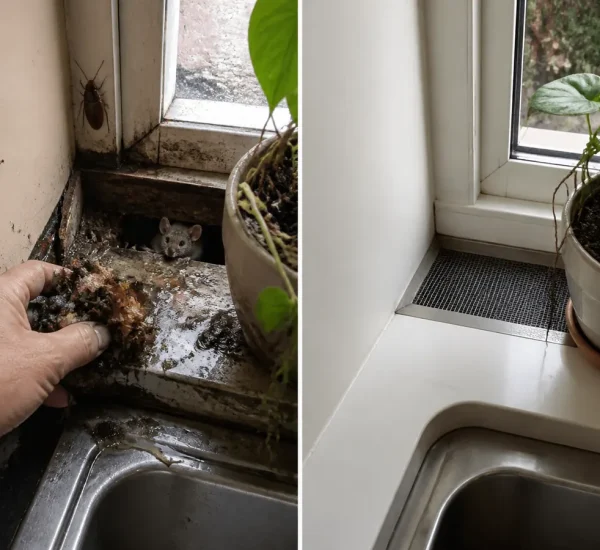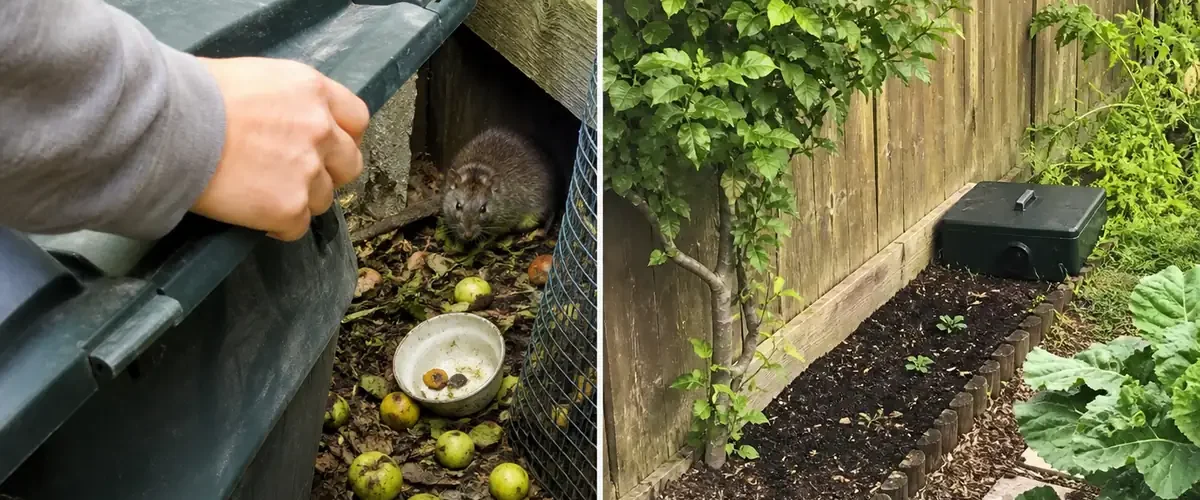
A small plot becomes far less inviting when every midnight meal, drink, and hiding edge closes on the same day.
The article This Unusual Bathroom Product Scares Rats Away From the Garden suggests smearing menthol toothpaste on cardboard as a intruder repellent or mixing toothpaste, flour, sugar, peanuts, and baking powder into homemade lethal bait. The appealing claim is that one bathroom product can scare rodents from a plot, while a sweet homemade mixture can eliminate those that remain.
Keep the Compact Promise Honest: Turn the Bathroom Trick Into a Garden Shutdown
Toothpaste odor is not a reliable barrier, and homemade poison bait can injure children, pets, wildlife, and unintended animals while leaving no safe dose or label. Plot intruder control works by removing meals, water, and shelter, securing compost and feed, closing building entries, monitoring routes, and using protected mechanical traps or registered products according to local rules.
For one contained job, aim for a formerly active compost-and-shed edge with sealed meals sources, cleared shelter, and no fresh intruder prints or signs across repeated checks. Keep the compost and shed boundary clear enough to see the zero fresh track and signs count without another shortcut in the way.
Let Every Item Earn Its Place: Why Attraction Control Outlasts a Minty Odor
The compact zero fresh track and signs count setup works for a clear reason. Rodents return where calories, water, cover, and travel routes remain dependable. A new odor may briefly change behavior, but hunger and shelter often outweigh it. Sanitation lowers the reward, exclusion removes access, and protected traps target active corridors while reducing contact with children, pets, and wildlife.
The compact routine works by locking feed and waste, securing compost, removing fallen produce and dense shelter, fixing gaps, using protected traps lawfully, and calling a professional for persistent activity. Every unused ingredient can leave the compost and shed boundary while that cause stays easy to see.
Clear and Read One Work Area: Map Fresh Rat Signs Around Food, Water, and Shelter
Small-area review: at first light, map fresh signs, prints, gnawing, burrows, grease marks, damaged produce, spilled seed, pet meals, water, dense ground cover, open compost, and shed gaps. Distinguish active sign from old dry evidence. Keep people and animals away from contaminated areas until cleanup is planned.
Clear loose bottles and tools from the compost and shed boundary. Keep only the active plot intruder corridor item. Set out a clean zero fresh track and signs count measure when needed. Keep the active plot intruder corridor anchor visible.
Leave Four Problems Outside: Four Rodent Reactions That Put Others at Risk
- Smearing toothpaste outdoors. Rain and time clear away the odor while the meals and shelter remain.
- Mixing homemade lethal bait. An unregistered recipe creates unpredictable poisoning risk for people and non-target animals.
- Using an exposed snap trap. Children, pets, birds, and other wildlife can reach an unprotected device.
- Closing a burrow without monitoring. Rodents may open another path or become trapped near a structure if the full system is ignored.
Complete the Small-Space Sequence: Remove the Four Rewards That Keep Rats Returning
- Draw the rat corridor
- Link burrows, fence lines, compost, water, damaged crops, and shed gaps on one simple plot map.
- Remove every easy meal
- Collect fallen produce, stop overnight pet feeding, clean birdseed spills, and close garbage and feed containers.
- Rebuild the compost boundary
- Use a secure rodent-resistant bin, exclude meat and oily foods, and cover fresh plant scraps within the system.
- Open the hiding edge
- Thin dense weeds, move clutter, raise stored materials, and close safe structural gaps with durable materials.
- Control the active route
- When appropriate and lawful, place snap traps inside locked tamper-resistant boxes along confirmed travel edges.
- Escalate persistent activity
- Ask a licensed pest professional to identify the species, inaccessible nest, and legal control options.
Plan One Simple Return Check: Demand Repeated Clean Zones Before Declaring Success
Waiting plan: meals and water can be secured the first day, but rodents already using the path may need a sustained trapping or professional program. Check monitoring patches or cameras daily at first. Several clean checks after normal plot activity are stronger than one quiet night or the disappearance of toothpaste scent.
Leave the compost and shed boundary simple while waiting. Review its zero fresh track and signs count once at the planned active plot intruder corridor time. Because that zero fresh track and signs count finish is not instant, resist another active plot intruder corridor shortcut.
Compact proof: Create four numbered monitoring zones and smooth a small non-toxic tracking patch or use a camera where appropriate. Note fresh prints, signs, gnawing, and trap activity each morning. A shutdown is supported when every zone stays clean through repeated checks and meals containers remain untouched.
Close the Job Cleanly: Protect People, Pets, Wildlife, and Contaminated Soil
Compact cleanup: never make or place homemade poison bait. Follow local law and every pesticide or trap instruction, use locked tamper-resistant stations where required, and keep children, pets, and wildlife away. Wear gloves for contaminated areas, follow public-health cleanup guidance, and do not sweep dry signs. Contact a licensed professional when rodents enter buildings, activity is extensive, or safe placement is uncertain.
Lock the station, close the compost lid, wash the gloves, and leave the small plot with no overnight meals exposed.
Let Never Expect This Common Bathroom Product to Repel Garden Rats Become the Active Garden Rat Corridor Win That Stays
Begin by mapping meals, water, shelter, and fresh signs before placing any control. Keep the compost and shed boundary uncluttered and aim for a formerly active compost-and-shed edge with sealed meals sources, cleared shelter, and no fresh intruder prints or signs across repeated checks. That practical zero fresh track and signs count finish leaves one active plot intruder corridor routine small enough to repeat.