One dim corner and one soggy saucer can hide the bloom potential inside an otherwise strong window lily.
The article Stimulate Spathiphyllum Growth for a Healthy Plant Full of Flowers suggests watering a window lily with milk every week or monthly onion-skin and coffee mixtures to accelerate flowering. The appealing claim is that kitchen liquids can make a window lily grow faster and cover itself with fragrant white blooms.
Keep the Compact Promise Honest: Keep the White-Flower Promise and Remove the Kitchen Brew
Milk, coffee grounds, and onion water do not form a complete predictable fertilizer. In a damp indoor container they can sour, grow mold, attract pests, or change the root zone. A mature window lily blooms when it receives useful filtered light, even moisture with drainage, enough root space, and measured complete nutrition during active growth.
For one contained job, aim for a once-static window lily holding glossy upright foliage and several believable white spathes above the green blades. Keep the bright indoor plant corner clear enough to see the new white flower spathe without another shortcut in the way.
Complete the Small-Space Sequence: Carry the Peace Lily Toward Its Next Flower Stalk
Opening move 1: Map the useful window light
Watch the plant through one day and move it gradually toward bright filtered exposure without hot direct sun.
Opening move 2: Read moisture below the surface
Check deeper mix and container weight before watering instead of keeping the upper layer constantly wet.
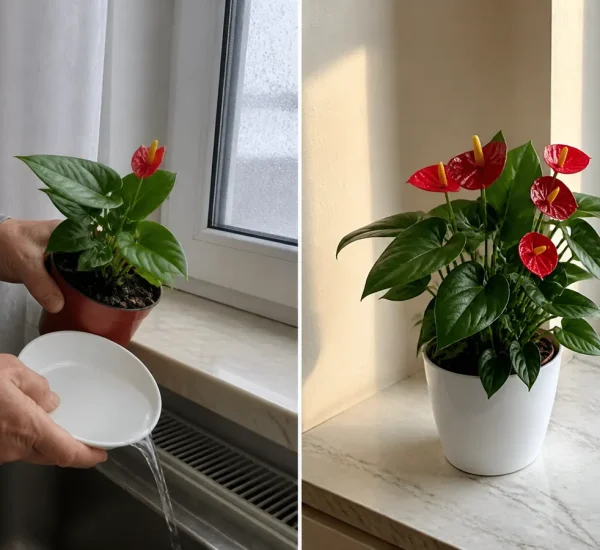
- Water fully and empty runoff. Soak the root ball evenly, let every drainage hole finish, and clear the saucer.
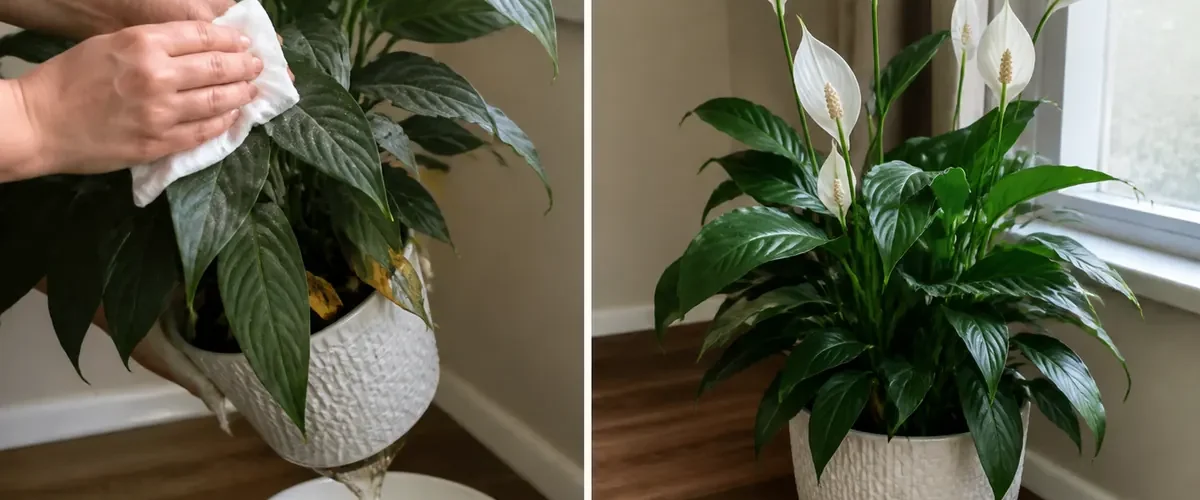
- Clean leaves without a food film. Support each blade and wipe dust with a soft damp cloth rather than milk or oily shine products.
- Feed active growth by label. Use a complete houseplant fertilizer conservatively during the growing season and pause when growth slows.
- Hold the bloom conditions steady. Avoid frequent moves and follow the newest leaf and flower stalk before changing another variable.
Clear and Read One Work Area: Read Maturity, Window Light, Moisture, and Root Space
Small-area review: confirm plant maturity, daily filtered light, distance from a window, container drainage, root crowding, mix moisture below the surface, salt crust, leaf dust, pest signs, recent repotting, and fertilizer history. A very young division or deeply shaded plant may remain healthy without blooming yet.
Clear loose bottles and tools from the bright indoor plant corner. Keep only the mature window lily item. Set out a clean new white flower spathe measure when needed. Keep the mature window lily anchor visible.
Let Every Item Earn Its Place: Why Light and Root Oxygen Build the Real Bloom
The compact new white flower spathe setup works for a clear reason. Window lily green blades capture energy from light, while rootlets need moisture and oxygen together. Constant saturation blocks air, and heavy shade limits the carbohydrates available for blooms. Complete fertilizer supplies nutrients in known proportions. Milk and coffee cannot replace the light-root-nutrition system that builds a spathe.
The compact routine works by moving the plant gradually into brighter filtered light, watering thoroughly near the point of slight drying, draining the saucer, repotting only when rootlets demand it, cleaning green blades gently. And using a complete houseplant fertilizer at the labeled seasonal rate. Every unused ingredient can leave the bright indoor plant corner while that cause stays easy to see.
Leave Four Problems Outside: Four Indoor Habits That Quietly Cancel Flowering
- Keeping the pot permanently wet. Window lily moisture needs do not clear away the rootlets’ need for air.
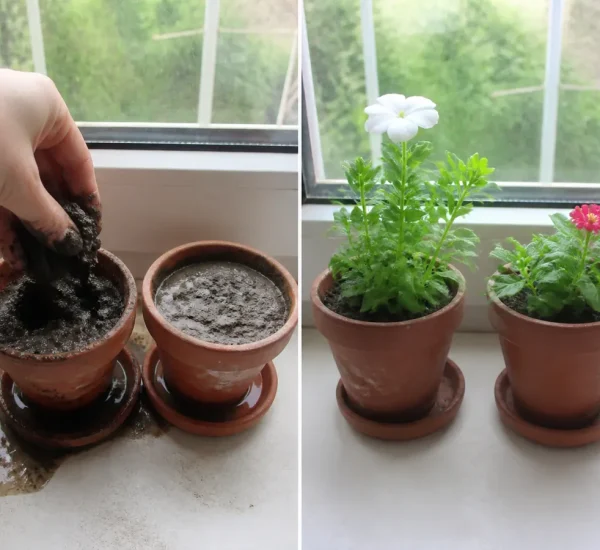
- Pouring milk around indoor roots. Food residue can sour and support mold or fungus gnats.
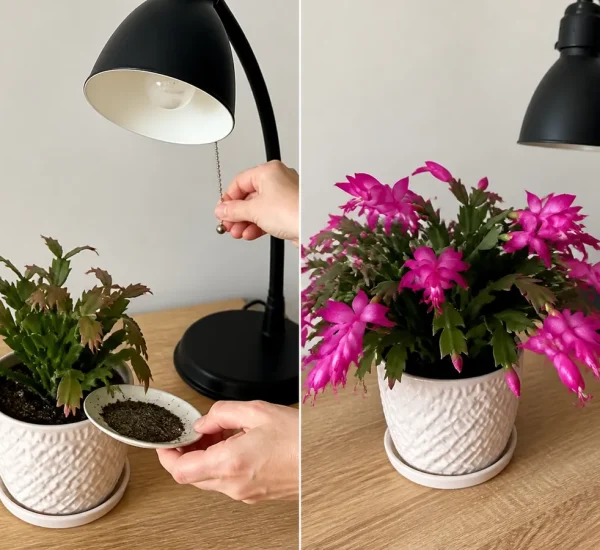
- Adding coffee without a soil need. Grounds do not provide balanced instant nutrition and can compact a small container.
- Expecting a young division to flower. A plant must reach enough maturity and stored energy before producing spathes.
Plan One Simple Return Check: Count New Leaves Before Expecting White Spathes
Waiting plan: dust removal and a correct watering rhythm improve appearance quickly, but new green blades take weeks. A mature plant may form blooms during its active season after light and nutrition improve. Existing yellow tissue will not turn green, and a newly divided or root-damaged plant may need a longer rebuilding cycle.
Leave the bright indoor plant corner simple while waiting. Review its new white flower spathe once at the planned mature window lily time. Because that new white flower spathe finish is not instant, resist another mature window lily shortcut.
Compact proof: Mark the newest leaf and photograph the crown weekly from one position. Note container weight before watering and count new green blades, emerging stalks, open spathes, and yellow green blades separately. The reset succeeds when new growth and blooms appear without sour odor, gnats, salt burn, or constant wilting.
Close the Job Cleanly: Protect Pets, Skin, Floors, and the Root Zone
Compact cleanup: peace lilies contain irritating calcium oxalate crystals and should be kept away from children and pets that may chew them. Wear gloves if sap irritates your skin, wash hands after pruning, and follow fertilizer labels. Isolate pest-infested plants and wipe spilled water immediately to prevent slips and furniture damage.
Dry the saucer, store plant food, wipe the shelf, and leave one uncluttered window lily in steady filtered light.
Let One Secret Turns Spathiphyllum Into a Lush Flowering Showpiece Become the Mature Peace Lily Win That Stays
Begin by reading light and root moisture before pouring milk or coffee into the container. Keep the bright indoor plant corner uncluttered and aim for a once-static window lily holding glossy upright foliage and several believable white spathes above the green blades. That practical new white flower spathe finish green blades one mature window lily routine small enough to repeat.