Winter is the ideal time to prune your fruit trees, as they enter a dormant phase. Proper pruning during this period helps trees pass through the colder months without facing health problems, and it can promote better growth for the upcoming season. If you’re wondering which branches to remove, here’s a step-by-step guide to identify the right ones for winter pruning.

Prepare for Pruning
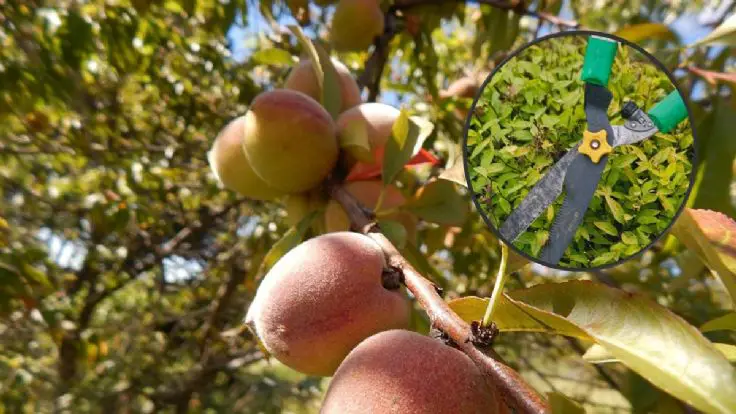
Before starting your pruning, make sure you have all the necessary tools ready. This includes disinfecting your pruning shears, saws, machetes, knives, and scissors. Additionally, always wear safety gear, including gloves, protective clothing, and safety glasses to prevent accidents.
Why Prune Fruit Trees?
The goal of pruning is to remove branches and elements that the tree won’t need during the next season, whether it’s for production or dormancy. By doing so, you help the tree redirect its energy to the most important branches. In particular, removing dried-out or non-productive branches allows the tree to focus its resources on the healthy parts. This is especially crucial for fruit trees, as it ensures that energy is directed toward the branches that will produce fruit.
What to Remove from Your Fruit Tree
Here’s a list of the branches and parts you should consider removing during your winter pruning:
- Suckers: These grow diagonally or upwards from the inside of the tree and absorb nutrients meant for the productive branches.
- Vertical branches: These branches often grow in a way that disrupts the tree’s balance and can interfere with the proper distribution of nutrients.
- Dry branches and leaves: These are no longer functioning and can also pose a risk to the health of the tree.
- Low-growing branches on the trunk: These branches tend to grow too close to the ground, potentially damaging the tree and affecting air circulation.
How to Identify and Remove Suckers

Suckers are branches that grow diagonally or upwards from the inside of the tree. They are known for “sucking” up nutrients that could otherwise go to the productive branches. It is essential to identify these suckers correctly before cutting them off. Be careful not to remove branches that could be necessary for fruit production.
Shape Your Tree’s Crown
When pruning, it is also important to shape the tree’s crown to promote balanced growth. This ensures that the tree grows evenly, preventing future problems related to the size of the tree or the weight of the fruit. By removing low and young branches, you help the tree direct nutrients to the upper branches, where the fruit will form.
Conclusion
Pruning your fruit trees correctly in winter not only helps the tree survive the cold season but also promotes healthy growth and better fruit production in the future. By removing non-productive branches, suckers, and other unnecessary growth, you ensure that your tree can focus its energy on producing the best fruit possible. Always remember to use clean, sharp tools and take safety precautions when working with your trees.