Make the final pass once. One yellowing container deserves a diagnosis before every bloom on a small patio receives the same white crystals.
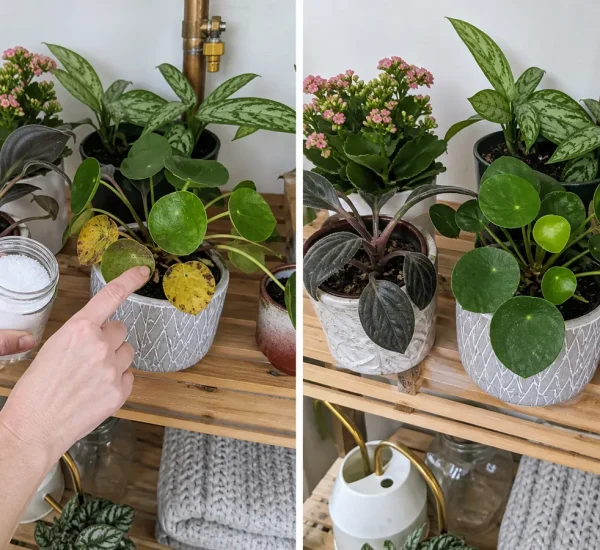
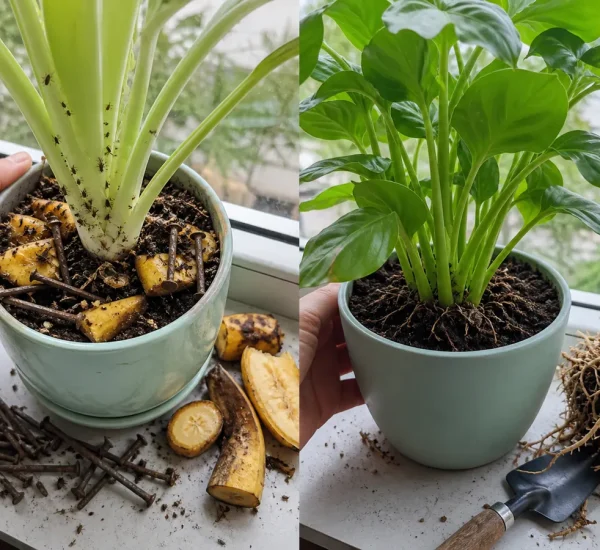
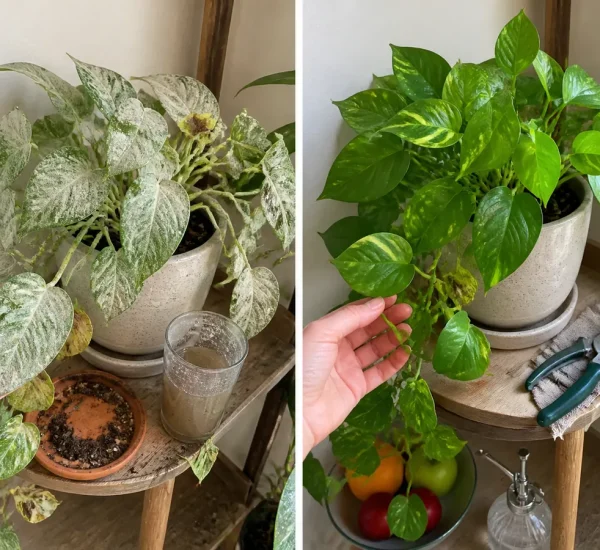
Leave the work area open. The article One Teaspoon of Homemade Fertilizer Keeps Flowers Blooming for Weeks suggests using one teaspoon of magnesium sulfate on blooms, seedlings, vegetables, lawns, and fruit trees as fertilizer and pest control. The appealing claim is that one universal dose improves nutrient uptake, rootlets, germination, pests, flavor, vigor, and weeks of blooms.
Keep the Compact Promise Honest: Keep the Greener Bloom and Require Magnesium Evidence First
Put every tool away afterward. magnesium sulfate supplies magnesium and sulfur, not complete fertilizer or dependable pest control. It helps only when a plant can use those elements and a real shortage exists. Pale leaves also come from wet rootlets, drought, pH, disease, pests, age, or missing nutrients. Unneeded magnesium sulfate adds soluble salts and may disturb calcium or potassium uptake.
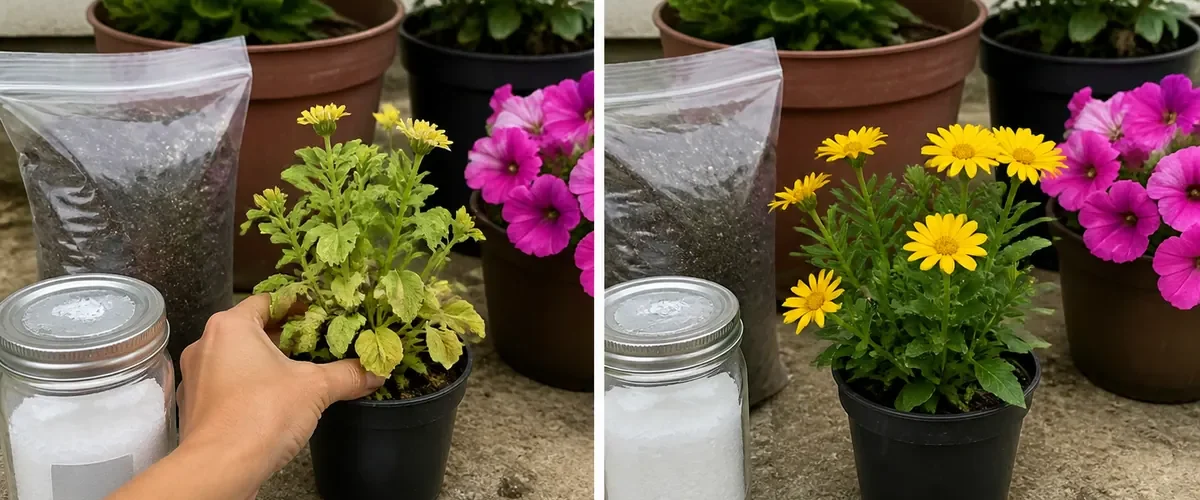
Keep one item in view. For one contained job, aim for one correctly diagnosed flowering plant producing healthy green new leaves and a stronger normal bloom cycle without salt crust or root burn. Keep the small bloom-container test bench clear enough to see the green color in new leaves after correction without another shortcut in the way.
Clear and Read One Work Area: Separate Deficiency, Root Stress, pH, Pests, and Leaf Age
Clear the nearby shelf. Small-area review: identify species, leaf age, vein pattern, root health, drainage, irrigation water, pH, complete fertilizer history, light, temperature, pests, and disease. Compare older interveinal yellowing with uniform yellowing or new-leaf symptoms. Use a reliable soil, media, or tissue test where available before deciding that magnesium is short.
Leave Four Problems Outside: Four Epsom-Salt Uses That Distort the Diagnosis
- Treating every yellow leaf. Different nutrient, root, pest, and aging patterns can look similar from across the room.
- Dropping crystals in planting holes. Concentrated salt can touch young rootlets and does not create complete nutrition.
- Spraying as pest control. magnesium sulfate is not a substitute for identifying and controlling a real pest.
- Changing five inputs together. A greener plant cannot prove which fertilizer, water, light, or temperature change mattered.
Complete the Small-Space Sequence: Run One Measured Dose Against a Matched Flower Pot
Opening move 1: Map the yellow-leaf pattern
Place only the essentials nearby. Record whether symptoms begin on old or new leaves and whether veins remain greener than surrounding tissue.
Opening move 2: Rule out root and light stress
Return at the planned time. Inspect drainage, moisture, pH, pests, disease, and exposure before adding another soluble salt.
- Confirm magnesium evidence. Use a credible test or local diagnostic guidance instead of treating every yellow plant alike.
- Select one comparison pot. Match species, size, soil, light, and watering so the response can be interpreted.
- Apply a justified measured rate. Follow a product label or local recommendation on already moist rootlets and avoid dry crystals against tissue.
- Judge only clean new growth. Track fresh leaves and the next bloom cycle, then stop if no supported response appears.
Plan One Simple Return Check: Read New Leaves Before Crediting the Next Flower Wave
Use one uncluttered corner. Waiting plan: existing yellow tissue may not become fully green. A justified correction should be judged in fresh growth over several weeks, while blooms already open cannot prove the dose. Stop repeating when no measured response appears. Root burn, crust, or worsening leaf edges means the trial has failed even if old blooms remain attractive.
Finish the small task cleanly. Compact proof: Photograph the same old and new leaves in fixed light, mark the growing tip, and record test finish, dose, runoff, watering, fertilizer, new-leaf color, buds, and injury. Compare with an untreated matched container. Credit magnesium only when the diagnosed plant improves beyond the reference without new crust or burn.
Let Every Item Earn Its Place: Why Magnesium Helps Only When the Plant Is Missing It
Keep the setup small. The compact green color in new leaves after correction setup works for a clear reason. Magnesium sits at the center of chlorophyll and sulfur supports plant proteins, but plants need many other elements. A teaspoon cannot diagnose its own need. Root-zone pH and existing nutrient levels govern uptake, while excess salts pull water and change nutrient competition. Evidence turns a popular ingredient into a precise correction.
Stay with this short routine. The compact routine works by correcting water, drainage, pH, or light first when they explain symptoms, choosing one confirmed deficient plant, applying only a locally recommended or labeled magnesium rate to moist rootlets, keeping complete nutrition steady, and comparing fresh growth with a similar untreated plant. Every unused ingredient can leave the small bloom-container test bench while that cause stays easy to see.
Close the Job Cleanly: Control Dust, Labels, Runoff, Mixing, and Container Salts
Use one simple check. Compact cleanup: keep magnesium sulfate labeled for its intended use and separate from food containers, children, and pets. Avoid dust and eye contact, wash hands, prevent runoff into drains or waterways, and never mix garden products unless labels allow it. Follow local soil-test and fertilizer guidance, especially in containers where salts accumulate quickly.
Make the final pass once. Cap the salt, wipe the bench, empty the saucer, and leave the single test container easy to compare.
Let Test One Yellowing Flower Pot and Bring Healthy Blooms Back Become the Yellowing Flowering Plant Win That Stays
Leave the work area open. Begin by testing the growing medium and matching the yellow-leaf pattern before opening magnesium sulfate. Keep the small bloom-container test bench uncluttered and aim for one correctly diagnosed flowering plant producing healthy green new leaves and a stronger normal bloom cycle without salt crust or root burn. That practical green color in new leaves after correction finish leaves one yellowing flowering plant routine small enough to repeat.