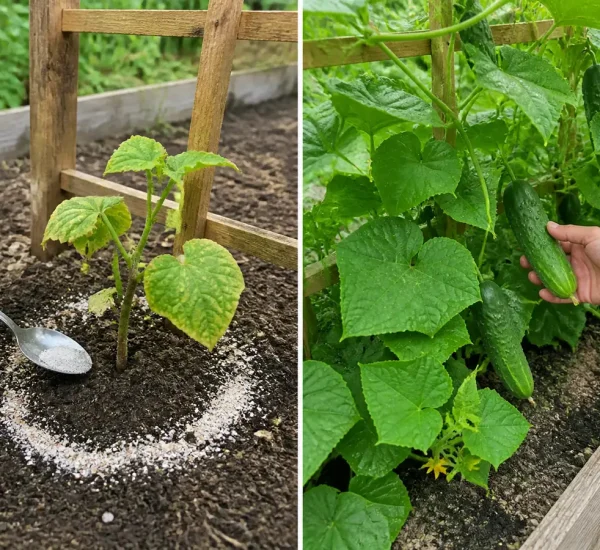
The recipe sounds scientific: mix dry yeast and baking soda into water, dilute it, and pour it over tomatoes and cucumbers several times a month. The promised result is faster growth, fewer diseases, and more fruit. Unfortunately, a foaming jar can look active without being useful to a plant.
If your vegetables are struggling, use a garden reset instead. Remove risky guesswork, return to plain water, inspect the growing conditions, and rebuild a simple feeding plan. This approach protects roots while giving plants a real chance to regain strong color and growth.
Why Foaming Does Not Prove It Is Fertilizer
Yeast produces bubbles as it becomes active and feeds on carbohydrates. Those bubbles do not show that nitrogen, phosphorus, potassium, and minerals are present in the proportions a plant needs. A homemade fermentation can change quickly with temperature, ingredients, and time, so its strength is unpredictable.
Baking soda brings a second concern. It is sodium bicarbonate, and sodium is not a harmless soil booster. Repeated applications can make it harder for roots to take up water and can cause soil particles to lose their healthy structure.
Some carefully tested gardening products or research treatments may contain yeast extracts or bicarbonates for a specific purpose. That does not validate every kitchen recipe. The concentration, target, and application method matter.
Step 1: Stop Adding Mystery Mixtures
Pause yeast, baking soda, sugar water, vinegar, and any other homemade blend. Do not combine them in the hope that one will cancel another. Chemical reactions can change pH or create salts while leaving the original plant problem untouched.
For garden beds, return to normal irrigation and allow time. For a container that shows a white crust and has excellent drainage, slowly running plain water through the mix can wash out some salts. Let excess water escape completely and never leave the pot standing in runoff.
Step 2: Read the Plant’s Clues
Check sunlight first. Tomatoes and cucumbers usually need a bright location with at least six hours of direct sun. Next, feel the soil several inches from the stem. A dry surface with moist soil below may not need water yet, while a small pot can be dry throughout.
Study where symptoms begin. Old leaves naturally age, but widespread yellowing, dark spots, curling tips, or chewed edges can point in different directions. Examine leaf undersides for pests and look at the stem near the soil.
If several plants decline together, consider recent weather, herbicide drift, overwatering, or a shared fertilizer application. A local extension office can help diagnose a clear photo or soil result.
Step 3: Restore the Root Zone
Top-dress established plants with a thin layer of mature compost, keeping it away from stems. Compost helps the surface resist crusting, supports soil organisms, and releases nutrients gradually. Cover it with loose straw or shredded leaves to slow evaporation.
Do not dig deeply around mature tomatoes or cucumbers. Their roots spread near the surface and are easy to cut. Gently scratch compost into only the top layer if needed.
Step 4: Feed With a Known Product
If plants need more nutrition, use a fertilizer labeled for vegetables. Read the nutrient analysis, measure the dose, and follow the application interval. Applying half-understood ingredients every few days is more likely to create an imbalance than a breakthrough.
Avoid high-nitrogen lawn fertilizer. It may produce large leaves while fruiting remains weak. Once flowers form, a balanced tomato or vegetable formula is a more sensible choice. A soil test can prevent unnecessary phosphorus, lime, or calcium applications.
Step 5: Make Growth Easier to Maintain
Provide sturdy cages for tomatoes and a trellis for cucumbers. Lift foliage from soil, secure stems with loose soft ties, and keep enough space for air to move. Remove only leaves that are dead, badly diseased, or touching the ground.
Water at the base when the root zone begins to dry. During heat, check young plants and containers often. Harvest cucumbers every day or two at their proper size, and pick tomatoes when they reach mature color and slight softness.
Safety Rules for Edible Gardens
Never use a cleaner, medicine, or unlabeled chemical as plant food. Keep fertilizer in its original package and away from food, children, and pets. Wear protection listed on the label and observe any stated wait before harvest.
Do not taste produce from a plant that received an unknown chemical until you have identified the product and confirmed that use was safe for edible crops.
A Reset That Produces Real Change
The yeast trick may foam dramatically, but tomatoes and cucumbers cannot live on spectacle. They respond to sunlight, working roots, balanced nutrients, oxygen, steady water, and protection from pests and disease.
Once those needs are met, the improvement can be striking: firmer stems, greener new leaves, active flowers, and fruit that continues to develop. That is the transformation worth chasing, and it begins with removing the risky shortcut rather than pouring in another jar.