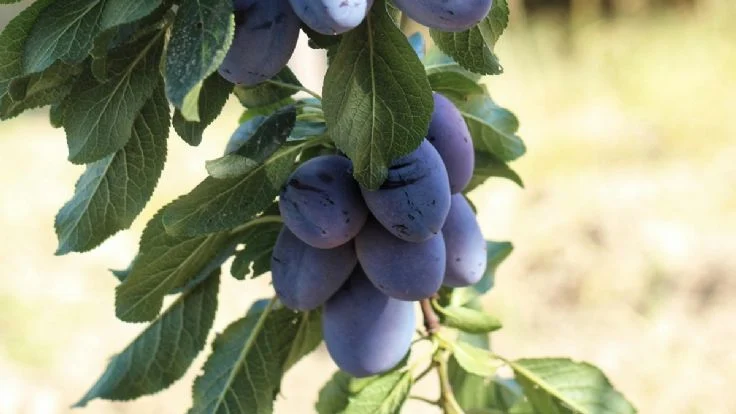
Choosing the right soil for your plum trees is crucial for their proper growth and fruit production. Growing a plum tree at home generally requires more care than other fruit trees, as these plants need special attention and specific conditions to thrive. Here, we’ll discuss three essential types of soil that your plum tree will need for successful cultivation.

Common Ground
One of the most important types of soil for your garden or orchard is organic soil or gardening soil. This basic substrate forms the foundation of orchards and gardens and often consists of plain soil without added elements or fertilizers. If you purchase soil from gardening stores, it may contain moisture-retaining materials like perlite, coconut fiber, or vermiculite. While these products are excellent for fruit trees, your plum tree will require additional elements that we’ll cover below.
Clayey-Sandy Soils
For optimal development, your plum tree should be planted in a substrate made of sandy loam and clay soil. While plum trees do not thrive in overly sandy soil, it’s important that the substrate has a balanced mix of sand and clay. This combination allows the roots to grow properly and establish a strong attachment to the substrate, resulting in a healthier and stronger tree. These elements also help retain some water while ensuring good drainage to prevent puddling.
Nutrient-Rich Soil

Finally, fertilized soil or soil rich in organic elements is vital, not just for plum trees but for any fruit tree in your garden. To create a nutrient-dense substrate, consider adding fertilizers like worm humus or cow manure, which provide essential nitrogen and minerals needed for tree growth. It’s important to apply this type of soil in small amounts, always considering the nutritional needs of the plum tree.
Conclusion
These three types of soil are essential for your plum tree to grow properly and produce fruit. The ideal approach is to create a mixture that combines all the necessary elements for a perfect substrate. If you’re starting from a seed, this will help the tree develop strong roots in the soil. Alternatively, if you opt to plant a larger, ready-to-produce tree, be prepared to pay extra attention to its care to prevent stress and ensure proper growth.