Finish the small task cleanly. One dry sink and three closed gaps can change a small kitchen more than another foaming sink drain recipe.
Keep the setup small. The article Cockroaches Hide in Drains: Pour This to Get Rid of Them Forever suggests pouring homemade cleaners into drains and dusting diatomaceous earth around every pipe. The appealing claim is that one sink drain treatment removes roaches forever.
Keep the Compact Promise Honest: Keep the No-Comeback Promise and Target the Whole Route
Stay with this short routine. A sink drain may provide water or a route, but a lasting cockroach problem can also involve wall gaps, cabinets, appliances, food, leaks, or a neighboring unit. Vinegar and baking soda do not erase a hidden colony. The strongest finish comes from sanitation, moisture repair, sealed openings, labeled enclosed bait in protected cracks, monitoring, and professional help when activity persists.
Use one simple check. For one contained job, aim for a dry, sealed sink area where nightly cockroach sightings and trap counts fall sharply and stay low through follow-up checks. Keep the dry sink drain inspection zone clear enough to see the nightly sticky-monitor count beside each sink drain without another shortcut in the way.
Plan One Simple Return Check: Follow the Monitor Count Until the Drop Holds
Make the final pass once. Waiting plan: cleaning and leak repair change the habitat immediately, but the hidden population does not vanish overnight. Read monitors after several nights, refresh enclosed bait only as its label directs, and compare the same locations for two to four weeks. Continued daytime sightings, many small nymphs, or unchanged counts signal a larger infestation that needs licensed control.
Leave the work area open. Compact proof: Number every monitor and photograph each plumbing gap before sealing. Record nightly sightings, trapped adults and nymphs, leak status, enclosed bait placement date, and nearby food findings. Success means counts trend down across the whole room, not merely that insects move away from one treated sink drain.
Let Every Item Earn Its Place: Why Resource Removal and Bait Reach Hidden Cockroaches
Put every tool away afterward. The compact nightly sticky-monitor count beside each sink drain setup works for a clear reason. Roaches need food, water, shelter, and access. A sink drain pour reaches only the pipe surface and is quickly diluted or rinsed away. Sanitation and repairs clear away resources, sealing blocks routes, and slow-acting enclosed bait can reach hidden members when foraging insects return to harborages. Monitoring shows whether those combined controls are shrinking activity.
Clear and Read One Work Area: Find Water, Food, Harborages, Gaps, and Night Traffic
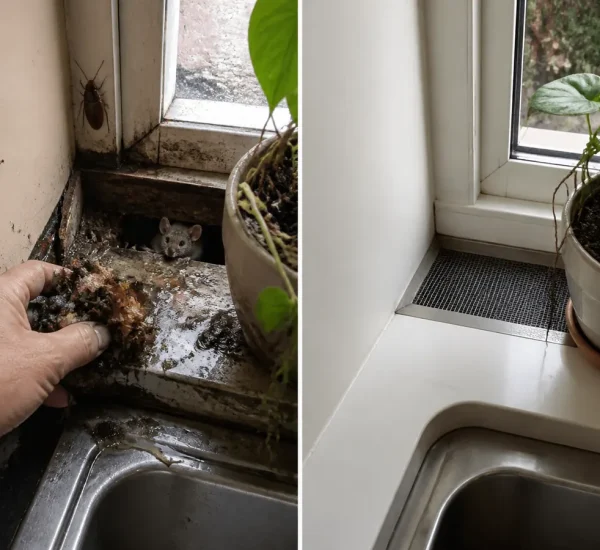
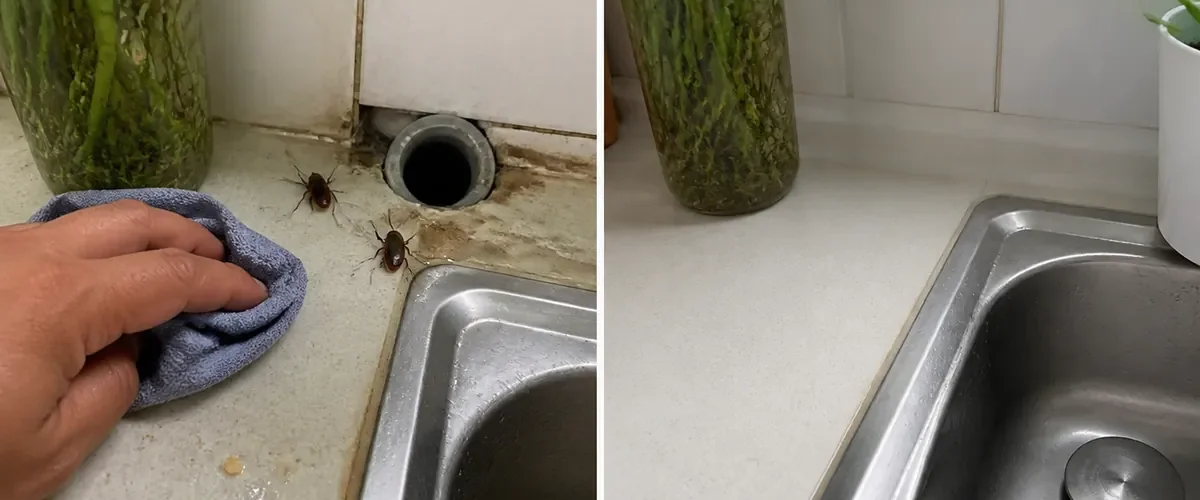
Keep one item in view. Small-area review: inspect after dark with a flashlight. Place dated small traps beside the sink, under appliances, near pipe openings, and along walls. Check for droppings, shed skins, egg cases, grease, crumbs, pet food, condensation, faucet leaks, loose escutcheons, cracked sealant, and a dry plumbing trap. Note whether activity is centered at the sink drain or arrives from another gap.
Leave Four Problems Outside: Four Drain Treatments That Scatter or Hide the Problem
- Pouring pesticides into plumbing. This can violate the label, contaminate water, damage parts, and miss insects in walls.
- Spraying beside fresh bait. A repellent spray can drive roaches away from the enclosed bait you need them to find.
- Dusting wet drain rims. Loose insecticidal dust can become airborne, clump when wet, and create exposure without fixing access.
- Sealing before checking leaks. Trapped moisture and inaccessible plumbing faults can create a new problem behind the repair.
Complete the Small-Space Sequence: Shut Down the Drain Corridor in Six Practical Moves
Opening move 1: Map the real travel routes
Clear the nearby shelf. Monitor drains, openings, cabinet corners, and appliances for several nights before choosing the treatment points.
Opening move 2: Remove food and standing moisture
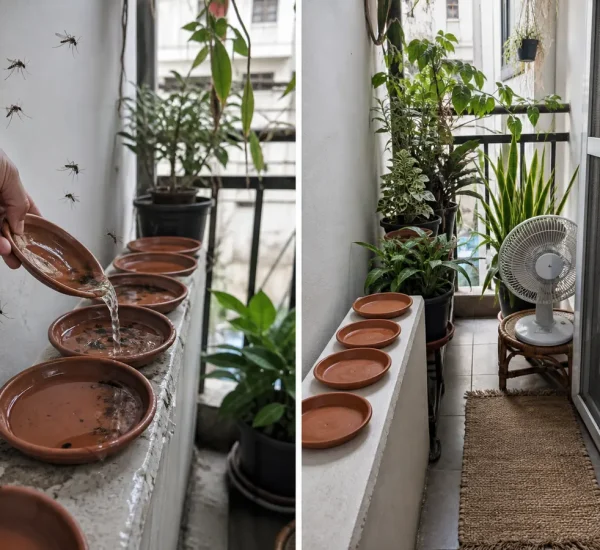
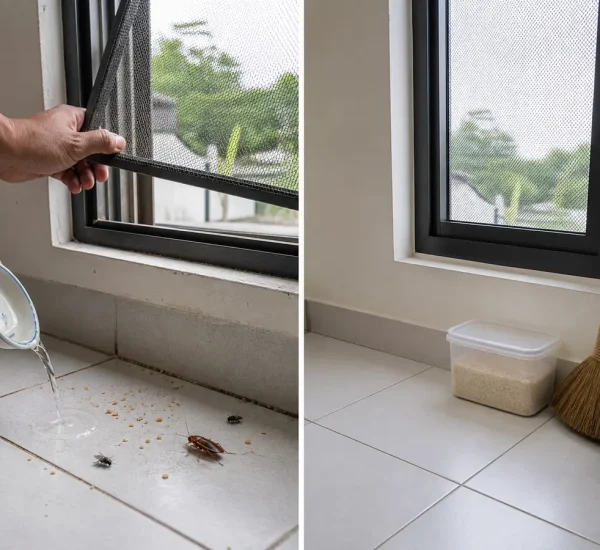
Place only the essentials nearby. Clean grease and crumbs, seal food, empty pet bowls overnight, fix leaks, and dry the sink area.
- Close suitable openings. Seal narrow pipe and cabinet gaps with the correct building material without blocking ventilation or plumbing access.
- Protect every drain route. Keep traps supplied with water and use a fitted stopper or screen on an unused sink drain when plumbing rules allow.
- Place bait by the label. Use small protected placements near active cracks, never on food surfaces or where a child or pet can touch them.
- Read the count and escalate. Compare the same monitors weekly and call a licensed professional if activity remains high or spreads.
Close the Job Cleanly: Control Chemical Mixing, Dust, Labels, Plumbing, and Access
Return at the planned time. Compact cleanup: never combine sink drain cleaners, bleach, acids, ammonia, insecticides, or homemade mixtures. Follow every pesticide label, ventilate as directed, and keep enclosed bait and monitors inaccessible to children and pets. Do not seal required vents or service openings. Contact building management or a licensed pest professional for shared walls, repeated daytime activity, or a large infestation.
Use one uncluttered corner. Dry the sink, close the food bin, cap the unused sink drain, and leave each monitor where its count can be read.
Let Close Three Kitchen Openings and Keep Drain Roaches Out for Good Become the Kitchen And Bathroom Cockroach Activity Win That Stays
Finish the small task cleanly. Begin by mapping where roaches travel instead of pouring another mixture into the pipe. Keep the dry sink drain inspection zone uncluttered and aim for a dry, sealed sink area where nightly cockroach sightings and trap counts fall sharply and stay low through follow-up checks. That practical nightly sticky-monitor count beside each sink drain finish leaves one kitchen and bathroom cockroach activity routine small enough to repeat.