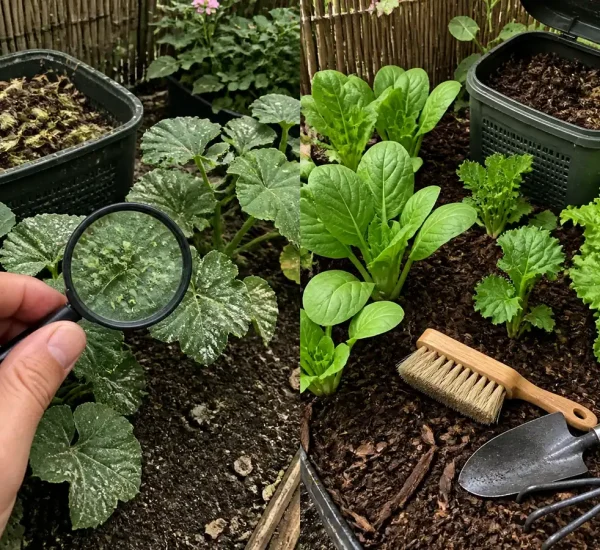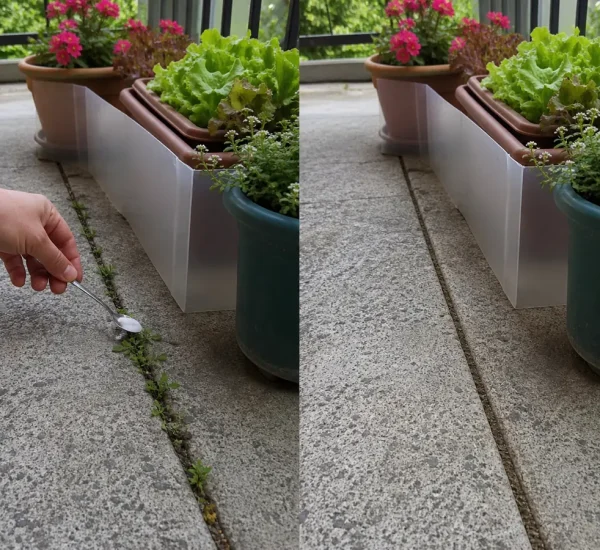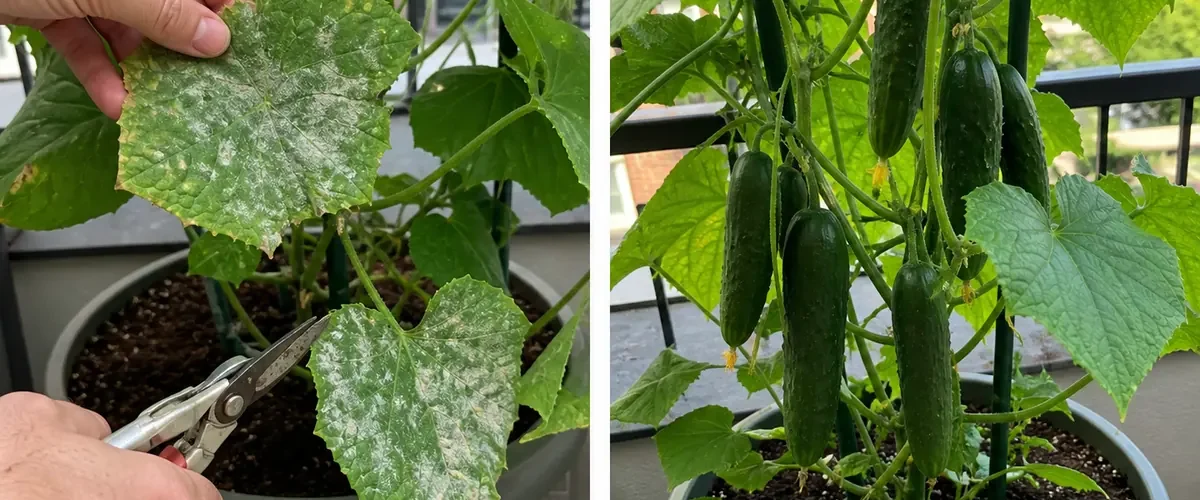
A dusting of baking soda can spread from one balcony pot to every nearby root zone. Baking Soda Wonders in the Garden My Grandma’s Lessons Unveiled uses baking soda mixed with flour, sugar, oil, soap, or water for weeds, ants, fungus, pests, flowers, and fertilizer to claim that one teaspoon of baking soda safely solves nearly every garden problem and makes flowers and fruit better.
One narrow boundary test can create one targeted garden problem improving without scorched leaves, salty soil, or harmed beneficial insects.
Compact Setup: Clear a Small Work Zone and Inspect the Evidence (7)
For the compact baking-soda garden boundary test check, name one problem before opening the box, then record plant species, symptom pattern, pests or pathogens, affected area, soil pH and sodium risk, drainage, weather, leaf temperature, open flowers, pollinators, beneficial insects, edible crop, spray history, nearby water, and whether a registered labeled product already fits.
While testing baking-soda garden boundary test, keep nearby plants, food, tools, and personal items outside the work area. One clear before photograph and one marked check point are enough to make the compact result honest.
Set One Honest Baking-Soda Garden Boundary Test Promise
Inside this compact setup, baking soda is sodium bicarbonate, not balanced fertilizer or a universal pesticide. Repeated soil use can add sodium, homemade foliar concentrations can burn leaves, and sugar baits or broad sprays can harm non-target organisms. It has narrow cleaning or labeled product roles, but diagnosis and safer targeted controls should lead garden care.
For one contained setup, the result to chase is one targeted garden problem improving without scorched leaves, salty soil, or harmed beneficial insects. Keep every move tied to one correctly identified garden issue receiving the narrowest effective control while soil structure, leaves, pollinators, produce, and waterways remain protected, so the method remains easy to stop, clean, and repeat.
The Six-Move Baking-Soda Garden Boundary Test Routine
Compact Move 1: Choose one problem, not six
In the compact setup, separate weeds, ants, caterpillars, fungal growth, soil acidity, and cut-flower care because each requires different evidence.
Compact Move 2: Check whether sodium can escape
In the compact setup, keep baking soda away from beds and roots when drainage, soil tests, containers, or nearby sensitive plants make accumulation likely.
Compact Move 3: Use physical control first
In the compact setup, pull weeds, rinse removable pests, prune justified damage, improve airflow, correct watering, or clean hard tools before mixing a spray.
Compact Move 4: Prefer a labeled formulation
In the compact setup, when treatment remains necessary, select a product registered for the exact plant and problem and follow its rate, weather, and interval.
Compact Move 5: Test one small area
In the compact setup, protect flowers and beneficial insects, treat a limited section, and wait through the label’s observation period before expanding.
Compact Move 6: Watch new tissue and soil
In the compact setup, mark the damage edge, record new leaves or pest counts, stop on scorch or residue, and avoid repeating sodium without evidence.
Compact Setup: Plan the Wait Without Filling the Space Again (7)
For this small baking-soda garden boundary test setup, a harmful application can be stopped and residue rinsed when appropriate today, but scorched leaves will not heal. Pest or disease control is judged on new damage over days or weeks. Soil sodium can persist much longer, so repeated spoonfuls are not a harmless experiment.
During the baking-soda garden boundary test wait, leave only the essential setup in place. Do not add a second remedy because the final transformation needs more time than the first visible change.
Keep These Four Baking-Soda Garden Boundary Test Problems Out
- calling baking soda fertilizer. For baking-soda garden boundary test, it adds clutter without solving the strongest limit.
- spraying in hot sun. For baking-soda garden boundary test, it can spread residue, moisture, pests, or stress beyond the test area.
- mixing soap oil and soda blindly. For baking-soda garden boundary test, it turns one contained routine into repeated cleanup.
- spreading sugar bait outdoors. For baking-soda garden boundary test, it sacrifices a stable result for a fast-looking change.
Compact Setup: Make Every Material Earn Its Space (7)
Start with choose one problem, not six, check whether sodium can escape, use physical control first; they address the cause before another bottle, pot, or tool is added. Return unused materials to storage as soon as the first correction is complete.
Finish with prefer a labeled formulation, test one small area, watch new tissue and soil. That compact chain supports one correctly identified garden issue receiving the narrowest effective control while soil structure, leaves, pollinators, produce, and waterways remain protected and leaves the small area with one targeted garden problem improving without scorched leaves, salty soil, or harmed beneficial insects, not a second cleanup project.
Compact Setup: Finish With a Clean and Safe Small Space (7)
For a safe compact baking-soda garden boundary test routine, do not mix household recipes with pesticides or other cleaners. Protect eyes and skin, avoid inhaling dust, keep treatments from children, pets, pollinators, food, and water, and follow edible-crop labels and local rules.
After baking-soda garden boundary test, remove waste, drain only where permitted, clean the tools, and return the area to normal use. The method has not worked if it leaves a hidden hazard behind.
Never Underestimate Baking Soda After Seeing Grandma’s Garden Lessons: Keep the Compact Win
Keep the routine only when it leaves one targeted garden problem improving without scorched leaves, salty soil, or harmed beneficial insects inside the same clean footprint. Start at choose one problem, not six, remove everything that did not help, and repeat the smallest successful version when the next normal-care cycle calls for it.