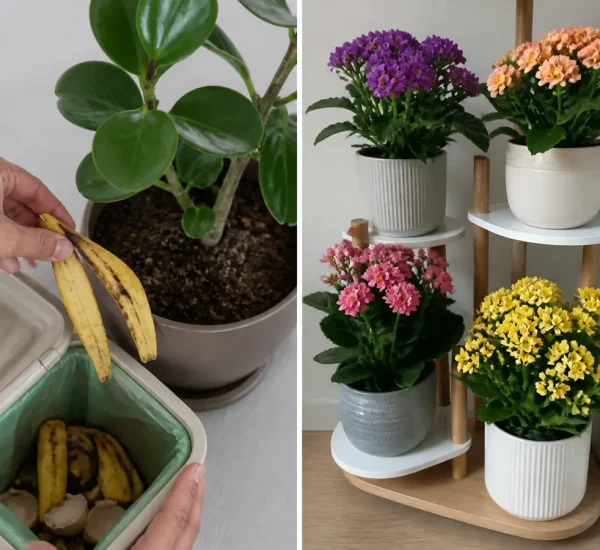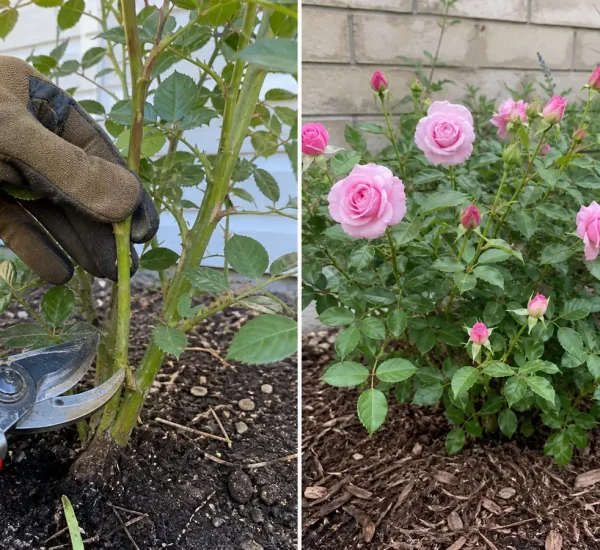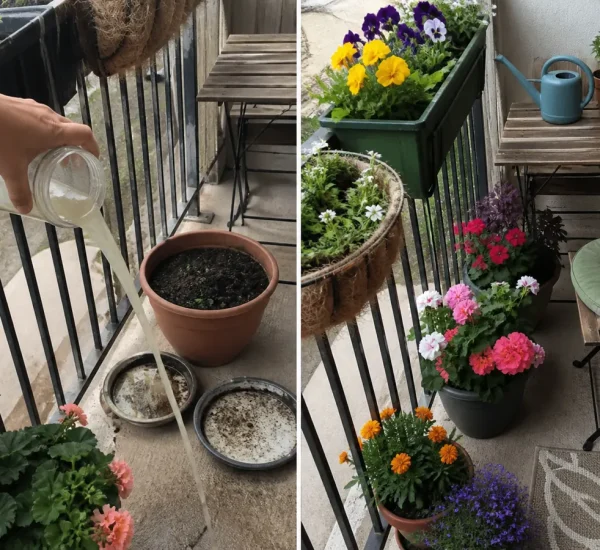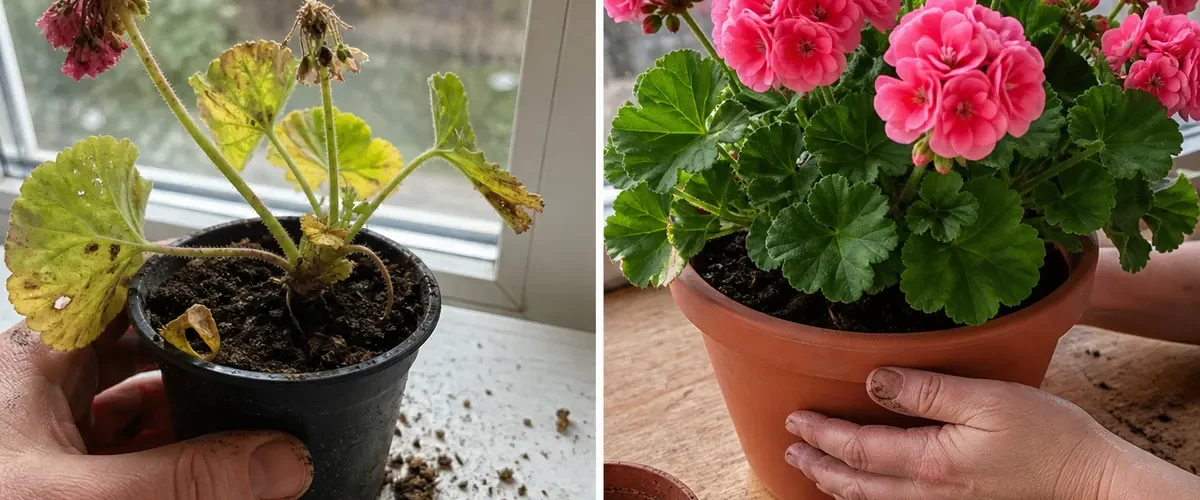
A fading geranium occupies precious balcony color until the next branch and bud are already planned. Cómo mantener geranios exuberantes y saludables por mucho tiempo uses newly purchased pelargoniums being moved from nursery pots into balcony containers to claim that a few care steps keep geraniums lush, healthy, and flowering for years.
A compact bloom relay produces colorful geranium flowers repeating from spring through the growing season.
What the Bold Geranium Bloom-Relay Calendar Claim Leaves Out
For a compact setup, the practical limit is clear: pelargoniums can flower for a long season, but continuous color depends on cultivar, light, temperature, root volume, drainage, feeding, spent-flower removal, pruning, and winter strategy. Repotting every plant immediately or feeding heavily can interrupt bloom. A calendar that alternates flowering, cleanup, regrowth, and protection creates the relay.
In limited space, a weak method creates odor, clutter, runoff, or repeated work very quickly. A cleaner sequence can still reach colorful geranium flowers repeating from spring through the growing season. It should not add a second problem.
Start Here: Compact Start: Acclimate the Purchased Plant
At one tidy work station, confirm pelargonium type, then record purchase date, acclimation, pot crowding, drainage, root health, sun hours, heat, wind, rainfall, moisture, fertilizer rate, salts, flower count, spent heads, branch count, pests, disease, pruning, overwintering plan, and frost dates.
Clear a small geranium bloom-relay calendar work zone and protect nearby floors, fabrics, plants, food, and shared air. Test one subject or one hidden area before treating the entire space.
Why These Moves Create Colorful Geranium Flowers Repeating from Spring Through the Growing Season
A small plant setup improves when each correction earns its place. Start with acclimate the purchased plant, then use repot only when roots need room and build the sun-and-water rhythm to protect roots, leaves, and the limited space around them.
Contain the trial at deadhead back to a sound point and close the loop with plan the season change early. The result is worth keeping only when those compact moves produce colorful geranium flowers repeating from spring through the growing season. No fresh clutter or stress should follow.
Compact Setup: Build the Geranium Bloom-Relay Calendar Result in Six Practical Moves
Compact Start: Acclimate the Purchased Plant
On one test subject, hold it in bright shelter for a few days, inspect pests and roots, and increase direct sun gradually before repotting.
Clear-space Move: Repot Only When Roots Need Room
With the nearby area clear, choose a draining container modestly larger than the root ball, preserve healthy roots, and set the crown at its original depth.
Low-clutter Correction: Build the Sun-and-water Rhythm
Before using more materials, provide strong acclimated light, water the full root zone when ready, and drain without leaving the saucer full.
Smallest Effective Step: Feed the Active Flower Relay
For the smallest useful change, use a complete labeled flowering-plant fertilizer at a measured rate, managing salts and avoiding excessive nitrogen.
Contained Trial: Deadhead Back to a Sound Point
Keep the trial contained: remove fully spent clusters and damaged leaves cleanly, preserving healthy foliage and buds that continue the display.
Clean Finish: Plan the Season Change Early
To finish the small-space test, reduce stress before frost or extreme heat, prune at the correct phase, and keep healthy cuttings as renewal insurance when useful.
A Believable Timeline for Colorful Geranium Flowers Repeating from Spring Through the Growing Season
Plan the wait as carefully as the work: acclimation takes days, new branches and buds take weeks, and each flower cluster naturally finishes. Repeating bloom waves can continue through warm months when deadheading and feeding match growth. Keeping a plant for years requires species-appropriate winter protection and periodic renewal.
Keep the geranium bloom-relay calendar setup steady while you wait. Repeatedly moving, feeding, watering, or repotting can hide which action helped and add fresh stress.
Stop the Geranium Bloom-Relay Calendar Test if Any Limits Are Crossed
In a shared small space, disinfect pruners, secure balcony pots, and wear gloves if sap irritates your skin. Follow fertilizer labels and keep pelargoniums and products away from children and pets that may chew them.
Keep the geranium bloom-relay calendar area tidy, control runoff, and store every material away from food, children, and pets. Clean the work zone before normal care resumes.
Four Mistakes That Block the Geranium Bloom-Relay Calendar Result
- Avoid repotting during every bloom pause. It makes the promised geranium bloom-relay calendar finish harder to separate from normal change.
- Avoid keeping saucers full. It risks trading a stable geranium bloom-relay calendar result for a fast visual effect.
- Avoid feeding excessive nitrogen. It prevents a clean comparison with the original geranium bloom-relay calendar baseline.
- Avoid waiting for frost to plan winter. It can spread residue, stress, or pests beyond the first geranium bloom-relay calendar test.
Prove the Geranium Bloom-Relay Calendar Result With More Than One Signal
Use one plant or container as the first geranium bloom-relay calendar trial. Mark it discreetly and keep neighboring plants out so runoff, pests, shade, or a second treatment cannot confuse the result.
Repeat only after the test plant stays stable through normal care. In a small space, the best proof is colorful geranium flowers repeating from spring through the growing season with easy cleanup and no spillover into the rest of the room or garden.
Give Geraniums This and Enjoy Thick, Healthy Growth for Ages: The Result Worth Keeping
The best small-space transformation is impressive because it stays controlled. Begin with the step acclimate the purchased plant, change one important condition at a time, and keep the routine only when it delivers colorful geranium flowers repeating from spring through the growing season. It should not create extra work nearby.