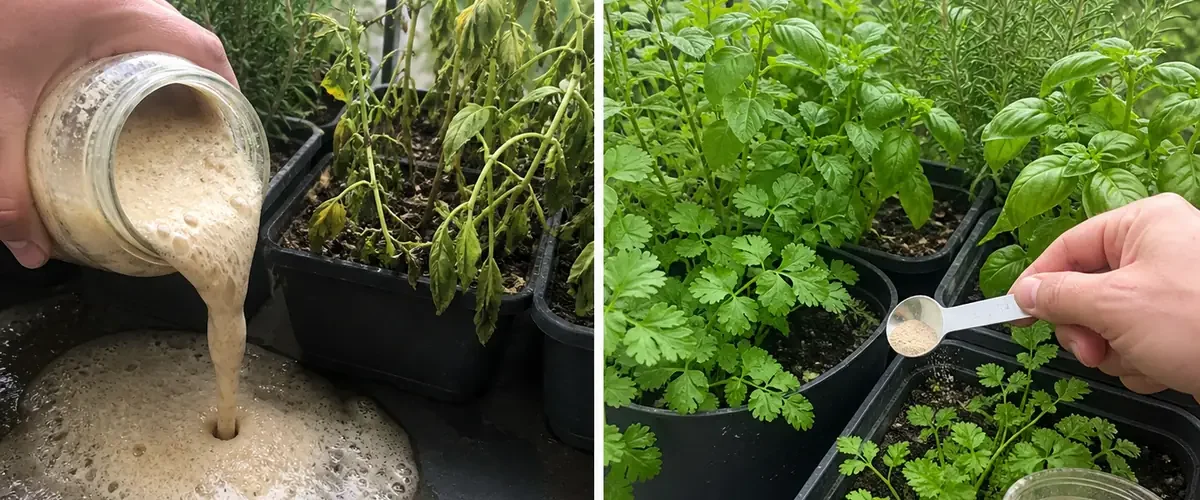
A compact plant feeding setup can deliver a big change when reviewing what soil already holds earns its place. The starting point is a foaming yeast-and-sugar brew offered as the only plant food a garden needs. The source frames the idea as The only very powerful natural fertilizer, use it for plants: it is worth its weight in gold in the vegetable garden and garden.
For yeast fertilizer for plants, the practical sequence begins with reviewing what soil already holds. Track balanced growth and a better harvest against the small-space promise; repeat reviewing what soil already holds and only the plant feeding steps that produce visible progress.
The First Plant Feeding Check Changes Everything
Name the crop, growth stage, soil history, drainage, recent weather, and current plant food ahead of blaming weak growth on hunger. Look at pale leaves for pattern and look over roots for water stress.
The Reviewing What Soil Already Holds Clue That Sets the Direction
Inspect plant feeding roots and living tissue before reviewing what soil already holds. Compare plant feeding moisture with drainage, then log light around reviewing what soil already holds. Track temperature separately; note pests and recent feeding for the plant feeding. Photograph the plant feeding before reviewing what soil already holds. Note recent plant feeding care and cleaning; its maintenance history gives reviewing what soil already holds a fair baseline.
Build the Conditions Behind Balanced Growth and a Better Harvest
Yeast biomass contains nutrients, but an improvised brew has no reliable complete plant food analysis, and sugar may feed microbes or pests without correcting a crop deficiency.
Roots need water and oxygen around the plant feeding. Correct runoff before reviewing what soil already holds, loosen its mix, and shield the subject from harsh sun. Cold or stale air needs a separate fix.
The plant feeding method succeeds when reviewing what soil already holds removes its main limit. To reach balanced growth and a better harvest, it must protect sound plant feeding material while the correction continues.
Follow This Plant Feeding Sequence in Order
- Review what soil already holds
Look at compost, slow-release feed, manure history, and last season’s crop ahead of adding another nutrient source. - Test when stakes are high
Use a soil test for a large bed or repeated deficiency, then follow crop and local amendment guidance. - Pick complete nutrition
Select a labeled vegetable plant food or mature compost whose application rate and intended crops are clear. - Measure the growing spot
Calculate bed spot or container volume so concentrated feed is not guessed from a spoon or watering can. - Apply to strong roots
Feed during active growth when soil is moist but not saturated, and keep plant food off stems and leaves. - Compare the next growth
Write down leaf color, internode length, flower set, pests, weather, and harvest weight ahead of repeating.
The Real Payoff Behind Review What Soil Already Holds
The Check That Protects This Plant Feeding Result
The source centers on a foaming yeast-and-sugar brew offered as the only plant food a garden needs and promises the kitchen ferment supplies complete nutrition, stronger roots, and much larger fruit when finished with only three yearly applications. For yeast fertilizer for plants, that hook becomes useful only when reviewing what soil already holds matches the real cause.
The supported plant feeding promise: begin with reviewing what soil already holds and expect strong mixed vegetables with sturdy roots and species-appropriate harvest when finished with measured soil-based nutrition.
That plant feeding result stays bold and practical. Because reviewing what soil already holds anchors the plan, progress toward balanced growth and a better harvest can outlast a temporary plant feeding reaction and this source’s wishful timing.
What to Expect After the First Change
A sugary mixture may foam within minutes, but useful plant response must be judged over several weeks. Steady new growth and normal fruit set matter more than bubbles or a brief flush.
Mark the first plant feeding inspection before reviewing what soil already holds. Progress toward balanced growth and a better harvest must continue during normal use. A brief shine, wet leaf, scent, or swollen seed is only an early signal.
Four Mistakes That Cancel the Plant Feeding Result
- Calling yeast complete NPK.
- Adding sugar to every bed.
- Stacking eggshell and plant food blindly.
- Crediting weather-driven growth to foam.
Each plant feeding mistake changes conditions around reviewing what soil already holds without proving the cause. Correct the earliest error, then wait for the response before adding another variable.
Use the Plant Feeding Method Without Preventable Harm
Never seal an active ferment, clean sticky spills, and keep all garden inputs labeled and away from children and pets. Use only products approved for edible crops and observe harvest directions.
Natural origin cannot guarantee a gentle plant feeding result. After reviewing what soil already holds, soft tissue ends the test. A changed finish, stronger odor, spreading pests, or irritation does the same.
Make the New Result Easier to Repeat
Keep plant feeding light and drainage steady after reviewing what soil already holds. Match water to need during active growth; reassess before repeating an optional household input.
How This Supports the Final Plant Feeding Promise
Once the plant feeding improves beyond reviewing what soil already holds, stop chasing a faster picture. Keep those conditions stable so the promising response becomes repeatable.
Keep the Plant Feeding Reset Result Going in Small Spaces
For yeast fertilizer for plants, evidence strengthens the promise. Follow reviewing what soil already holds, respect the timeline, and expect strong mixed vegetables with sturdy roots and species-appropriate harvest when finished with measured soil-based nutrition.
The yeast fertilizer for plants transformation remains an impressive promise. Beginning with reviewing what soil already holds makes this plant feeding finish specific; verify balanced growth and a better harvest before repeating it.