The best compact lemon juice for orchids secret improves results through pausing concentrated treatments, without clutter or risky mixtures. The starting point is a weak orchid offered concentrated lemon juice on roots and leaves. The source frames the idea as The Lemon Juice Trick to Revive and Bloom Your Orchids.
For lemon juice for orchids, the practical sequence begins with pausing concentrated treatments. Track stronger roots and more blooms against the small-space promise; repeat pausing concentrated treatments and only the orchid steps that produce visible progress.
Build the Conditions Behind Stronger Roots and More Blooms
Lemon juice is strongly acidic and variable, can burn roots or leaves, and does not diagnose rot, pests, nutrient needs, or the orchid's bloom cycle.
Roots need water and oxygen around the orchid. Correct runoff before pausing concentrated treatments, loosen its mix, and shield the subject from harsh sun. Cold or stale air needs a separate fix.
The Orchid Signal Worth Recording
The orchid method succeeds when pausing concentrated treatments removes its main limit. To reach stronger roots and more blooms, it must protect sound orchid material while the correction continues.
A Bold but Supported Result From Pause Concentrated Treatments
What Changes Next for the Orchid
The source centers on a weak orchid offered concentrated lemon juice on roots and leaves and promises lemon water prevents rot, repels pests, lengthens orchid life, and forces bloom. For lemon juice for orchids, that hook becomes useful only when pausing concentrated treatments matches the real cause.
The supported orchid promise: begin with pausing concentrated treatments and expect an orchid with unburned firm roots in fresh bark, clean leaves, and a natural new root or seasonal spike.
That orchid result stays bold and practical. Because pausing concentrated treatments anchors the plan, progress toward stronger roots and more blooms can outlast a temporary orchid reaction and this source’s wishful timing.
Read the Starting Clues Around Your Orchid
Look over root firmness, crown dryness, bark age, light, and actual pests. Measure irrigation-water or potting mix pH ahead of trying to change acidity.
The Pausing Concentrated Treatments Clue That Sets the Direction
Inspect orchid roots and living tissue before pausing concentrated treatments. Compare orchid moisture with drainage, then log light around pausing concentrated treatments. Track temperature separately; note pests and recent feeding for the orchid. Photograph the orchid before pausing concentrated treatments. Note recent orchid care and cleaning; its maintenance history gives pausing concentrated treatments a fair baseline.
Start the Orchid Reset With These Moves
Pause concentrated treatments
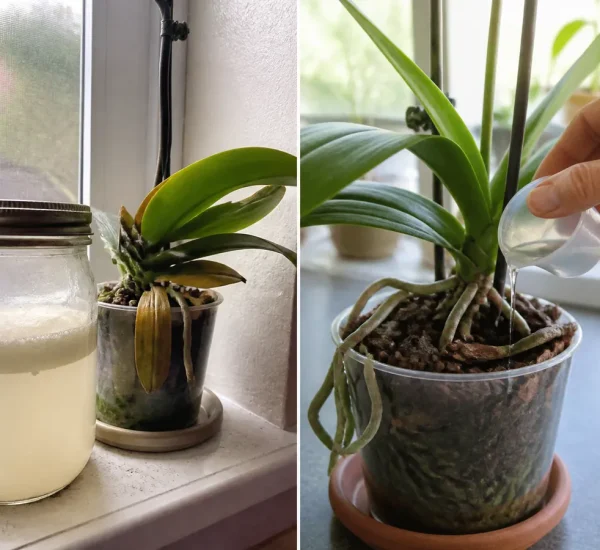
Take away the container from any lemon-water saucer and flush the potting mix thoroughly with plain suitable water.
Look over for acid injury
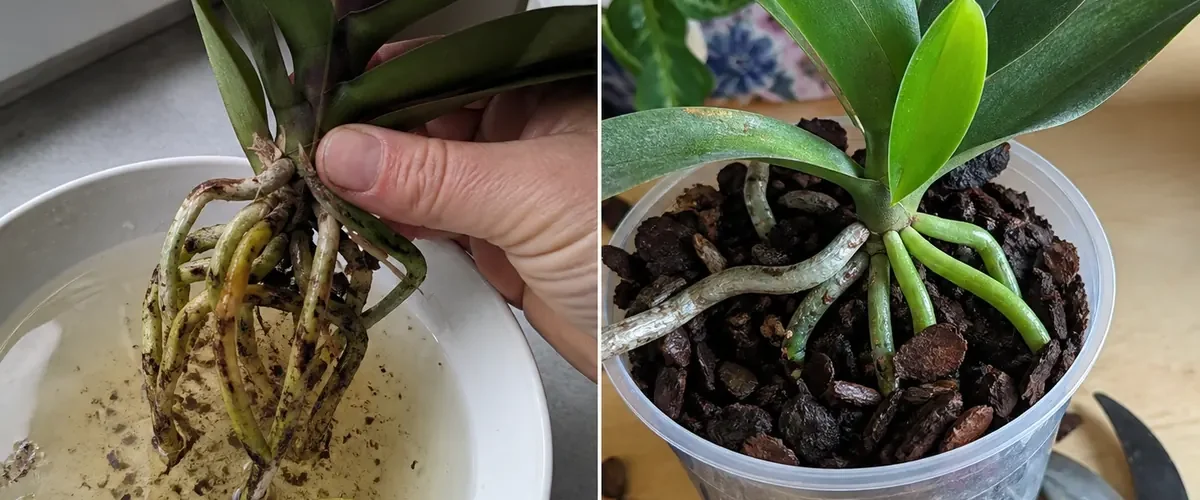
Unpot if roots smell sour or feel soft, then trim only dead sections using sterilized snips.
Renew broken-down bark
Repot in clean coarse orchid mix with the crown above the finish and strong drainage through a ventilated container.
Complete the Sequence and Protect the Result
- Fix pH with evidence
Test water and potting mix, then follow orchid or local guidance instead of dosing with variable fresh juice. - Treat identified pests
Isolate the plant and pick a control labeled for the insect; lemon scent is not a reliable pesticide. - Rebuild bloom conditions
Provide bright indirect light, measured orchid plant food during growth, and the seasonal temperature cue the species needs.
When Orchid Progress Should Become Visible
Acid injury may show quickly as spotted tissue, but strong root recovery takes weeks. A new flower spike follows species and season, not one lemon soak.
Mark the first orchid inspection before pausing concentrated treatments. Progress toward stronger roots and more blooms must continue during normal use. A brief shine, wet leaf, scent, or swollen seed is only an early signal.
A Strong Result Still Needs These Limits
Lemon juice can sting eyes and damaged skin and bleach some surfaces in sunlight. Clean spills, wash hands, and keep acidic mixtures away from pets and children.
Natural origin cannot guarantee a gentle orchid result. After pausing concentrated treatments, soft tissue ends the test. A changed finish, stronger odor, spreading pests, or irritation does the same.
Your Quick Orchid Success Checklist
- Pause concentrated treatments
- Look over for acid injury
- Renew broken-down bark
- Fix pH with evidence
- Treat identified pests
- Rebuild bloom conditions
Keep this orchid list beside the work area. Beginning with pausing concentrated treatments makes the sequence repeatable and prevents an exciting ingredient from replacing the conditions behind the result.
One Final Orchid Check
Return to the orchid starting photo after pausing concentrated treatments. Compare new healthy tissue, a clean surface, crop weight, or activity count instead of old damage that may never disappear. Keep the successful conditions steady for one normal cycle; that pause separates stronger roots and more blooms from a temporary visual effect.
Inspect the system surrounding pausing concentrated treatments as well. Roots, nearby leaves, comparison plants, dry seams, normal odors, or monitoring traps can expose a side effect. Repeat the method only when the target improves and its surroundings stay stable; that wider check backs the strong promise with visible evidence.
Keep the Orchid Care Reset Result Going in Small Spaces
A lasting orchid result grows from pausing concentrated treatments. Match each action to its cause and reach an orchid with unburned firm roots in fresh bark, clean leaves, and a natural new root or seasonal spike.
The lemon juice for orchids transformation remains an impressive promise. Beginning with pausing concentrated treatments makes this orchid finish specific; verify stronger roots and more blooms before repeating it.