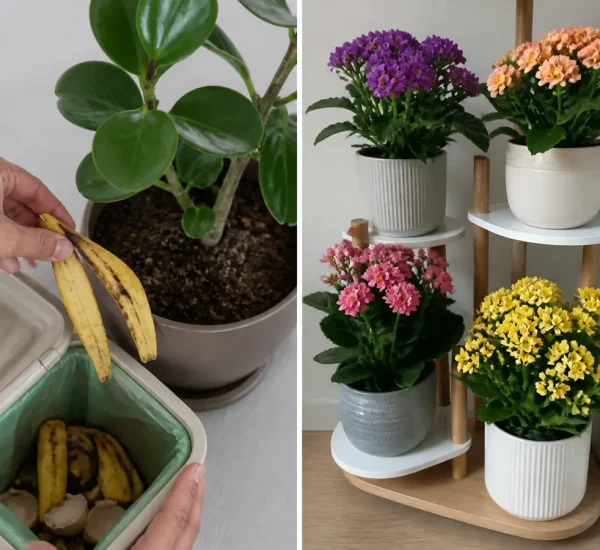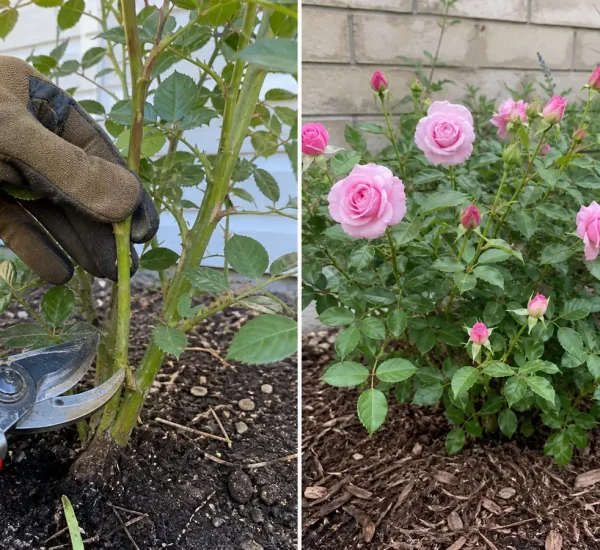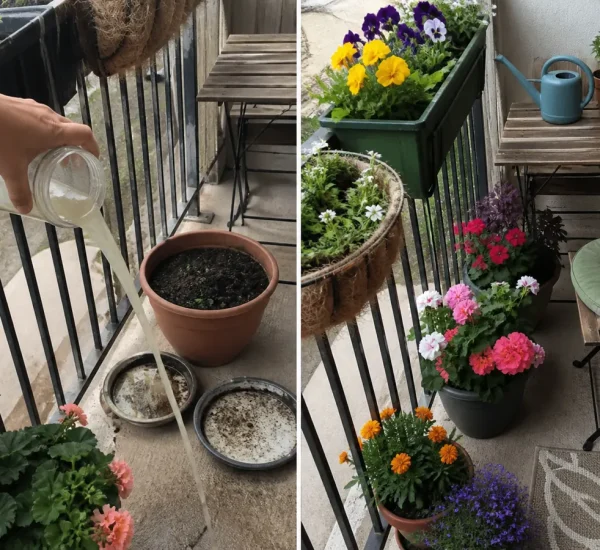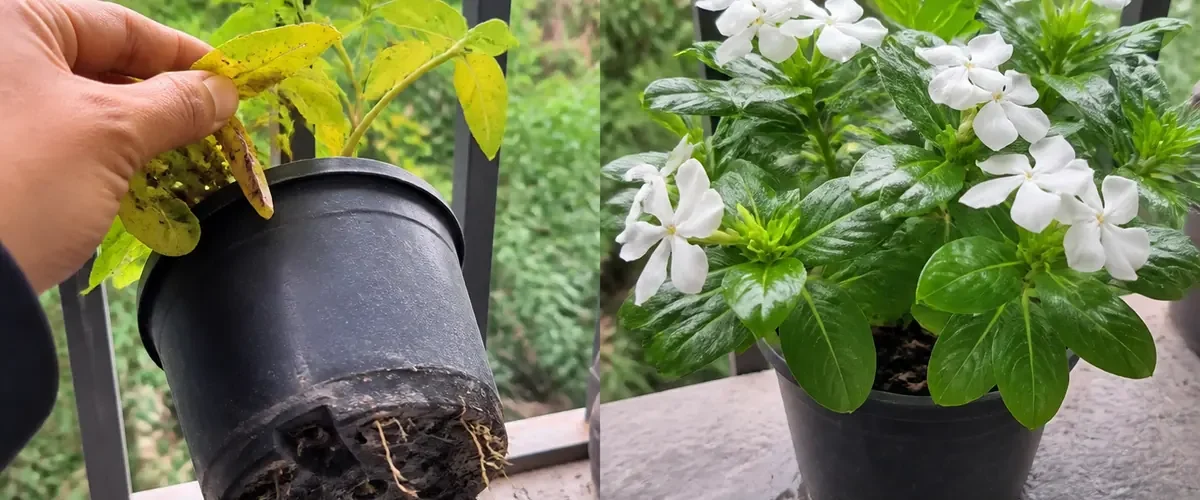
One balcony pot can reach a thick flower flush without storing a bag of white crystals beside every yellow leaf. Can One Teaspoon of Epsom Salt Make Every Flower Bloom? presents one teaspoon of Epsom salt being promoted as a universal flower booster, root strengthener, germination aid, flavor enhancer, and natural pesticide and claims that a monthly spoonful of magnesium sulfate makes every houseplant and garden flower bloom profusely for weeks.
The compact goal is to use Epsom salt for flowering plants safely. A compact magnesium check can create a correctly diagnosed magnesium shortage being corrected while light, water, roots, and balanced nutrition carry more buds into a long believable flower display.
Clear One Tested-Magnesium Flower Recovery Work Zone
For the compact tested-magnesium flower recovery check, photograph old and new leaves, then record whether yellowing sits between green veins on older foliage, where the plant is growing, hours of useful light, recent fertilizer, soil pH, drainage, root condition, flower history, and any soil-test magnesium result. Rule out wet roots, drought, pests, cold, excess salts, and ordinary leaf aging.
While testing tested-magnesium flower recovery, keep nearby plants, food, tools, and personal items outside the work area.
Choose the Small-Space Tested-Magnesium Flower Recovery Promise
Inside this compact setup, epsom salt supplies magnesium and sulfur, but it helps only when a plant truly lacks magnesium. Research-based guidance does not support using it as a universal fertilizer or pesticide. A soil or growing-medium test, symptom pattern, plant identity, light, water, root health, temperature, and complete nutrition reveal whether magnesium is the missing limit.
For one contained setup, the result to chase is a correctly diagnosed magnesium shortage being corrected while light, water, roots, and balanced nutrition carry more buds into a long believable flower display. Keep every move tied to correcting only a verified magnesium shortage while preserving nutrient balance and supplying the light, roots, water, and species-specific care needed to hold more flowers, so the method remains easy to stop, clean, and repeat.
Make the Tested-Magnesium Flower Recovery Fit the Same Footprint
Start with read the yellowing pattern, test soil or medium, repair the larger bloom limits; they address the cause before another bottle, pot, or tool is added. Return unused materials to storage as soon as the first correction is complete.
Finish with treat a confirmed shortage, protect the comparison, stop when evidence disagrees. That compact chain supports correcting only a verified magnesium shortage while preserving nutrient balance and supplying the light, roots, water, and species-specific care needed to hold more flowers and leaves the small area with a correctly diagnosed magnesium shortage being corrected while light, water, roots, and balanced nutrition carry more buds into a long believable flower display, not a second cleanup project.
The Six-Move Tested-Magnesium Flower Recovery Routine
Compact Move 1: Read the yellowing pattern
In the compact setup, compare older and younger leaves, vein color, edges, spots, pests, moisture, and root condition before naming magnesium deficiency.
Compact Move 2: Test soil or medium
In the compact setup, use a reliable laboratory soil test outdoors, or review the known formulation and fertilizer history of a container medium before adding magnesium.
Compact Move 3: Repair the larger bloom limits
In the compact setup, give the species useful light, correct drainage, a stable watering rhythm, suitable temperature cues, and a complete fertilizer only when growth and the label call for it.
Compact Move 4: Treat a confirmed shortage
In the compact setup, if a test or qualified diagnosis supports magnesium deficiency, choose a crop-appropriate magnesium source and apply only the measured rate recommended for that setting.
Compact Move 5: Protect the comparison
In the compact setup, leave a similar plant or marked branch under corrected basic care without extra magnesium when practical, then photograph new leaves and bud count at fixed intervals.
Compact Move 6: Stop when evidence disagrees
In the compact setup, do not repeat magnesium when the test is adequate, symptoms spread, leaf edges burn, salts crust the soil, or drainage water can reach sensitive areas.
Keep These Four Tested-Magnesium Flower Recovery Problems Out
1. Treating every yellow leaf as magnesium deficiency
For tested-magnesium flower recovery, it adds clutter without solving the strongest limit.
2. Using epsom salt as a pesticide
For tested-magnesium flower recovery, it can spread residue, moisture, pests, or stress beyond the test area.
3. Placing dry crystals against roots
For tested-magnesium flower recovery, it turns one contained routine into repeated cleanup.
4. Crediting existing buds to a same-day dose
For tested-magnesium flower recovery, it sacrifices a stable result for a fast-looking change.
Wait for the Tested-Magnesium Flower Recovery Without Adding Clutter
For this small tested-magnesium flower recovery setup, a confirmed soluble-magnesium correction can improve the color of developing foliage over several weeks, but old damaged tissue may not turn green again. Bud formation follows each species’ growth and seasonal clock. A same-day bloom cannot be credited to a teaspoon added today.
During the tested-magnesium flower recovery wait, leave only the essential setup in place. Do not add another mineral before the small pot’s new leaves and next bud count reveal the first decision.
Close the Tested-Magnesium Flower Recovery Routine Cleanly
For a safe compact tested-magnesium flower recovery routine, do not broadcast magnesium sulfate without knowing the soil need. Keep powder out of eyes and lungs, measure rather than scoop freely, protect children and pets, prevent runoff, and follow local soil-test and fertilizer guidance for the exact plant and site.
After tested-magnesium flower recovery, remove waste responsibly and clean the tools, and return the area to normal use.
Give Flowers One Teaspoon of Epsom Salt and Watch What Happens: Keep the Compact Win
Keep the routine only when it leaves a correctly diagnosed magnesium shortage being corrected while light, water, roots, and balanced nutrition carry more buds into a long believable flower display inside the same clean footprint. Start at read the yellowing pattern, Keep the tested correction only when the next leaves and buds improve, then store unused mineral powder away from the balcony.