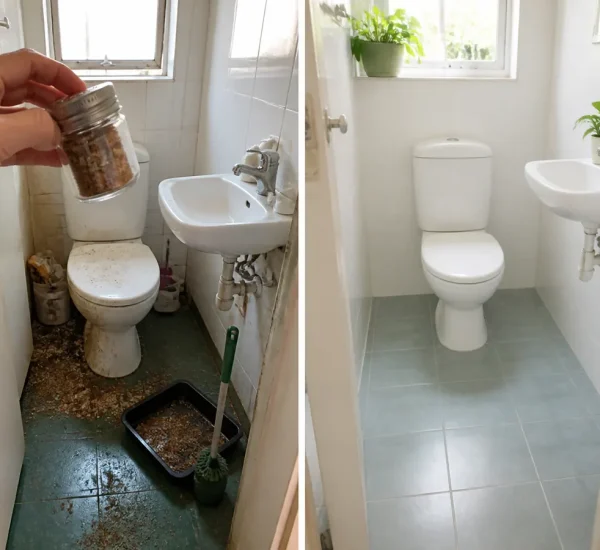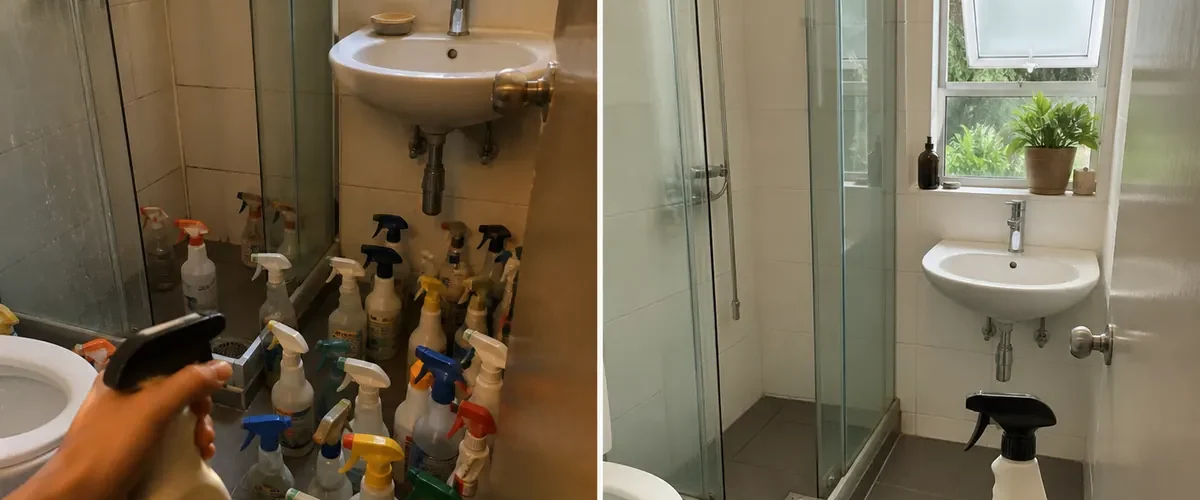
In a small home, kitchen, or garden, one struggling subject can dominate the whole space. Here the starting point is soap powder, juice from several lemons, and an unspecified disinfectant being mixed in one bathroom spray bottle. The source, El baño nunca se ensucia y huele constantemente con este método natural, answers it with a tempting promise: the natural mixture keeps a bathroom disinfected, spotless, and perfumed so it never becomes dirty again.
A compact space needs a method that earns its footprint. The plan below aims for bright dry surfaces and odors kept under control, with steps that are tidy, measurable, and easier to stop if the result turns the wrong way. That is how a dramatic change becomes useful instead of merely photogenic.
One Careful Check Changes the Whole Plan
Read every product label ahead of opening it, name tile, stone, grout, metal, acrylic, glass, and painted finishes, then locate soap film, mineral scale, urine residue, mold, leaks, and weak ventilation.
Clear a small bathroom cleaning work zone and protect nearby floors, fabrics, plants, food, and shared air. Test one subject or one hidden area before treating the entire space.
Build the Result in Six Practical Moves
- Ventilate and separate products. Open ventilation, take away clutter, wear label-required protection, and keep acids, bleach, disinfectants, ammonia, and homemade mixtures apart.
- Match cleaner to the finish. Use manufacturer guidance and a hidden patch test, especially on natural stone, sealed grout, metal, acrylic, and painted finishes.
- Take away ordinary soil first. Clean dust, hair, soap film, and body oils with a suitable detergent and mechanical wiping ahead of asking a disinfectant to work.
- Rinse ahead of another option. Take away cleaner residue completely and never layer products in a spray bottle or directly on the same wet finish.
- Disinfect only where needed. Use a registered disinfectant exactly as labeled, including dilution, ventilation, wet contact time, and rinsing requirements.
- Dry and fix the odor source. Squeegee wet areas, launder cloths, empty bins, improve airflow, and investigate recurring leaks, drains, mold, or seal failure.
Why These Moves Create Bright Dry Surfaces and Odors Kept Under Control
Plants recover when roots, moisture, light, temperature, and nutrition are corrected in the right order. The first move, ventilate and separate products, sets the baseline. The next moves, match cleaner to the finish and take away ordinary soil first, protect the living system that must create new growth.
The fifth move, disinfect only where needed, supports the plant after the first visible change; the final move, dry and fix the odor source, confirms its direction. Together they make bright dry surfaces and odors kept under control a result of functioning roots and steady care rather than a short-lived surface effect.
What the Bold Bathroom Cleaning Claim Leaves Out
An acid such as lemon juice must never be mixed with an unknown disinfectant, natural fragrance does not prove disinfection, and a bathroom stays clean through separate label-directed products, ventilation, soil removal, and drying.
In limited space, a weak method creates odor, clutter, runoff, or repeated work very quickly. A cleaner sequence can still reach bright dry surfaces and odors kept under control without adding a second problem.
A Believable Timeline for Bright Dry Surfaces and Odors Kept Under Control
Fresh soil and odor can improve during one cleaning session. Daily drying and ventilation reduce return, while recurring mold or sewer odor requires the moisture or plumbing source to be corrected.
Keep the bathroom cleaning setup steady while you wait. Repeatedly moving, feeding, watering, or repotting can hide which action helped and add fresh stress.
Prove the Bathroom Cleaning Result With More Than One Signal
Use one plant or container as the first bathroom cleaning trial. Mark it discreetly and keep neighboring plants out so runoff, pests, shade, or a second treatment cannot confuse the result.
Repeat only after the test plant stays stable through normal care. In a small space, the best proof is bright dry surfaces and odors kept under control with easy cleanup and no spillover into the rest of the room or garden.
Avoid These Errors Before Repeating the Method
- Mixing lemon with disinfectant. It may improve one photograph while the wider bathroom cleaning system declines.
- Calling fragrance proof of hygiene. It adds a new variable before the bathroom cleaning cause is understood.
- Using acid on natural stone. It can delay the useful correction and prolong the original bathroom cleaning problem.
- Ignoring leaks and weak airflow. It makes the promised finish harder to separate from normal change.
Stop the Test if Any of These Limits Are Crossed
Never mix cleaning products. Leave the room and seek local poison-control or emergency guidance if fumes, coughing, eye pain, or breathing trouble begins. Keep sprays labeled and away from children and pets.
Keep the bathroom cleaning area tidy, control runoff, and store every material away from food, children, and pets. Clean the work zone before normal care resumes.
Never Scrub Away Bad Bathroom Odors Again After Trying This: The Result Worth Keeping
The best small-space transformation is impressive because it stays controlled. Begin with ventilate and separate products, change one important condition at a time, and keep the routine only when it delivers bright dry surfaces and odors kept under control without creating extra work nearby.