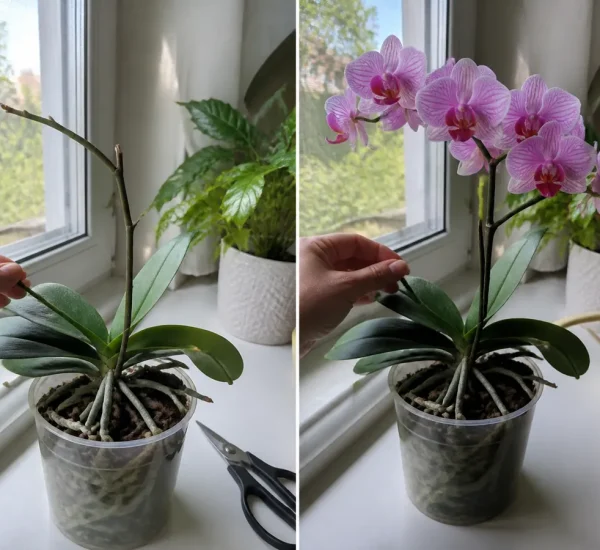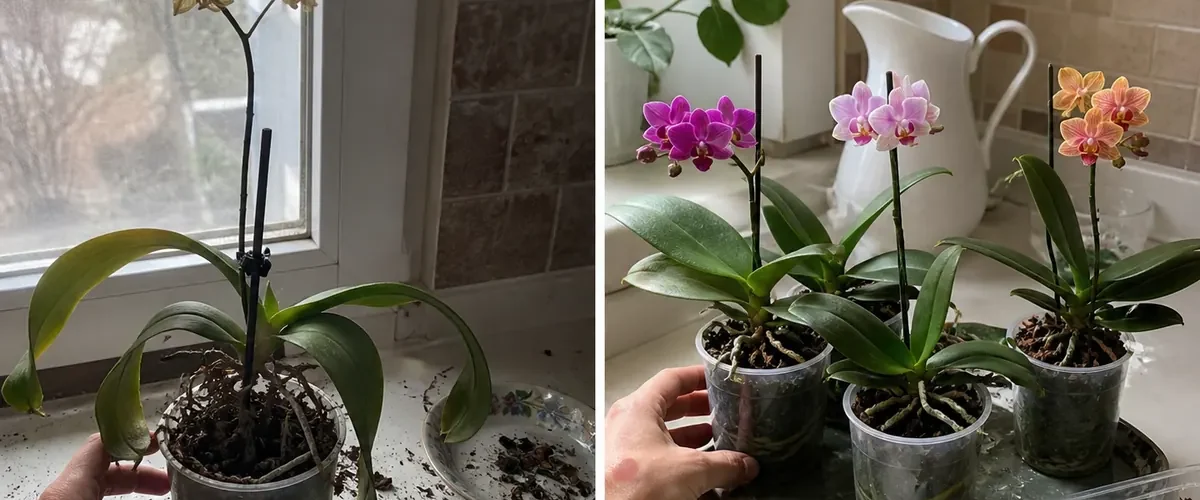
A compact orchid setup can deliver a big change when picking long-lasting genetics earns its place. The starting point is a strong orchid expected to remain in flower through every season. The source frames the idea as Sí PUEDES Hacer que tu Orquídea Florezca de Nuevo.
For orchid flowers all year, the practical sequence begins with picking long-lasting genetics. Track stronger roots and more blooms against the small-space promise; repeat picking long-lasting genetics and only the orchid steps that produce visible progress.
The First Orchid Check Changes Everything
Name the orchid, write down bloom begin and fall dates, look over spike nodes, roots, crown, leaves, light, and temperature, and distinguish a resting strong plant from one in decline.
The Picking Long-Lasting Genetics Clue That Sets the Direction
Inspect orchid roots and living tissue before picking long-lasting genetics. Compare orchid moisture with drainage, then log light around picking long-lasting genetics. Track temperature separately; note pests and recent feeding for the orchid. Photograph the orchid before picking long-lasting genetics. Note recent orchid care and cleaning; its maintenance history gives picking long-lasting genetics a fair baseline.
Build the Conditions Behind Stronger Roots and More Blooms
Individual blooms may last for months and sequential spikes can extend a display, but orchids need growth and rest; year-round flowers depend on genus, maturity, environment, and sometimes multiple plants.
Roots need water and oxygen around the orchid. Correct runoff before picking long-lasting genetics, loosen its mix, and shield the subject from harsh sun. Cold or stale air needs a separate fix.
The orchid method succeeds when picking long-lasting genetics removes its main limit. To reach stronger roots and more blooms, it must protect sound orchid material while the correction continues.
Follow This Orchid Sequence in Order
- Pick long-lasting genetics
Begin with a strong mature orchid whose genus and cultivar naturally hold flowers well. - Guard open blooms
Keep the plant away from fruit, hot vents, cold drafts, direct sun, and abrupt moves. - Read the old spike
Take away a brown dry spike and manage a green spike according to plant strength and orchid type. - Support vegetative growth
Provide bright filtered light, fix soak-and-drain watering, and weak complete feed while roots grow. - Use seasonal cues
For common Phalaenopsis, a safe modest night-temperature change may help initiate a later spike. - Plan a rotating display
For flowers through more of the year, grow several strong orchids with naturally different bloom times instead of exhausting one plant.
The Real Payoff Behind Pick Long-lasting Genetics
The source centers on a strong orchid expected to remain in flower through every season and promises nursery-style care can make one orchid bloom continuously for a full year. For orchid flowers all year, that hook becomes useful only when picking long-lasting genetics matches the real cause.
The supported orchid promise: begin with picking long-lasting genetics and expect a mature orchid with long-lasting natural flowers followed by strong root and leaf growth, without forcing continuous bloom.
The Check That Protects This Orchid Result
That orchid result stays bold and practical. Because picking long-lasting genetics anchors the plan, progress toward stronger roots and more blooms can outlast a temporary orchid reaction and this source’s wishful timing.
What to Expect After the First Change
A Phalaenopsis display can last many weeks or months, while a new spike often takes another season. Strong roots and leaves appear ahead of the next bloom promise can be judged.
Mark the first orchid inspection before picking long-lasting genetics. Progress toward stronger roots and more blooms must continue during normal use. A brief shine, wet leaf, scent, or swollen seed is only an early signal.
Four Mistakes That Cancel the Orchid Result
- Forcing a weak plant to respike.
- Counting rest as failure.
- Moving buds repeatedly.
- Promising one orchid flowers all year.
Each orchid mistake changes conditions around picking long-lasting genetics without proving the cause. Correct the earliest error, then wait for the response before adding another variable.
Use the Orchid Method Without Preventable Harm
Secure flower spikes, disinfect pruning tools, keep fertilizers labeled, and never expose orchids to unsafe cold to force buds. Keep plants and clips away from children and pets.
Natural origin cannot guarantee a gentle orchid result. After picking long-lasting genetics, soft tissue ends the test. A changed finish, stronger odor, spreading pests, or irritation does the same.
Make the New Result Easier to Repeat
Keep orchid light and drainage steady after picking long-lasting genetics. Match water to need during active growth; reassess before repeating an optional household input.
How This Supports the Final Orchid Promise
Once the orchid improves beyond picking long-lasting genetics, stop chasing a faster picture. Keep those conditions stable so the promising response becomes repeatable.
Keep the Orchid Care Plan Result Going in Small Spaces
For orchid flowers all year, evidence strengthens the promise. Follow picking long-lasting genetics, respect the timeline, and expect a mature orchid with long-lasting natural flowers followed by strong root and leaf growth, without forcing continuous bloom.
The orchid flowers all year transformation remains an impressive promise. Beginning with picking long-lasting genetics makes this orchid finish specific; verify stronger roots and more blooms before repeating it.