The best compact garlic spray for aphids secret improves results through looking over the whole plant, without clutter or risky mixtures. The starting point is plants crowded with sap-sucking aphids. The source frames the idea as The Unexpected Kitchen Ingredient That Keeps Aphids Off Your Plants.
For garlic spray for aphids, the practical sequence begins with looking over the whole plant. Track healthier leaves without pest damage against the small-space promise; repeat looking over the whole plant and only the aphid control steps that produce visible progress.
Build the Conditions Behind Healthier Leaves Without Pest Damage
Garlic odor is not a dependable long-term barrier, while concentrated homemade sprays can scorch leaves and harm insects that help the garden.
The Aphid Control Signal Worth Recording
Roots need water and oxygen around the aphid control. Correct runoff before looking over the whole plant, loosen its mix, and shield the subject from harsh sun. Cold or stale air needs a separate fix.
The aphid control method succeeds when looking over the whole plant removes its main limit. To reach healthier leaves without pest damage, it must protect sound aphid control material while the correction continues.
A Bold but Supported Result From Look Over the Whole Plant
The source centers on plants crowded with sap-sucking aphids and promises a strong garlic brew keeps aphids away and can also enrich the soil. For garlic spray for aphids, that hook becomes useful only when looking over the whole plant matches the real cause.
The supported aphid control promise: begin with looking over the whole plant and expect clean new plant growth with only a few aphids, intact leaves, and beneficial insects still active nearby.
That aphid control result stays bold and practical. Because looking over the whole plant anchors the plan, progress toward healthier leaves without pest damage can outlast a temporary aphid control reaction and this source’s wishful timing.
Read the Starting Clues Around Your Aphid Control
Confirm the pests are aphids: look for soft pear-shaped insects clustered on tender shoots, shed white skins, sticky honeydew, and curled leaves.
The Looking Over The Whole Plant Clue That Sets the Direction
Inspect aphid control roots and living tissue before looking over the whole plant. Compare aphid control moisture with drainage, then log light around looking over the whole plant. Track temperature separately; note pests and recent feeding for the aphid control. Photograph the aphid control before looking over the whole plant. Note recent aphid control care and cleaning; its maintenance history gives looking over the whole plant a fair baseline.
Start the Aphid Control Reset With These Moves
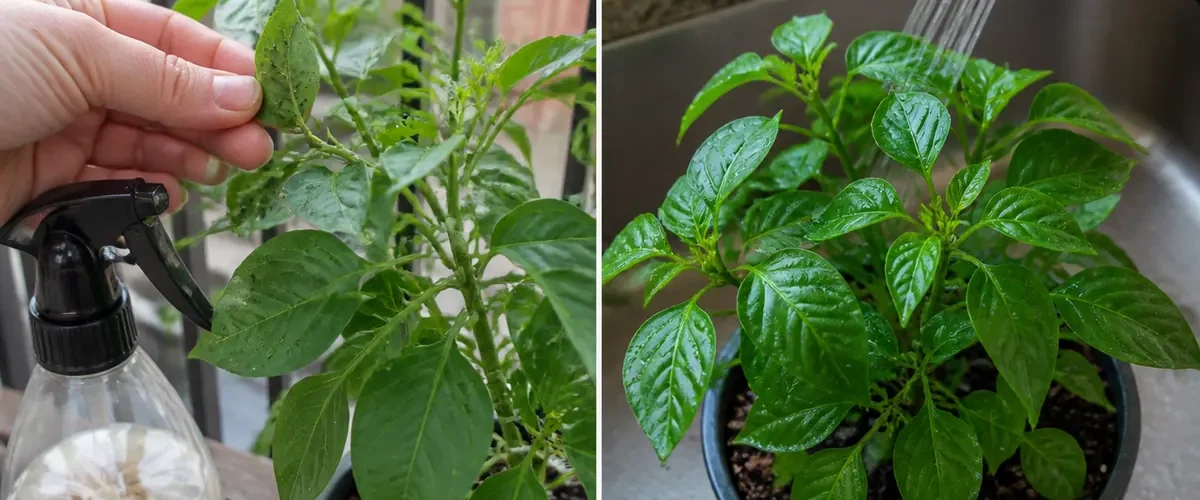
Look over the whole plant
Look at shoot tips and leaf undersides, then look for lady beetles, lacewing larvae, or swollen parasitized aphids ahead of spraying anything.
Take away small colonies
Pinch off one badly crowded shoot when that will not harm the plant, then seal it in garden waste.
Use plain water
Support the stem and direct a firm stream at leaf undersides. Dislodged aphids often fail to return to the feeding site.
Complete the Sequence and Protect the Result
- Control the ants
Reduce ant access with appropriate barriers since ants may guard aphids in exchange for sweet honeydew. - Escalate carefully
If harm continues, pick insecticidal soap or horticultural oil labeled for the exact plant and pest, then follow every direction. - Guard new growth
Avoid excess nitrogen, improve spacing, and look over tender shoots twice a week so the next colony is found early.
When Aphid Control Progress Should Become Visible
Recheck the plant two or three days when finished with each low-risk control. A falling aphid count and undamaged new growth matter more than a strong smell.
What Changes Next for the Aphid Control
Mark the first aphid control inspection before looking over the whole plant. Progress toward healthier leaves without pest damage must continue during normal use. A brief shine, wet leaf, scent, or swollen seed is only an early signal.
A Strong Result Still Needs These Limits
Test any labeled spray on a small spot first, wear the protection stated on its label, and never combine pesticides or apply them to edible plants unless that use is specifically allowed.
Natural origin cannot guarantee a gentle aphid control result. After looking over the whole plant, soft tissue ends the test. A changed finish, stronger odor, spreading pests, or irritation does the same.
Your Quick Aphid Control Success Checklist
- Look over the whole plant
- Take away small colonies
- Use plain water
- Control the ants
- Escalate carefully
- Guard new growth
Keep this aphid control list beside the work area. Beginning with looking over the whole plant makes the sequence repeatable and prevents an exciting ingredient from replacing the conditions behind the result.
Keep the Aphid Control Plan Result Going in Small Spaces
A lasting aphid control result grows from looking over the whole plant. Match each action to its cause and reach clean new plant growth with only a few aphids, intact leaves, and beneficial insects still active nearby.
The garlic spray for aphids transformation remains an impressive promise. Beginning with looking over the whole plant makes this aphid control finish specific; verify healthier leaves without pest damage before repeating it.