A compact garden tool and pot cleaning setup can deliver a big change when cleaning empty pots earns its place. The starting point is ten viral garden uses for baking soda.
For baking soda in the garden, the practical sequence begins with cleaning empty pots. Track cleaner tools and healthier plants against the small-space promise; repeat cleaning empty pots and only the garden tool and pot cleaning steps that produce visible progress.
A Bold but Supported Result From Clean Empty Pots
The source centers on ten viral garden uses for baking soda and promises baking soda fertilizes tomatoes, kills weeds and pests, fixes pH, softens water, and stops plant diseases. For baking soda in the garden, that hook becomes useful only when cleaning empty pots matches the real cause.
The supported garden tool and pot cleaning promise: begin with cleaning empty pots and expect clean garden tools and strong untreated plants growing in tested soil without white soda residue.
That garden tool and pot cleaning result stays bold and practical. Because cleaning empty pots anchors the plan, progress toward cleaner tools and healthier plants can outlast a temporary garden tool and pot cleaning reaction and this source’s wishful timing.
The Missing Link Between the Claim and Result
Baking soda is useful for cleaning some hard surfaces, but repeated soil or leaf applications add sodium and can injure plants.
Roots need water and oxygen around the garden tool and pot cleaning. Correct runoff before cleaning empty pots, loosen its mix, and shield the subject from harsh sun. Cold or stale air needs a separate fix.
The First Garden Tool and Pot Cleaning Check Changes Everything
The Check That Protects This Garden Tool and Pot Cleaning Result
Separate tool-cleaning jobs from living-plant treatments. Then test soil pH or name the pest or disease instead of treating a guess.
The Cleaning Empty Pots Clue That Sets the Direction
Inspect garden tool and pot cleaning roots and living tissue before cleaning empty pots. Compare garden tool and pot cleaning moisture with drainage, then log light around cleaning empty pots. Track temperature separately; note pests and recent feeding for the garden tool and pot cleaning. Photograph the garden tool and pot cleaning before cleaning empty pots. Note recent garden tool and pot cleaning care and cleaning; its maintenance history gives cleaning empty pots a fair baseline.
The Complete Garden Tool and Pot Cleaning Action Plan
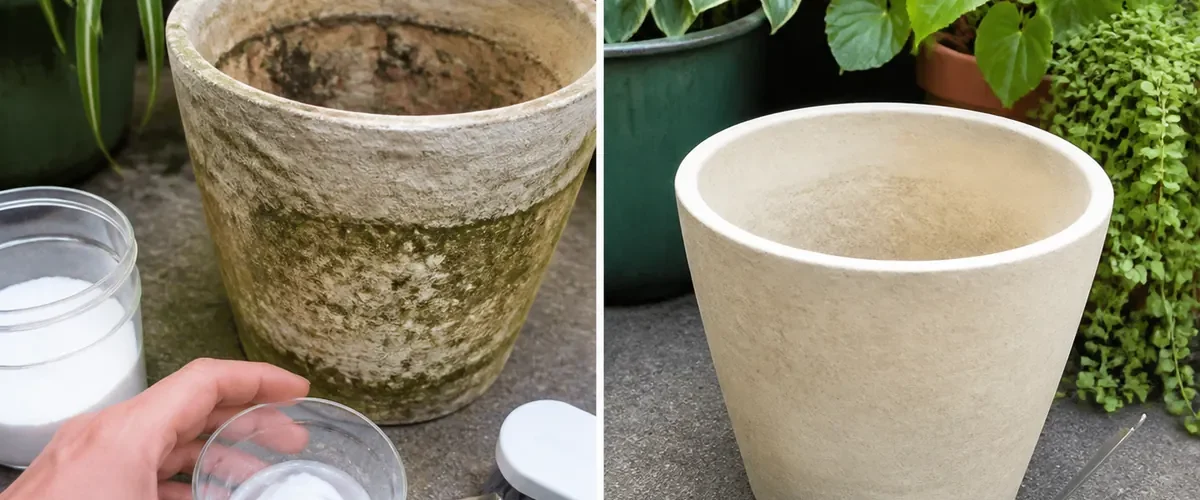
- Clean empty pots: Use a mild baking-soda paste on suitable hard container surfaces, scrub, and rinse completely ahead of adding fresh mix.
- Freshen washable tools: Scrub soil from sturdy hand tools, rinse, dry, and oil metal parts as needed. Baking soda does not sterilize every pathogen.
- Test soil ahead of amending: Use a real pH test and follow local recommendations. Never sprinkle sodium bicarbonate around acid-loving plants.
- Name leaf disease: Compare symptoms carefully and take away badly affected tissue. If treatment is needed, pick a option labeled for that plant.
- Control weeds directly: Pull or hoe weeds while young, mulch bare soil, and avoid dumping soda where nearby roots can absorb sodium.
- Improve compost correctly: Balance moist green and dry brown materials and add air. A smelly pile needs management, not deodorizing powder.
A Simple Decision Rule for Your Garden Tool and Pot Cleaning
If the garden tool and pot cleaning improves after cleaning empty pots, keep those conditions steady. If nothing changes, return to the diagnosis instead of doubling the amount.
Pause When the Garden Tool and Pot Cleaning Evidence Changes
How This Supports the Final Garden Tool and Pot Cleaning Promise
New rot, scorch, residue, odor, pests, or stalled growth can overturn the diagnosis. Remove the optional input around cleaning empty pots, protect sound material, and choose the next move from fresh evidence.
Where This Promising Method Usually Goes Wrong
- Assuming a kitchen option is harmless at any dose.
- Using baking soda as tomato plant food.
- Trying to soften irrigation water by adding more sodium.
- Spraying untested mixtures across flowers and tender leaves.
Each garden tool and pot cleaning mistake changes conditions around cleaning empty pots without proving the cause. Correct the earliest error, then wait for the response before adding another variable.
How to Know the Method Is Really Working
Photograph the garden tool and pot cleaning from one angle after cleaning empty pots. Track new roots and leaves, then count its buds or fruit. Include moisture; make a comparison after cleaning empty pots when practical.
Use More Than One Garden Tool and Pot Cleaning Sign
- Record the garden tool and pot cleaning change.
- Check around cleaning empty pots for a second garden tool and pot cleaning problem.
- Compare the garden tool and pot cleaning result after normal care resumes.
The promise is fulfilled when cleaner tools and healthier plants becomes visible. Around cleaning empty pots, the surrounding garden tool and pot cleaning system must remain healthy, clean, or controlled.
Turn One Good Result Into a Reliable Routine
Keep garden tool and pot cleaning light and drainage steady after cleaning empty pots. Match water to need during active growth; reassess before repeating an optional household input.
Once the garden tool and pot cleaning improves beyond cleaning empty pots, stop chasing a faster picture. Keep those conditions stable so the promising response becomes repeatable.
Use the Garden Tool and Pot Cleaning Method Without Preventable Harm
Never mix baking soda with garden chemicals or cleaners. Wear eye protection while scrubbing overhead items, rinse tools well, and keep powders away from children and pets.
Natural origin cannot guarantee a gentle garden tool and pot cleaning result. After cleaning empty pots, soft tissue ends the test. A changed finish, stronger odor, spreading pests, or irritation does the same.
Keep the Garden Tool and Pot Cleaning Plan Result Going in Small Spaces
Keep the garden tool and pot cleaning goal bold, but earn it through cleaning empty pots. The finish should be clean garden tools and strong untreated plants growing in tested soil without white soda residue.