One bare orchid can return to bloom on a small sill when the finished spike is cut according to color and plant strength. Yes, You Can Make Your Orchid Bloom Again uses a post-bloom orchid being given one simple cutting and care routine to make it flower year after year to claim that cutting the old flower spike in the right place reliably produces another lush orchid display.
The compact goal is to make an orchid bloom again. A compact post-bloom cycle can deliver a bare post-bloom moth orchid completing a clean recovery cycle and raising a fresh basal spike with a full believable display.
Clear One Post-Bloom Spike-or-Base Decision Work Zone
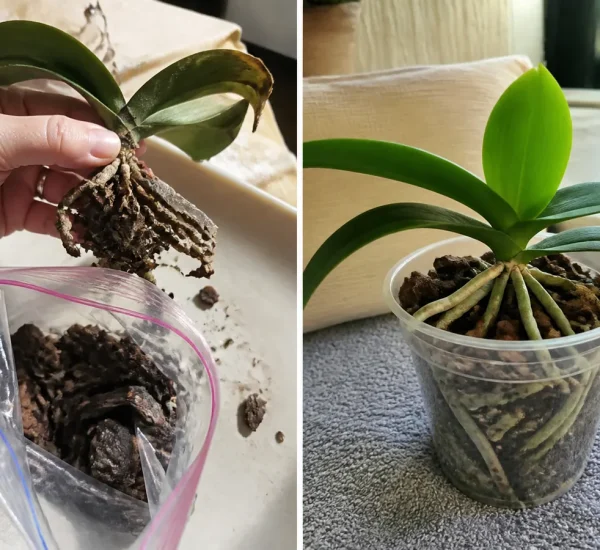
For the compact post-bloom spike-or-base decision check, confirm the orchid type, then inspect spike color from base to tip, nodes, roots, newest leaf, plant maturity, bloom duration, pests, medium age, pot drainage, light, temperature, watering, fertilizer, and whether the plant is strong enough for a quick side branch or should rebuild for a later basal spike.
While testing post-bloom spike-or-base decision, keep nearby plants, food, tools, and personal items outside the work area. One clear before photograph and one marked check point are enough to make the compact result honest.
The Six-Move Post-Bloom Spike-or-Base Decision Routine
- Name the orchid before cutting. Use the old-node decision only for a Phalaenopsis; check a reliable care guide for Dendrobium, Cattleya, Oncidium, and other growth habits.
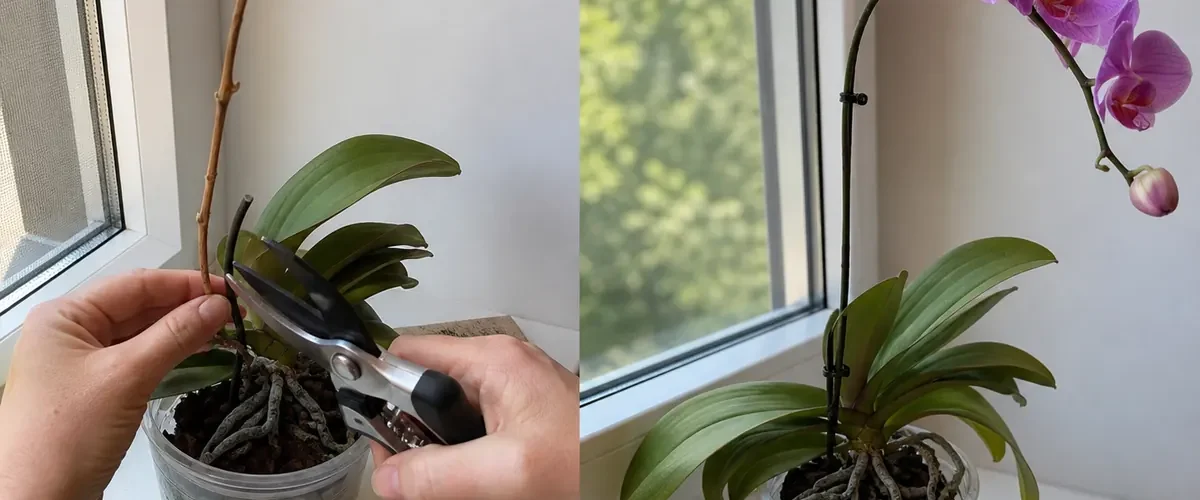
- Follow the spike color. Remove a fully brown dry spike near its base, but inspect a green spike and the plant’s strength before choosing a possible node rebloom.
- Choose speed or recovery. For a robust plant, cut above a healthy unused node for a chance of a smaller side display; for a weak plant, cut near the base and favor new roots and leaves.
- Sterilize the cutting tool. Make one clean cut without crushing the spike, injuring the crown, or spreading disease between orchids.
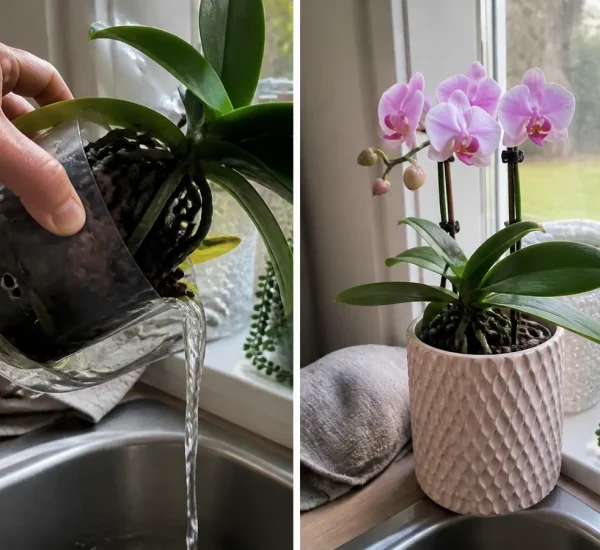
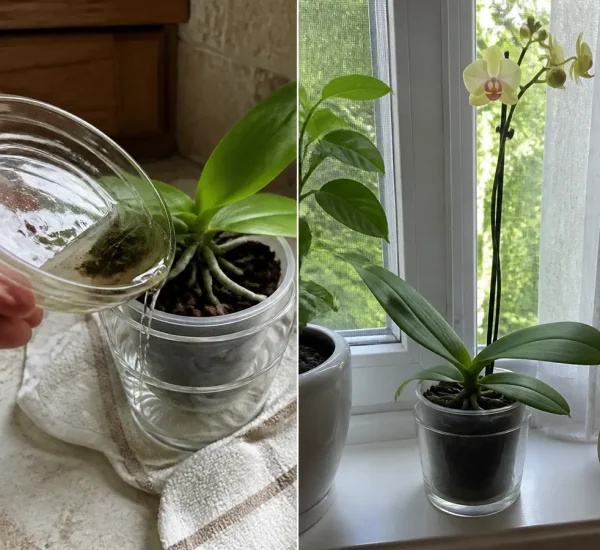
- Build the next mature growth. Give suitable bright light, an airy root zone, thorough drainage, species-appropriate watering, and weak complete fertilizer during active growth.
- Protect the emerging spike. Provide the normal seasonal temperature cue, identify the new spike correctly, stake only as it lengthens, and avoid moving a plant carrying tender buds.
Wait for the Post-Bloom Spike-or-Base Decision Without Adding Clutter
For this small post-bloom spike-or-base decision setup, a side branch from a green Phalaenopsis spike may appear in weeks, but it is not guaranteed and can be smaller. A new basal spike usually follows the plant’s seasonal rhythm after months of root and leaf growth; once buds form, stable conditions help them reach opening.
During the post-bloom spike-or-base decision wait, leave only the essential setup in place. Do not make another spike cut while the post-bloom orchid rebuilds for its chosen route.
Choose the Small-Space Post-Bloom Spike-or-Base Decision Promise
Inside this compact setup, phalaenopsis can sometimes rebloom from a green spike node, but a brown spike is finished and many other orchid types bloom from different growths. The cut is only a decision about where the plant spends energy. Mature growth, healthy roots, bright suitable light, careful watering, modest complete fertilizer, and the correct seasonal temperature cue create the next real bloom.
For one contained setup, the result to chase is a bare post-bloom moth orchid completing a clean recovery cycle and raising a fresh basal spike with a full believable display. Keep every move tied to matching one clean spike decision to the plant’s health, then maintaining enough root and leaf energy for the next natural flowering cycle, so the method remains easy to stop, clean, and repeat.
Make the Post-Bloom Spike-or-Base Decision Fit the Same Footprint
Start with name the orchid before cutting, follow the spike color, choose speed or recovery; they address the cause before another bottle, pot, or tool is added. Return unused materials to storage as soon as the first correction is complete.
Finish with sterilize the cutting tool, build the next mature growth, protect the emerging spike. That compact chain supports matching one clean spike decision to the plant’s health, then maintaining enough root and leaf energy for the next natural flowering cycle and leaves the small area with a bare post-bloom moth orchid completing a clean recovery cycle and raising a fresh basal spike with a full believable display, not a second cleanup project.
Close the Post-Bloom Spike-or-Base Decision Routine Cleanly
For a safe compact post-bloom spike-or-base decision routine, disinfect pruning tools and cut away from fingers, children, and pets. Secure stakes without piercing roots or creating eye hazards. Keep fertilizer and plant waste away from food areas, and isolate suspicious pests or disease before handling other orchids.
After post-bloom spike-or-base decision, remove waste responsibly and clean the tools, and return the area to normal use. The method has not worked if it leaves a hidden hazard behind.
Keep These Four Post-Bloom Spike-or-Base Decision Problems Out
- cutting every orchid like a Phalaenopsis. For post-bloom spike-or-base decision, it adds clutter without solving the strongest limit.
- keeping a brown dead spike. For post-bloom spike-or-base decision, it can spread residue, moisture, pests, or stress beyond the test area.
- forcing a node on a weak plant. For post-bloom spike-or-base decision, it turns one contained routine into repeated cleanup.
- moving the pot after buds form. For post-bloom spike-or-base decision, it sacrifices a stable result for a fast-looking change.
This Surprising Method Brings Back Orchid Flowers You Thought Were Gone: Keep the Compact Win
Keep the routine only when it leaves a bare post-bloom moth orchid completing a clean recovery cycle and raising a fresh basal spike with a full believable display inside the same clean footprint. Start at name the orchid before cutting, remove everything that did not help, and repeat the smallest successful version when the next normal-care cycle calls for it.