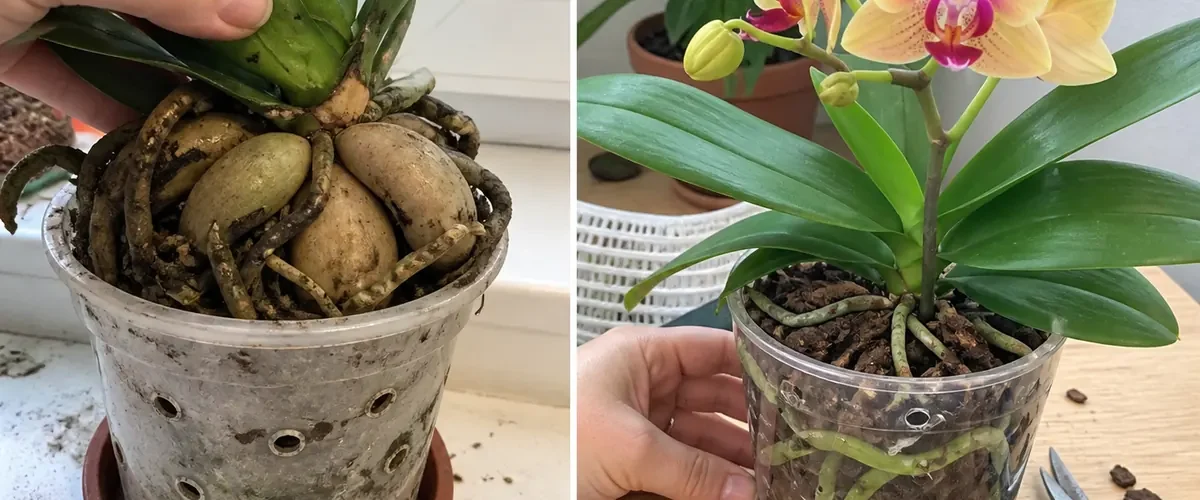
In a small home, kitchen, or garden, one struggling subject can dominate the whole space. Here the starting point is raw and cooked potato pieces tucked into orchid bark beside a plant that has stopped flowering. The source, Place this vegetable next to your orchid: it will flower almost instantly, answers it with a tempting promise: placing potato near an orchid supplies enough starch and minerals to make it bloom almost instantly.
A compact space needs a method that earns its footprint. The plan below aims for clean active roots and a beautiful later flower spike, with steps that are tidy, measurable, and easier to stop if the result turns the wrong way. That is how a dramatic change becomes useful instead of merely photogenic.
One Careful Check Changes the Whole Plan
Take away food scraps, then look over root firmness and color, crown condition, bark age, drainage, leaf strength, light duration, night temperature, species, and the date of the last bloom.
Clear a small orchid root recovery work zone and protect nearby floors, fabrics, plants, food, and shared air. Test one subject or one hidden area before treating the entire space.
What the Bold Orchid Root Recovery Claim Leaves Out
Potato pieces and cooking water are not a complete measured orchid plant food, can sour inside bark, and cannot trigger instant flowers; Phalaenopsis blooming depends mainly on strong roots, bright filtered light, maturity, and seasonal cues.
In limited space, a weak method creates odor, clutter, runoff, or repeated work very quickly. A cleaner sequence can still reach clean active roots and a beautiful later flower spike without adding a second problem.
Why These Moves Create Clean Active Roots and a Beautiful Later Flower Spike
Plants recover when roots, moisture, light, temperature, and nutrition are corrected in the right order. The first move, clear food from the bark, sets the baseline. The next moves, look over every visible root and restore an airy orchid container, protect the living system that must create new growth.
The fifth move, water and feed by growth, supports the plant after the first visible change; the final move, use a gentle seasonal cue, confirms its direction. Together they make clean active roots and a beautiful later flower spike a result of functioning roots and steady care rather than a short-lived surface effect.
Build the Result in Six Practical Moves
Clear Food from the Bark
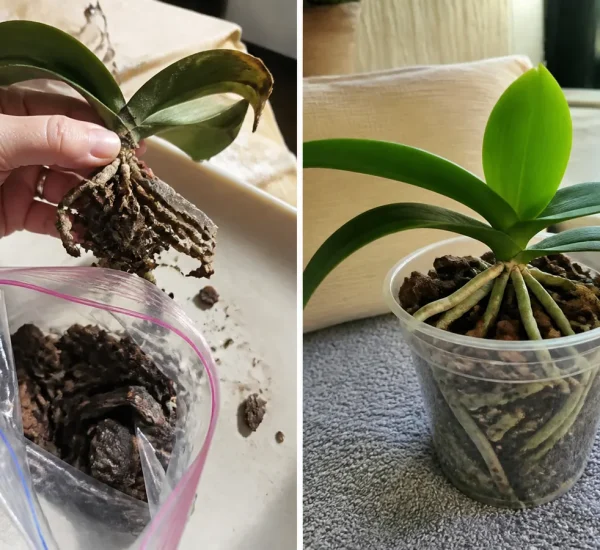
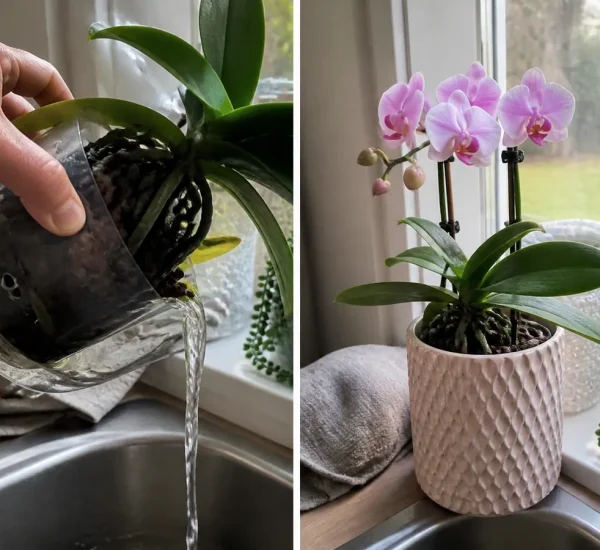
Take away potato, peel, ash, or other kitchen residue and flush the container if the potting mix smells sour or feels sticky.
Look Over Every Visible Root
Separate firm green or silver roots from dark hollow tissue and repot only when the potting mix or root system truly needs it.
Restore an Airy Orchid Container
Use fresh coarse orchid bark and a ventilated draining container, keeping the crown above the potting mix.
Increase Filtered Light Safely
Move the orchid closer to bright indirect light in stages while shielding leaves from harsh midday sun.
Water and Feed By Growth
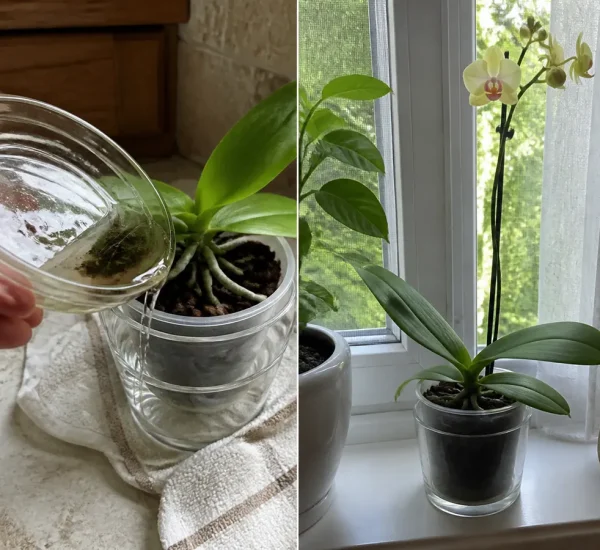
Water when roots turn silvery and bark nears dryness, then use a complete labeled orchid plant food at a weak stated rate during active growth.
Use a Gentle Seasonal Cue
For common Phalaenopsis, maintain strong roots and allow a modest safe night-temperature drop when the plant is mature enough to spike.
Prove the Orchid Root Recovery Result With More Than One Signal
Use one plant or container as the first orchid root recovery trial. Mark it discreetly and keep neighboring plants out so runoff, pests, shade, or a second treatment cannot confuse the result.
Repeat only after the test plant stays stable through normal care. In a small space, the best proof is clean active roots and a beautiful later flower spike with easy cleanup and no spillover into the rest of the room or garden.
A Believable Timeline for Clean Active Roots and a Beautiful Later Flower Spike
Fresh root tips may appear over several weeks when finished with conditions improve. A new seasonal flower spike usually takes months, and developed buds need additional time to open.
Keep the orchid root recovery setup steady while you wait. Repeatedly moving, feeding, watering, or repotting can hide which action helped and add fresh stress.
Avoid These Errors Before Repeating the Method
- Burying potato in orchid bark. It may improve one photograph while the wider orchid root recovery system declines.
- Pouring salted cooking water into the container. It adds a new variable before the orchid root recovery cause is understood.
- Feeding damaged dry roots. It can delay the useful correction and prolong the original orchid root recovery problem.
- Promising flowers within days. It makes the promised finish harder to separate from normal change.
Stop the Test if Any of These Limits Are Crossed
Discard spoiled food mixtures, disinfect cutting tools, keep water out of the crown, and never expose an orchid to unsafe cold or direct hot sun in an attempt to force flowers.
Keep the orchid root recovery area tidy, control runoff, and store every material away from food, children, and pets. Clean the work zone before normal care resumes.
Put One Vegetable Near Orchids and See Flowers Appear Fast: The Result Worth Keeping
The best small-space transformation is impressive because it stays controlled. Begin with clear food from the bark, change one important condition at a time, and keep the routine only when it delivers clean active roots and a beautiful later flower spike without creating extra work nearby.