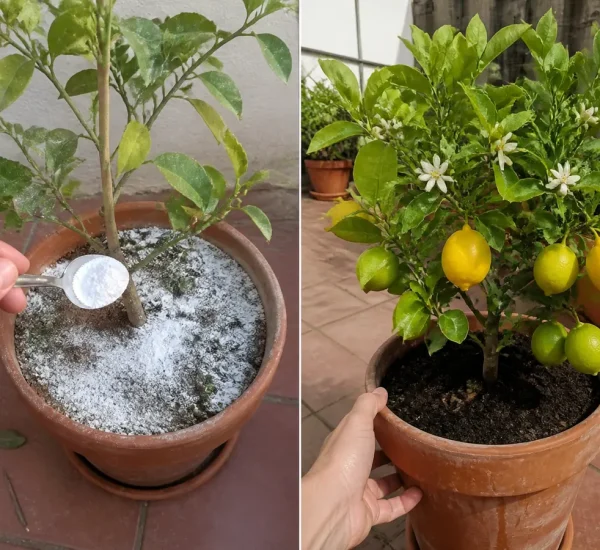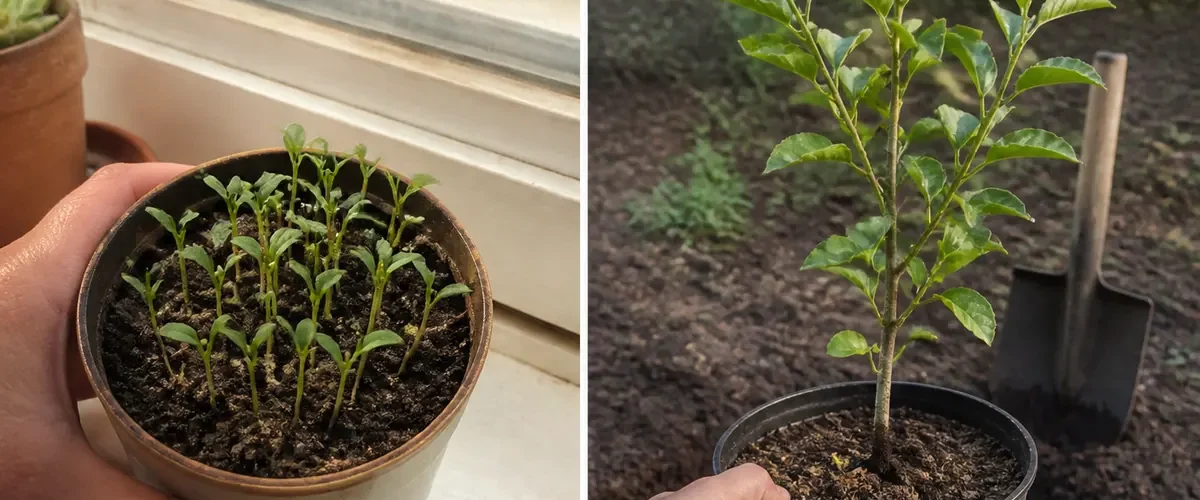
In a small home, kitchen, or garden, one struggling subject can dominate the whole space. Here the starting point is fresh apple seeds being planted directly in a warm container and expected to copy the parent fruit. The source, Cultivating Abundant Apple Trees from Seeds: A Step-by-Step Guide to Growing Fruitful Orchard, answers it with a tempting promise: a favorite apple seed can quickly become the same abundant fruit tree at home.
A compact space needs a method that earns its footprint. The plan below aims for a strong young tree with a believable path to future fruit, with steps that are tidy, measurable, and easier to stop if the result turns the wrong way. That is how a dramatic change becomes useful instead of merely photogenic.
What the Bold Apple Seed Growing Claim Leaves Out
Apple seedlings are genetically different from the fruit they came from, most need a moist cold-stratification period ahead of germination, and an ungrafted tree may take many years to fruit.
In limited space, a weak method creates odor, clutter, runoff, or repeated work very quickly. A cleaner sequence can still reach a strong young tree with a believable path to future fruit without adding a second problem.
One Careful Check Changes the Whole Plan
Confirm that the seeds are full and undamaged, decide whether the project is for learning, rootstock, or future fruit, and look at chilling time, local climate, long-term space, pollination partners, and drainage.
Clear a small apple seed growing work zone and protect nearby floors, fabrics, plants, food, and shared air. Test one subject or one hidden area before treating the entire space.
Why These Moves Create a Strong Young Tree with a Believable Path to Future Fruit
Plants recover when roots, moisture, light, temperature, and nutrition are corrected in the right order. The first move, clean several viable seeds, sets the baseline. The next moves, give seeds a cold start and sow one sprouted seed per container, protect the living system that must create new growth.
The fifth move, pot up and harden gradually, supports the plant after the first visible change; the final move, plan for grafting and pollination, confirms its direction. Together they make a strong young tree with a believable path to future fruit a result of functioning roots and steady care rather than a short-lived surface effect.
Six Moves That Make the Promise Believable
Clean Several Viable Seeds
Rinse away every trace of fruit, check for damage, and begin several seeds since germination is never guaranteed.
Give Seeds a Cold Start
Wrap the seeds in barely damp paper inside a labeled vented bag and refrigerate them, checking regularly for mold or early roots.
Sow One Sprouted Seed Per Container
Place each rooted seed in draining seed mix with the new root pointing down, then cover lightly instead of packing the surface.
- Provide bright growing light. Keep the mix evenly moist, take away any humidity cover after emergence, and give the seedling strong light so its stem stays compact.
- Pot up and harden gradually. Move a rooted seedling into a deeper container, then introduce outdoor sun and wind over about a week ahead of permanent planting.
- Plan for grafting and pollination. Give the future tree full sun and mature spacing, or graft a known cultivar later if predictable fruit quality and timing matter.
A Believable Timeline for a Strong Young Tree with a Believable Path to Future Fruit
Cold stratification commonly takes six to twelve weeks, germination may take several more weeks, and a seed-grown apple can need six to ten years or longer ahead of its first fruit.
Keep the apple seed growing setup steady while you wait. Repeatedly moving, feeding, watering, or repotting can hide which action helped and add fresh stress.
Stop the Test if Any of These Limits Are Crossed
Never eat quantities of crushed apple seeds. Label refrigerated seed bags as nonfood projects, sanitize moldy materials, use pruning tools carefully, and plan safe support for future ladder work.
Keep the apple seed growing area tidy, control runoff, and store every material away from food, children, and pets. Clean the work zone before normal care resumes.
Avoid These Errors Before Repeating the Method
- Expecting a seedling to clone the apple. It can spread residue, stress, or pests beyond the first apple seed growing test.
- Skipping cold stratification. It hides the apple seed growing cause and makes the next decision less reliable.
- Keeping plastic over an emerged seedling. It can create damage before a strong young tree with a believable path to future fruit has time to appear.
- Promising fruit in one or two seasons. It changes too many apple seed growing conditions to show what truly worked.
Prove the Apple Seed Growing Result With More Than One Signal
Use one plant or container as the first apple seed growing trial. Mark it discreetly and keep neighboring plants out so runoff, pests, shade, or a second treatment cannot confuse the result.
Repeat only after the test plant stays stable through normal care. In a small space, the best proof is a strong young tree with a believable path to future fruit with easy cleanup and no spillover into the rest of the room or garden.
Plant Apple Seeds This Way and Watch Young Trees Grow Strong: The Result Worth Keeping
The best small-space transformation is impressive because it stays controlled. Begin with clean several viable seeds, change one important condition at a time, and keep the routine only when it delivers a strong young tree with a believable path to future fruit without creating extra work nearby.