Hanging Eggplants: A Guide to Thriving Home Cultivation with Bountiful Yields
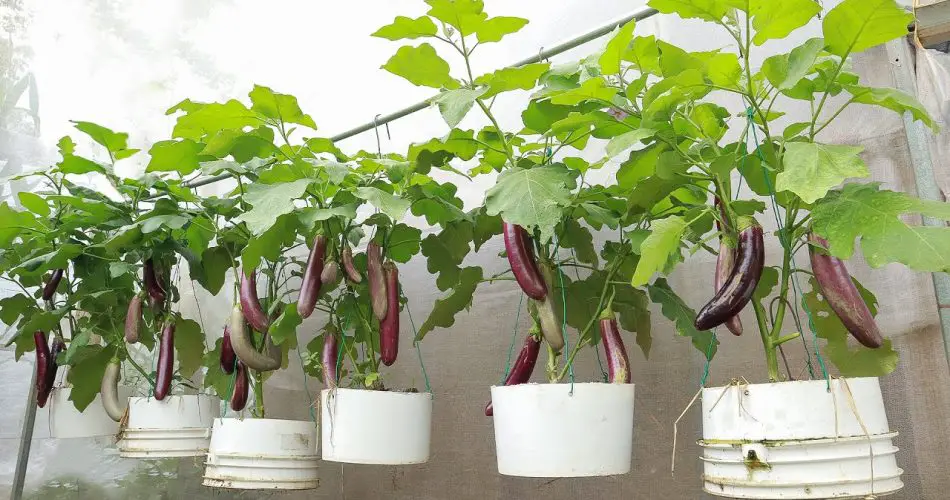
Picture this: succulent eggplants dangling gracefully from hanging containers, turning your home into a mini oasis of fresh produce. Growing hanging eggplants at home is not only possible but surprisingly easy, offering not just a beautiful visual spectacle but also a bountiful harvest. In this guide, we’ll explore the amazing world of cultivating hanging eggplants, providing you with tips to ensure a thriving plant with impressive yields.
Choosing the Right Variety: Before delving into the growing process, it’s essential to choose a hanging-friendly eggplant variety. Compact and dwarf varieties work exceptionally well for hanging baskets or containers. Look for cultivars specifically bred for container gardening or hanging, ensuring they are well-suited for the limited space.
Setting Up Hanging Containers:
- Select Sturdy Hanging Baskets: Choose sturdy hanging baskets or containers with good drainage. Hanging containers come in various materials, from traditional clay to modern synthetic options. Ensure they are equipped with strong hooks or hangers to support the weight of growing eggplants.
- Well-Draining Potting Mix: Use a high-quality, well-draining potting mix enriched with organic matter. Adequate drainage is crucial to prevent waterlogging, ensuring the health of your hanging eggplants.
Planting Process:
- Start with Quality Seeds or Seedlings: Acquire high-quality eggplant seeds or seedlings from reputable sources. Consider starting seeds indoors before transplanting to ensure a head start in the growing season.
- Spacing and Planting Depth: Plant the eggplants at appropriate intervals within the hanging container, ensuring they have enough space to grow. Follow the recommended planting depth for your chosen eggplant variety.
Caring for Hanging Eggplants:
- Sunlight Requirements: Hang the containers in a location that receives at least 6-8 hours of sunlight daily. Eggplants thrive in full sunlight, contributing to robust growth and increased yields.
- Regular Watering: Maintain a consistent watering schedule, keeping the soil consistently moist. Hanging containers may dry out more quickly, so monitor the moisture levels regularly.
- Fertilization: Feed your hanging eggplants with a balanced fertilizer to provide essential nutrients for optimal growth. Follow the recommended dosage on the fertilizer packaging.
- Support for Growing Plants: As your eggplants develop and produce fruit, consider providing support to the hanging containers to prevent strain on the hooks. This can be especially important as the plants become heavier with a bountiful harvest.
Harvesting Hanging Eggplants:
- Timing is Key: Harvest the eggplants when they reach the desired size and firmness. Regular harvesting encourages continuous fruit production.
- Use Pruning Wisely: Prune your hanging eggplants selectively to promote better air circulation and prevent overcrowding. This can result in healthier plants and increased yields.
Cultivating hanging eggplants at home is a remarkable way to maximize limited space while enjoying a visually stunning and rewarding harvest. By choosing the right variety, setting up suitable hanging containers, and providing proper care, you can turn your home into a thriving haven of hanging eggplants, ensuring a season of delightful culinary possibilities and vibrant greenery.