When growing an avocado tree (Persea americana) in your garden or home, seeing yellow leaves is a clear sign of trouble. This condition, if not addressed quickly, can impact the overall health and fruit production of the tree. In this article, we’ll explain why your avocado tree might develop yellow leaves and how to solve the problem to ensure your tree remains healthy and productive.

Why Are the Leaves on My Avocado Tree Yellow?
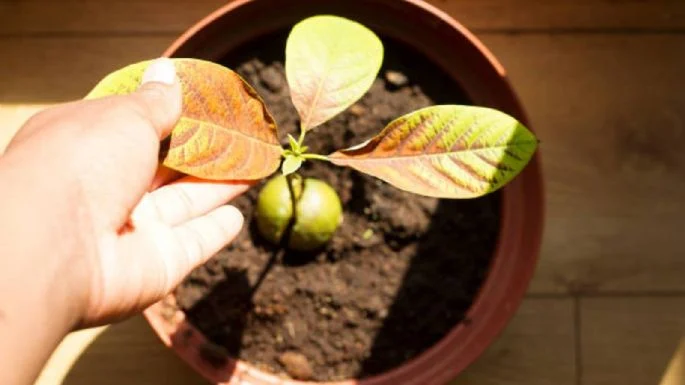
Yellow leaves on an avocado tree typically signal nutrient deficiencies. One of the most common causes is a lack of nitrogen and iron, which are crucial for healthy leaf growth. This condition, known as chlorosis, occurs when the tree’s leaves do not have enough chlorophyll to carry out photosynthesis. Without chlorophyll, the leaves start to turn yellow, dry out, and eventually fall off.
Chlorosis is not only an aesthetic issue; it also makes the tree more susceptible to pests and fungal infections, which can further harm the avocado plant.
What Causes Yellow Leaves in Avocado Trees?

- Nitrogen and Iron Deficiency: When there is a lack of these essential nutrients, the tree struggles to produce healthy leaves, and early defoliation can occur. The leaves will likely fall off before the tree blooms or produces fruit.
- Soil pH Issues: Avocado trees have very demanding roots. If the soil’s pH is not within the ideal range of 5 to 7, the tree cannot absorb nutrients properly, leading to yellowing leaves. Poor soil pH can also weaken the tree’s health, making it more vulnerable to diseases and pests.
- Improper Drainage: Avocado trees need well-draining soil. Whether planted in the ground or a pot, poor drainage can lead to root rot or other root problems, which, in turn, cause the leaves to turn yellow.
What to Do if Your Avocado Tree’s Leaves Turn Yellow

If you notice yellowing leaves on your avocado tree, act quickly to prevent the issue from spreading. Here are some effective solutions:
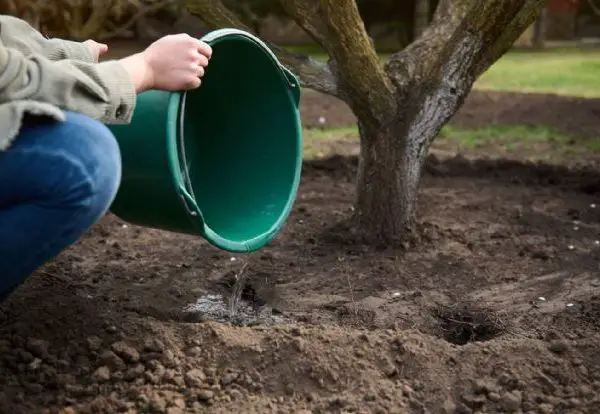
- Fertilize with Nitrogen and Iron: Apply a fertilizer that is rich in nitrogen and iron. These nutrients help restore healthy leaf growth and prevent further yellowing.
- Check the Soil pH: Ensure that the soil pH is within the ideal range of 5 to 7. You can use a simple pH test kit to check this. If needed, adjust the pH using organic amendments like compost or sulfur to bring it into balance.
- Improve Soil Drainage: Make sure the soil provides adequate drainage. If your avocado tree is in a pot, ensure the pot has drainage holes. If it’s planted in the ground, consider adding organic matter or sand to improve the drainage capacity.
Conclusion
Yellow leaves on an avocado tree are a sign that something is wrong with the tree’s health, typically due to nutrient deficiencies, improper soil pH, or poor drainage. By addressing these issues promptly—such as adding the right fertilizer, adjusting the soil pH, and improving drainage—you can help your avocado tree recover and continue to grow healthily. Early intervention is key to ensuring that your avocado tree thrives and produces lush green leaves and delicious fruit.