One aphid-covered pot is enough to prove a gentle pest plan works before garlic alcohol reaches an entire balcony. Just 1 teaspoon is enough to make any plant beautiful, fruitful, lush and healthy! uses garlic powder buried in soil plus concentrated garlic alcohol, boiled infusion, and homemade leaf sprays used on every garden plant to claim that one teaspoon of garlic fertilizes any plant while killing fungi, bacteria, and all troublesome pests.
The compact goal is to control garden pests with garlic. A compact pest reset can deliver a plant with clearly visible soft-bodied pests moving to clean undamaged new growth and a sharply lower pest count without scorched leaves or harmed beneficial insects.
Clear One Garlic-Spray One-Plant Pest Trial Work Zone
For the compact garlic-spray one-plant pest trial check, identify the pest and life stage, then count insects on marked leaves and inspect eggs, honeydew, ants, predators, pollinators, leaf tenderness, heat, drought stress, existing sprays, edible-crop status, damage trend, nearby plants, and local product labels.
While testing garlic-spray one-plant pest trial, keep nearby food, utensils, tools, and personal items outside the work area. One clear before photograph and one marked check point are enough to make the compact result honest.
Make the Garlic-Spray One-Plant Pest Trial Fit the Same Footprint
Start with name and count the pest, use the physical reset, protect helpers and flowers; they address the cause before another bottle, trap, or tool is added. Return unused materials to storage as soon as the first correction is complete.
Finish with reject garlic alcohol, patch-test one leaf zone, recount before repeating. That compact chain supports bringing a confirmed soft-bodied pest population below a damaging level while preserving leaf tissue, pollinators, predators, food-crop safety, and clean soil and leaves the small area with a plant with clearly visible soft-bodied pests moving to clean undamaged new growth and a sharply lower pest count without scorched leaves or harmed beneficial insects, not a second cleanup project.
Choose the Small-Space Garlic-Spray One-Plant Pest Trial Promise
Inside this compact setup, garlic compounds can affect some insects, yet homemade concentration and plant response vary, alcohol can scorch foliage, and garlic is not complete fertilizer. Pest identification, physical removal, protected beneficial insects, a one-leaf patch test, and a product labeled for the crop and pest provide a safer path to a clean plant.
For one contained setup, the result to chase is a plant with clearly visible soft-bodied pests moving to clean undamaged new growth and a sharply lower pest count without scorched leaves or harmed beneficial insects. Keep every move tied to bringing a confirmed soft-bodied pest population below a damaging level while preserving leaf tissue, pollinators, predators, food-crop safety, and clean soil, so the method remains easy to stop, clean, and repeat.
The Six-Move Garlic-Spray One-Plant Pest Trial Routine
- Name and count the pest. Photograph and count insects on the same marked leaves so aphids, mites, scale, larvae, and harmless visitors are not treated as one problem.
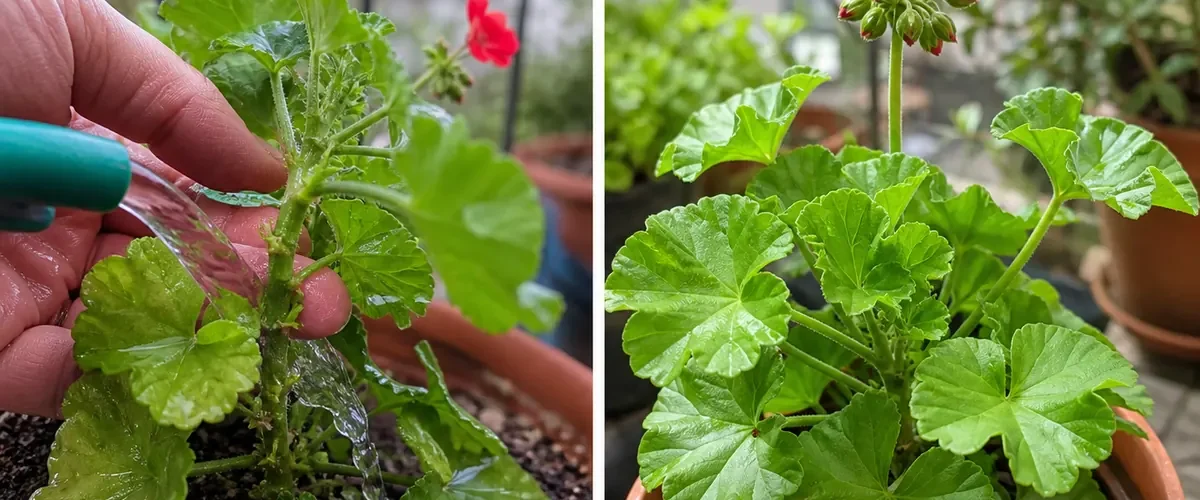
- Use the physical reset. Isolate the plant where practical, prune only badly damaged parts, and dislodge exposed soft-bodied pests with a controlled stream of water.
- Protect helpers and flowers. Avoid treating open blooms, cover or move nearby plants as needed, and preserve lady beetles, lacewings, pollinators, and other beneficial visitors.
Compact Move 4: Reject garlic alcohol
In the compact setup, do not spray rubbing alcohol and garlic over the plant; if a garlic-based product is chosen, use one labeled for that crop and pest.
Compact Move 5: Patch-test one leaf zone
In the compact setup, apply the chosen labeled control to a small representative section at the directed rate and wait through the stated interval for leaf injury.
Compact Move 6: Recount before repeating
In the compact setup, check the same leaves for living pests, new damage, and scorch, then repeat only according to the label or switch to another evidence-based control.
Close the Garlic-Spray One-Plant Pest Trial Routine Cleanly
For a safe compact garlic-spray one-plant pest trial routine, never mix pesticide remedies or apply alcohol-based kitchen sprays to edible plants. Follow the full product label, wear directed protection, respect harvest intervals, avoid drift and pollinator exposure, and keep garlic concentrates, sprayers, children, pets, food, and water sources apart.
After garlic-spray one-plant pest trial, remove waste responsibly and clean the tools, and return the area to normal use. The method has not worked if it leaves a hidden hazard behind.
Keep These Four Garlic-Spray One-Plant Pest Trial Problems Out
1. Treating pests before identification
For garlic-spray one-plant pest trial, it adds clutter without solving the strongest limit.
2. Spraying garlic alcohol in sun
For garlic-spray one-plant pest trial, it can spread residue, moisture, pests, or stress beyond the test area.
3. Coating open flowers
For garlic-spray one-plant pest trial, it turns one contained routine into repeated cleanup.
4. Using garlic powder as complete fertilizer
For garlic-spray one-plant pest trial, it sacrifices a stable result for a fast-looking change.
Wait for the Garlic-Spray One-Plant Pest Trial Without Adding Clutter
For this small garlic-spray one-plant pest trial setup, a firm water spray can remove many aphids immediately, while surviving pests and eggs require checks every few days. Any garlic or labeled contact product must be judged after the leaf dries and again after several days; one quiet hour does not prove control.
During the garlic-spray one-plant pest trial wait, leave only the essential setup in place. Do not add a second remedy because the final transformation needs more time than the first visible change.
This Tiny Spoonful Transforms Plants Into Lush, Productive Showstoppers: Keep the Compact Win
Keep the routine only when it leaves a plant with clearly visible soft-bodied pests moving to clean undamaged new growth and a sharply lower pest count without scorched leaves or harmed beneficial insects inside the same clean footprint. Start at name and count the pest, remove everything that did not help, and repeat the smallest successful version when the next monitoring cycle calls for it.