If you are a fan of topics related to the garden and fruit trees, this information will be of complete interest to you.
Fruit trees are a variety that produces fruits, which are formed by the mature ovule of the flower or the germination of the seed, they are the most appreciated in the urban garden and although they can take several years to grow, once they do it and with the necessary care, you can enjoy a great harvest and take advantage of it in various ways.
The most popular are the orange tree, the lemon tree, the mandarin tree , the pear tree, the apple tree and the papaya tree; However, all these varieties are classified in various ways and depending on the fruits they produce. If you have always been a fan of all things related to the garden, then you might be interested in knowing how they are classified.
According to the portal of the Ministry of Agriculture and Rural Development (SAGARPA), these are the 4 types into which fruit trees can be classified :

Tender Fruits and Stone Inside
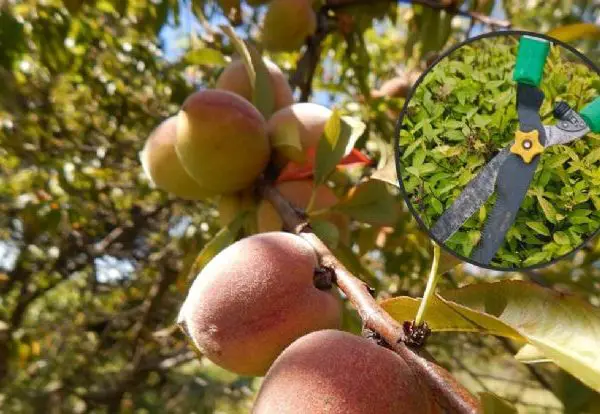
They are trees that regularly produce fleshy fruits and inside they have seeds with a hard bone, an example of them are; the plum tree, the cherry tree, the mango, the olive tree and the apricot tree.
Trees with Tender Fruits and Seeds Inside
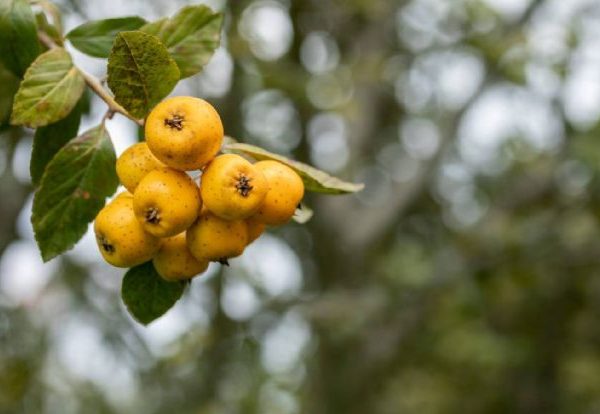
Its fruits are also fleshy, but inside they have smaller seeds. In this group we find the apple tree, the pear tree and the loquat.
Tender Fruits Considered Exotic
They are considered exotic fruits as they have a larger than conventional size or unique structure like fig trees or papayas.
According to said source, this classification also includes: the orange tree, the lemon tree and the mandarin tree, since they produce one of the most appreciated fruits with unique characteristics that can be enjoyed in many sectors far or outside of gastronomy.

Dried Fruits
Its fruits are enclosed in a shell and this classification includes the hazel , walnut, chestnut, oak, almond or holm oak.
Likewise, there are other classifications of trees that are not necessarily fruit trees , to mention a few: deciduous trees (which lose their leaves at certain times of the year, are not necessarily fruit-bearing ), evergreen trees (have foliage that remains green and functional for more than one growing season) and coniferous trees (pines, firs and cedars).
In the particular case of fruit trees, they are an excellent variety to add to the urban garden and enjoy the fruits they offer unlimitedly. If you still do not have this variety within the space dedicated to growing food from home, you should consider it.