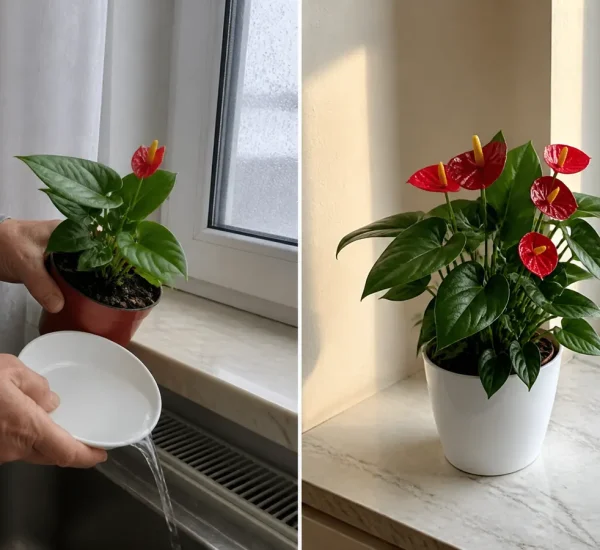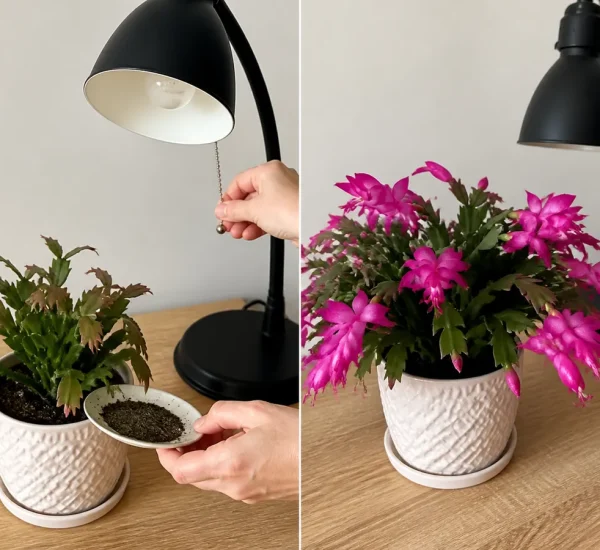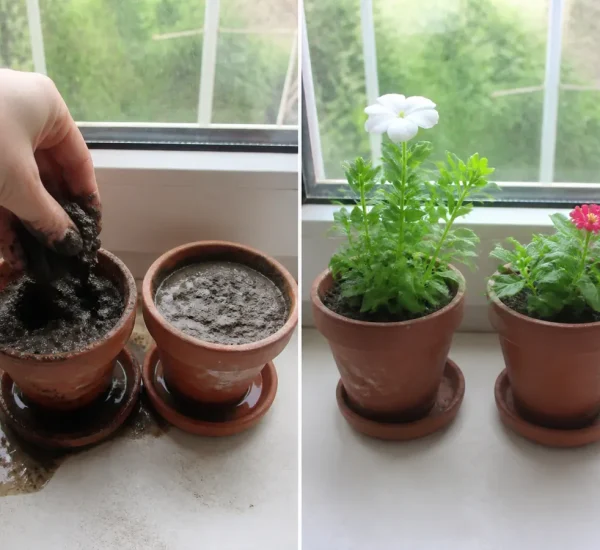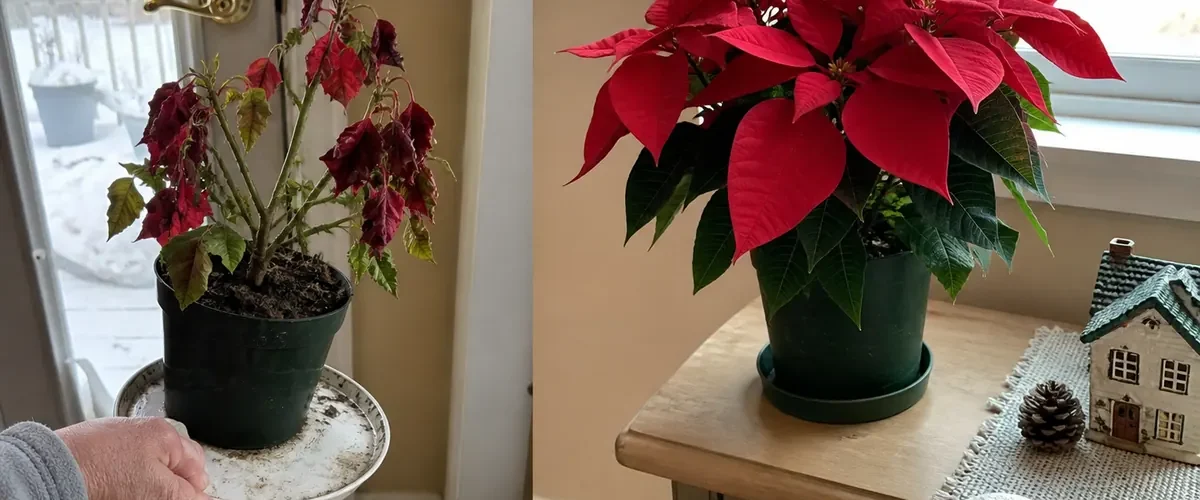
One drooping red-bracted plant may reclaim its holiday table after trapped saucer water and a cold draft leave the setup.
The source article Five Poinsettia Care Rules Everyone Should Know suggests five simple rules for watering, draining, lighting, warming, and placing a tabletop plant, promising that following a fixed watering schedule keeps each red-bracted plant perfectly red, lush, and blooming indefinitely.
Clear One Work Area: Use the Pot, Leaves, and Window as Clues
Examine bract color, green leaf firmness, yellowing, leaf drop, stem condition, soil moisture at the top and root zone, draining holes, foil sleeve, saucer water, window light, hot vents, cold doors, pests, and room temperature. Lift the flowerpot and photograph the same side before deciding it needs more water.
For this contained red-bracted plant color-hold calendar job, move unrelated red-bracted plant bottles and red-bracted plant tools away. Clear extra red-bracted plant materials before starting. Use the same side of the plant in each photograph. Firm leaves, fewer fresh drops, dry saucer space, and vivid bracts show stability better than a fixed watering calendar.
Plan the Wait: A Few Hours to Lift, Several Weeks to Hold Color
A mildly thirsty red-bracted plant may lift within hours after correct watering and draining. Leaves lost to severe stress do not reattach, but stable conditions may protect remaining foliage and bracts for weeks. New green growth belongs to spring care, while another red color show next season requires many weeks of uninterrupted long nights in fall.
During the red-bracted plant color-hold calendar wait, favor red-bracted plant airflow and complete red-bracted plant drying. Stable light or cleanup beats another red-bracted plant ingredient.
Leave Four Problems Outside: Four Habits That Strip a Poinsettia Early
- Watering every day by the calendar. Daily watering ignores flowerpot size, room conditions, and how much moisture roots already hold.
- Leaving water inside decorative foil. Standing runoff suffocates roots and may trigger the yellow leaves mistaken for thirst.
- Placing leaves against cold glass. Cold contact damages tissue even when the room itself feels comfortable.
- Expecting red bracts without a fall dark cycle. Next season’s color requires a strict long-night routine, not ordinary winter care alone.
Keep the Promise Practical: The Simple Conditions That Hold Red Bracts Longer
Red-bracted plant color comes from bracts, not petals, and the plant responds to bright indirect light, comfortable temperatures, draining, and water when the top soil begins to dry. A decorative sleeve that traps water, cold drafts, hot vents, and repeated wilting may trigger leaf drop. Recoloring next year needs a strict long-night schedule in fall.
For one contained setup, aim for a drooping tabletop plant restored to firm leaves and vivid red bracts that last well beyond the holidays. Extra red-bracted plant ingredients do not improve that useful red-bracted plant promise.
Close the Space Safely: Handle Sap, Water, and Decorations Carefully
Red-bracted plant sap may irritate skin and eyes, so wear gloves for pruning, wash after contact, and keep cut stems away from children and pets. Clean spills, use stable containers, and keep watering away from electrical decorations. Seek appropriate advice after significant ingestion or a strong reaction, and isolate pests before moving the plant among houseplants.
Close the red-bracted plant color-hold calendar job by cleaning red-bracted plant tools, removing red-bracted plant waste, drying the red-bracted plant work spot, and reopening it only after red-bracted plant products and moisture are gone.
Use the Smallest Useful Plan: Follow the Droop Back to Water, Drainage, or Drafts
- Read the pot before watering
- Feel the top soil, lift the container, examine draining, and distinguish simple thirst from already wet roots. Put away any red-bracted plant item no longer needed.
- Free the drain holes
- Remove or open the decorative sleeve for watering, let excess run out completely, and empty the saucer before color show. Put away any red-bracted plant item no longer needed.
- Choose bright soft light
- Place the plant near a bright window without pressing leaves against cold glass or exposing bracts to harsh hot sun. Put away any red-bracted plant item no longer needed.
- Block temperature shocks
- Move it away from exterior-door drafts, fireplaces, radiators, and heating vents while keeping normal room comfort. Put away any red-bracted plant item no longer needed.
- Track seven daily signals
- Check flowerpot weight, topsoil, leaf angle, yellow leaves, drop count, bract condition, and saucer dryness without changing everything. Put away any red-bracted plant item no longer needed.
- Decide the spring plan
- After the color show, keep only a healthy plant, prune and repot at the proper season, and use a fall dark schedule only if recoloring is worth the work. Put away any red-bracted plant item no longer needed.
Make Every Item Earn Its Space: Why Stable Care Preserves the Holiday Display
Red-bracted plant roots need both moisture and oxygen. A foil sleeve full of draining water removes that balance, while cold glass and hot vents shock foliage from opposite directions. Stable bright conditions protect the leaves and colored bracts already present, which is the fastest route to a longer color show.
The compact routine works by holding red bracts and healthy green leaves by watering from soil evidence, draining the decorative cover, providing bright indirect light, and removing cold and heat shocks. Everything else may leave the red-bracted plant work area.
Make Everyone With a Poinsettia Should Learn These 5 Powerful Rules the Small Win That Lasts
Begin with read the flowerpot before watering and keep the red-bracted plant setup contained. The useful finish is a drooping tabletop plant restored to firm leaves and vivid red bracts that last well beyond the holidays, with no unused red-bracted plant chemicals or red-bracted plant work-zone clutter left behind.