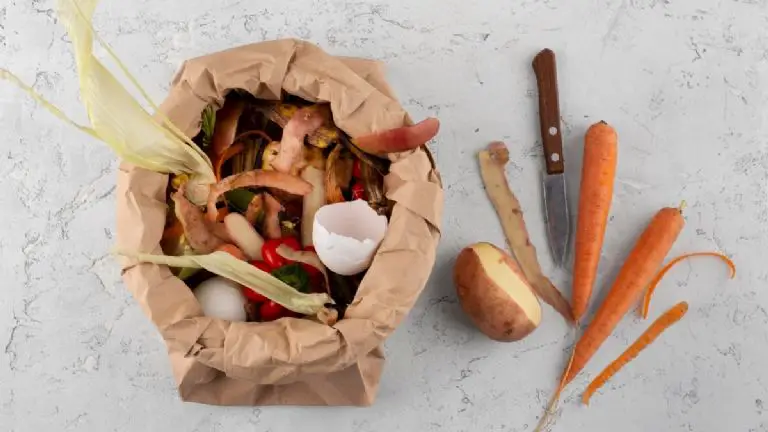
Nourishing your urban garden crops has never been easier with this organic compost made from everyday kitchen waste, including banana peels and egg shells. This natural fertilizer is not only eco-friendly but also provides essential nutrients to your plants, helping them thrive in your garden or balcony space.

Why Compost with Banana and Egg Peels?
Composting is a sustainable way to reduce dependence on chemical fertilizers and boost soil fertility. By using organic waste from the kitchen, such as banana peels, egg shells, and other kitchen scraps, you can create a nutrient-rich compost. It helps improve water retention, enhances soil structure, and delivers important nutrients like potassium, calcium, phosphorus, magnesium, and small amounts of nitrogen to plants.
The combination of banana peels and egg shells is especially beneficial:
- Banana peels provide potassium, phosphorus, and iron.
- Egg shells are an excellent source of calcium, which helps in preventing plant diseases like blossom end rot.
What You’ll Need for This Organic Compost Recipe

Here’s a list of materials you’ll need to make this simple, yet highly effective, organic compost:
Ingredients:
- 7-8 banana peels, crushed into small pieces
- 3-6 eggshells, cleaned and dried
- Plant-based waste, such as dry leaves or foliage
- Fertile soil (or worm humus for an added nutrient boost)
Materials:
- A large reusable cloth bag (like those from the supermarket)
- A thick plastic sheet or bag (to cover the compost)
- Water sprayer
- Gardening shovel
- Gardening gloves
- Recycled plastic crate or box (to contain the compost)
Step-by-Step Guide to Making Compost with Banana and Egg Peels
- Prepare Your Container
Line a plastic crate or a box with a tarp or heavy-duty plastic. This will create a proper base for the compost. If using a plastic box, you can skip this step. - Layer the Ingredients
Inside the container, start by laying down a good layer of plant waste, such as dry leaves or foliage. Next, add the banana peels and eggshells, crushing them into small pieces to speed up decomposition. Cover this with a layer of fertile soil (or worm humus if you prefer). - Hydrate the Mixture
Use the water sprayer to lightly hydrate the ingredients. This helps activate the composting process. After spraying, repeat the layering process: start with a layer of plant waste, then banana and eggshells, followed by another light spray of water. Continue this until you reach a light layer of plant material at the top. - Cover the Compost
Cover the crate with the reusable cloth bag and thick plastic wrap or bag. This will help retain moisture and heat, creating the perfect environment for microorganisms to break down the compost. - Turn the Compost
Every 15 days, turn the compost to help aerate it. After 20 days, you can start turning it every week. Make sure to keep the compost in a dry place at room temperature to avoid rainwater exposure, which could disrupt the process. - Maintain the Right Balance
It’s crucial to maintain a balance between green (nitrogen-rich) and dry (carbon-rich) materials to ensure that the microorganisms can work efficiently and speed up decomposition.
How to Use Your Homemade Compost

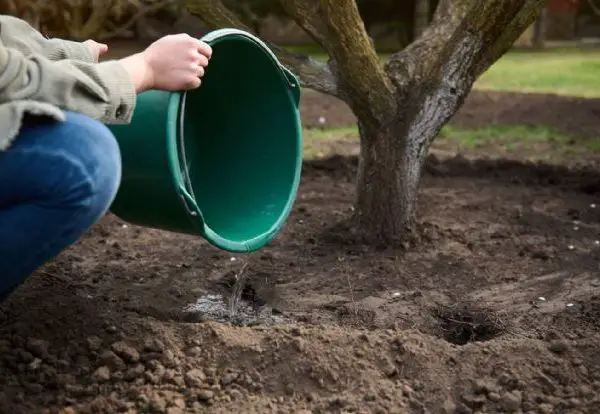
After about 20 days, you’ll have organic compost ready to use! This nutrient-rich fertilizer is perfect for your urban garden crops, and you can directly mix it into the soil or use it as a top dressing for plants. The compost will nourish the plants with essential minerals and nutrients, boosting their growth and ensuring a healthy, bountiful harvest.
Conclusion
By making organic compost with banana and egg peels, you’re not only giving kitchen waste a second life, but you’re also creating a powerful fertilizer that is both environmentally friendly and effective. Start your own composting project today and watch your urban garden flourish with natural, nutrient-dense growth.