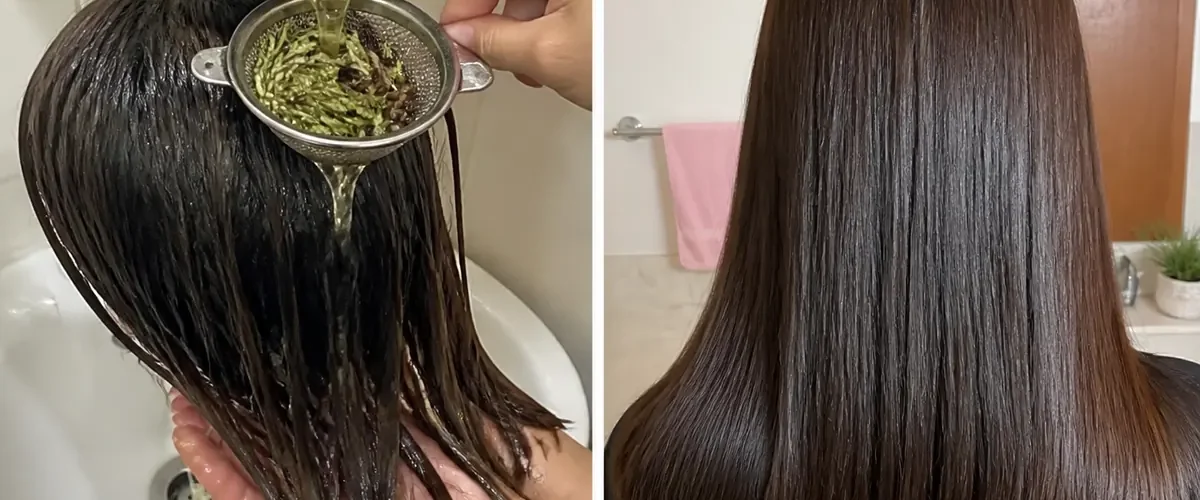
Put every tool away afterward. One cooled, strained rinse can freshen dull hair without turning a small bathroom into a spice laboratory.
Keep one item in view. The article Mix Rosemary With Cloves for a Hair Secret Worth Knowing suggests boiling rosemary, cloves, and bay leaves into a scalp rinse. The appealing claim is that the spice rinse stops shedding and makes hair grow thicker after only a few uses.
Keep the Compact Promise Honest: Keep the Noticeable Shine and Drop the Instant-Regrowth Claim
Clear the nearby shelf. A strained herb rinse may add fragrance and make clean conditioned hair look fresher, but a homemade clove mixture is not a proven cure for hair shedding. One small six-month trial studied a prepared rosemary oil product, not this kitchen infusion, and showed no significant hair-count change at three months. Rosemary and clove products can also irritate or trigger contact dermatitis. Unexplained or sudden shedding needs professional medical assessment.
Place only the essentials nearby. For one contained job, aim for freshly washed hair that looks noticeably shinier and feels easier to handle after a mild patch-tested rinse, without scalp burning, redness, or a false regrowth promise. Keep the clean bathroom hair station clear enough to see the same-light hair shine and breakage check without another shortcut in the way.
Plan One Simple Return Check: Measure Shine Today and Treat Hair Loss as a Longer Question
Return at the planned time. Waiting plan: a final cool rinse and conditioner can change shine and manageability after one wash. Hair-count change cannot be judged in days, and the rosemary oil trial measured outcomes over six months. Sudden patches, scarring, pain, or heavy shedding should not wait for a home experiment because some causes respond best to early diagnosis.
Use one uncluttered corner. Compact proof: Use identical dry-light photographs, count broken hairs separately from full-length shed hairs, and record itch, redness, burning, flaking, shine, and combing ease. Test one mild rinse no more than occasionally. The cosmetic finish succeeds only when appearance improves without irritation. Growth claims require months, controls, and clinical evidence.
Clear and Read One Work Area: Separate Breakage, Shedding, Scalp Symptoms, and Cosmetic Dullness
Finish the small task cleanly. Small-area review: note shedding pattern, duration, scalp pain, itching, scale, sores, recent illness, tight styles, chemical treatments, heat use, and new products. Photograph the same part in the matching dry lighting. Check known fragrance or plant allergies. Do not apply a kitchen rinse to broken, inflamed, infected, or unexplained rapidly thinning scalp.
Complete the Small-Space Sequence: Prepare a Mild Strained Rinse With Clear Stop Rules
Opening move 1: Define a cosmetic goal
Keep the setup small. Aim for fragrance, shine, and easier handling rather than promising to stop or reverse hair shedding.
Opening move 2: Make a weak water infusion
Stay with this short routine. Use a small amount of whole rosemary and cloves in hot water, then cool it fully without essential oil or pepper.
- Strain every solid particle. Filter the liquid carefully so sharp spice fragments cannot scratch the scalp or remain in hair.
- Patch-test before scalp use. Try a small area as advised by a qualified professional and wait for delayed redness, itch, or swelling.
- Apply briefly and rinse well. Keep the mixture away from eyes, use it only on intact skin, and stop immediately at discomfort.
- Escalate real hair loss early. Seek a dermatologist for sudden, patchy, painful, scarring, or persistent shedding instead of adding stronger spices.
Leave Four Problems Outside: Four Stronger Spice Ideas That Put the Scalp at Risk
- Adding black pepper powder. Particles and pungent compounds can irritate a scalp that is already fragile.
- Using concentrated clove oil. Essential oil is far stronger than a water infusion and can cause harmful exposure or skin reactions.
- Calling shine new growth. Smoother fibers can look fuller immediately without any change in follicle count.
- Delaying diagnosis for patches. Some inflammatory or scarring hair-loss conditions require timely medical treatment.
Let Every Item Earn Its Place: Why Smoother Hair Can Look Fuller After One Wash
Use one simple check. The compact same-light hair shine and breakage check setup works for a clear reason. Clean smooth hair fibers reflect light more evenly, and conditioner reduces friction that contributes to breakage and frizz. A fragrant water rinse may support the cosmetic experience, but it does not establish a dose at the follicle or correct genetic, hormonal, inflammatory, nutritional, medication-related, or scarring causes of hair shedding.
Close the Job Cleanly: Control Allergy, Eyes, Ingestion, Storage, and Medical Delay
Make the final pass once. Compact cleanup: do not ingest the rinse, use essential oils, apply it to broken skin, or let it enter eyes. Keep cloves and prepared liquid away from children and pets. Stop and rinse at burning, redness, swelling, hives, breathing difficulty, or worsening shedding. Breathing difficulty is an emergency. Discuss hair shedding, allergies, pregnancy, and scalp disease with a qualified clinician before experimenting.
Leave the work area open. Discard the leftover rinse, clean the strainer, dry the floor, and keep the next wash gentle and simple.
Let Refresh Dull Hair With One Carefully Strained Herbal Rinse Become the Dull Fragile Hair And Scalp Win That Stays
Put every tool away afterward. Begin by separating a cosmetic shine rinse from any claim to diagnose or cure hair shedding. Keep the clean bathroom hair station uncluttered and aim for freshly washed hair that looks noticeably shinier and feels easier to handle after a mild patch-tested rinse, without scalp burning, redness, or a false regrowth promise. That practical same-light hair shine and breakage check finish leaves one dull fragile hair and scalp routine small enough to repeat.