Ten bottles and tricks can crowd a windowsill long before an orchid passes the few signals that truly matter. My 10 Secrets to Make an Orchid Rebloom Every Time uses ten broad orchid tricks covering spikes, soaking, humidity, temperature, fertilizer, leaf cleaning, and clear pots to claim that following all ten secrets makes any orchid rebloom every time.
One clear scorecard can lead to an orchid moving from uncertain care to a predictable new spike with firm buds and lasting flowers.
Clear One Ten-Signal Orchid Rebloom Scorecard Work Zone
For the compact ten-signal orchid rebloom scorecard check, score root firmness, active tips, crown or pseudobulb health, mature leaves, newest growth, medium age, drainage, pot stability, light, leaf temperature, watering evidence, fertilizer salts, humidity with airflow, pests, last bloom date, seasonal cue, and whether the new point is a root or spike.
While testing ten-signal orchid rebloom scorecard, keep nearby plants, food, tools, and personal items outside the work area. One clear before photograph and one marked check point are enough to make the compact result honest.
The Six-Move Ten-Signal Orchid Rebloom Scorecard Routine
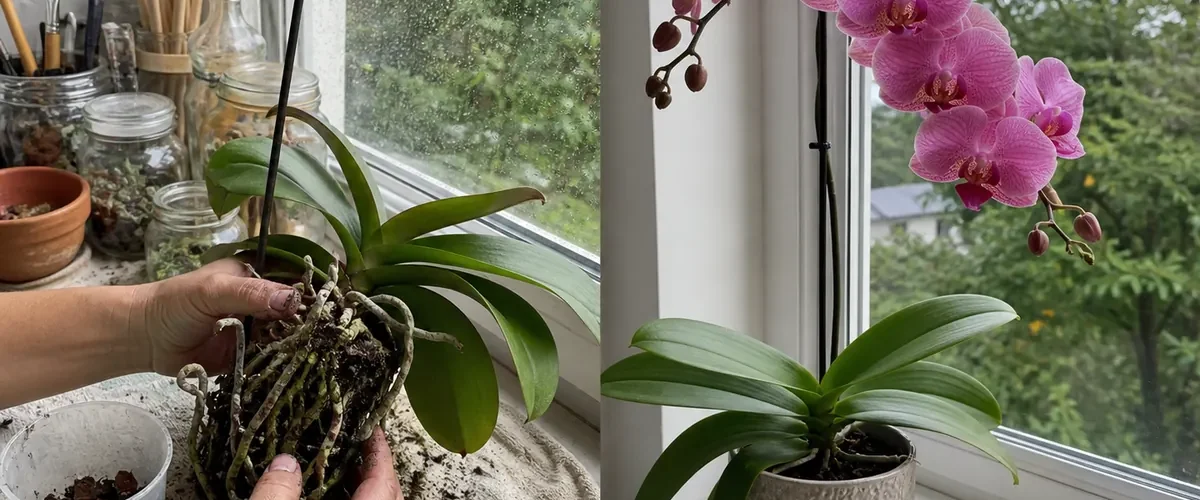
Compact Move 1: Score roots and crown first
In the compact setup, give no rebloom credit unless the crown or pseudobulbs are sound and enough firm roots can hydrate the plant.
Compact Move 2: Confirm mature growth
In the compact setup, count species-relevant leaves or pseudobulbs and wait when the newest growth is still expanding.
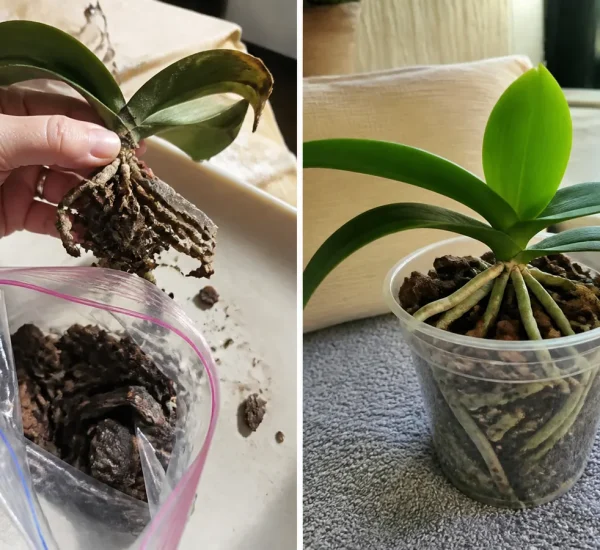
Compact Move 3: Refresh the root chamber
In the compact setup, replace sour compacted medium, choose a snug ventilated pot, and keep the crown and rhizome correctly positioned.
Compact Move 4: Raise light to the useful range
In the compact setup, acclimate toward brighter species-appropriate light while preventing hot-glass scorch.
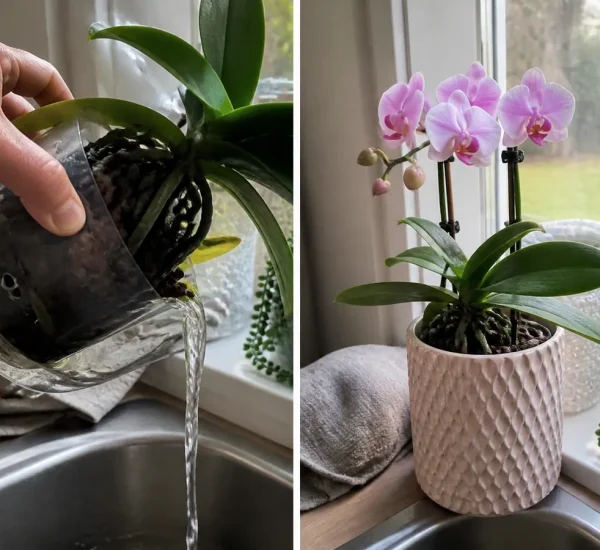
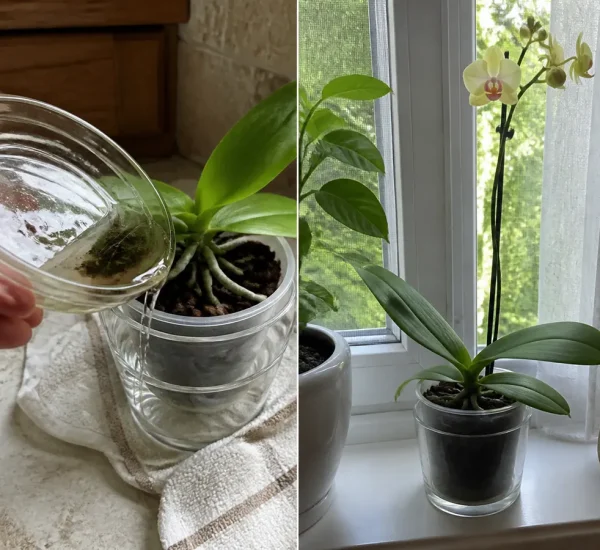
Compact Move 5: Synchronize water and nutrition
In the compact setup, water from root evidence, drain completely, feed active growth lightly with a complete formula, and flush salts.
Compact Move 6: Unlock and protect the spike
In the compact setup, provide the correct seasonal cue, identify the emerging point, stake loosely, and keep orientation and conditions steady through buds.
Wait for the Ten-Signal Orchid Rebloom Scorecard Without Adding Clutter
For this small ten-signal orchid rebloom scorecard setup, a care correction may stop decline within days, while new roots and leaves require weeks or months. Seasonal spike initiation happens only after maturity and the right cue. Buds then enlarge over many weeks, and moving a plant late in development can cause bud blast.
During the ten-signal orchid rebloom scorecard wait, leave only the essential setup in place. Do not add a second remedy because the final transformation needs more time than the first visible change.
Choose the Small-Space Ten-Signal Orchid Rebloom Scorecard Promise
Inside this compact setup, no checklist guarantees every orchid will flower on command because genera, maturity, seasons, and plant health differ. Ten visible signals can still expose the bottleneck: living roots, mature growth, fresh medium, useful light, correct water timing, gentle nutrition, airflow, temperature cue, pest freedom, and a genuine spike.
For one contained setup, the result to chase is an orchid moving from uncertain care to a predictable new spike with firm buds and lasting flowers. Keep every move tied to an orchid passing all ten readiness signals before its energy is directed into a supported flower spike, so the method remains easy to stop, clean, and repeat.
Make the Ten-Signal Orchid Rebloom Scorecard Fit the Same Footprint
Start with score roots and crown first, confirm mature growth, refresh the root chamber; they address the cause before another bottle, pot, or tool is added. Return unused materials to storage as soon as the first correction is complete.
Finish with raise light to the useful range, synchronize water and nutrition, unlock and protect the spike. That compact chain supports an orchid passing all ten readiness signals before its energy is directed into a supported flower spike and leaves the small area with an orchid moving from uncertain care to a predictable new spike with firm buds and lasting flowers, not a second cleanup project.
Close the Ten-Signal Orchid Rebloom Scorecard Routine Cleanly
For a safe compact ten-signal orchid rebloom scorecard routine, use clean tools, avoid leaf-polishing food mixtures, and never let water stand in the crown. Follow product labels and keep fertilizer, stale water, clips, and plant debris away from children and pets.
After ten-signal orchid rebloom scorecard, remove waste, drain only where permitted, clean the tools, and return the area to normal use. The method has not worked if it leaves a hidden hazard behind.
Keep These Four Ten-Signal Orchid Rebloom Scorecard Problems Out
Compact Setup: 1. Adding ten remedies at once
For ten-signal orchid rebloom scorecard, it adds clutter without solving the strongest limit.
Compact Setup: 2. Counting shiny leaves as readiness
For ten-signal orchid rebloom scorecard, it can spread residue, moisture, pests, or stress beyond the test area.
Compact Setup: 3. Chilling a weak orchid
For ten-signal orchid rebloom scorecard, it turns one contained routine into repeated cleanup.
Compact Setup: 4. Moving a plant after buds form
For ten-signal orchid rebloom scorecard, it sacrifices a stable result for a fast-looking change.
Want Reliable Orchid Blooms? Use These 10 Powerful Secrets: Keep the Compact Win
Keep the routine only when it leaves an orchid moving from uncertain care to a predictable new spike with firm buds and lasting flowers inside the same clean footprint. Start at score roots and crown first, remove everything that did not help, and repeat the smallest successful version when the next normal-care cycle calls for it.