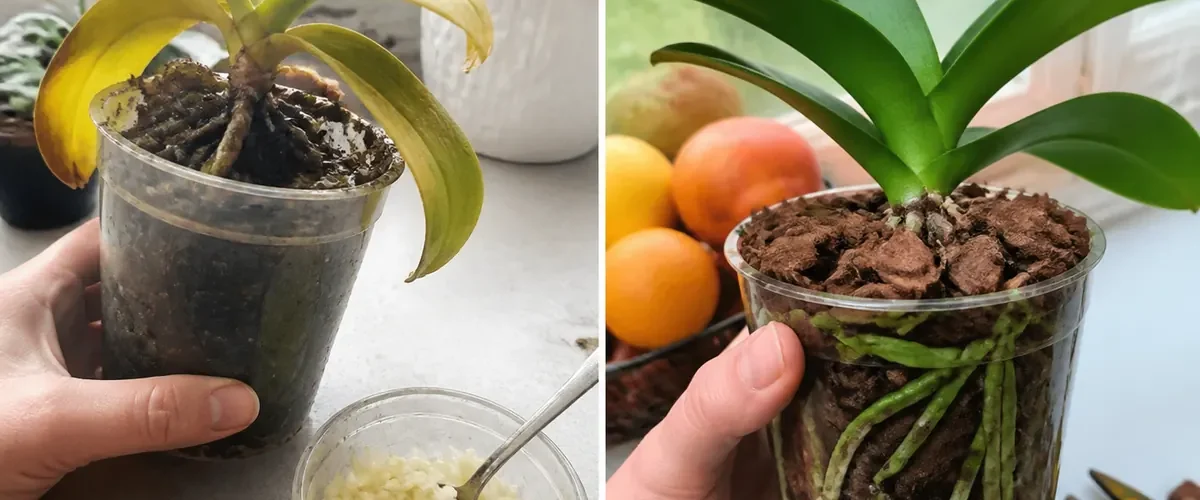
A wet orchid can deteriorate quickly when sour bark shares the same windowsill with healthy plants. Reviving Your Rotten Orchids with Garlic A Natural and Easy Solution recommends garlic paste and garlic water being sprayed over dark rotting orchid roots and claims that garlic naturally revives rotten orchids and makes root recovery easy.
A clean one-pot triage protects the shelf and gives the survivor a chance at a firm living crown and clean new root tips that can rebuild the plant.
One Careful Orchid Rot-Line Rescue Check Changes the Whole Plan
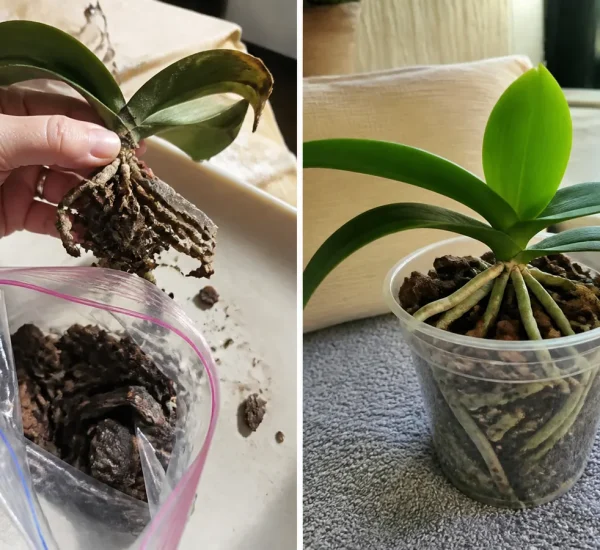
At one tidy work station, identify the orchid and unpot it over a washable surface, then inspect crown firmness, stem color, leaf attachment, root velamen, inner root strands, odor, spreading lesions, old medium, drainage, cachepot water, recent cold injury, pests, and how much living tissue remains above the rot line.
What the Bold Orchid Rot-Line Rescue Claim Leaves Out
For a compact setup, the practical limit is clear: garlic cannot restore dead orchid tissue, and a strong paste can irritate exposed living roots. A salvageable orchid needs every soft spreading rot area separated from firm tissue, contaminated medium removed, tools disinfected, the crown kept dry, and the surviving plant stabilized in a clean airy environment.
In limited space, a weak method creates odor, clutter, runoff, or repeated work very quickly. A cleaner sequence can still reach a firm living crown and clean new root tips that can rebuild the plant. It should not add a second problem.
Why These Moves Create a Firm Living Crown and Clean New Root Tips That Can Rebuild the Plant
A small plant setup improves when each correction earns its place. Start with map the rot line before cutting, then use remove contaminated medium and cut only dead spreading tissue to protect roots, leaves, and the limited space around them.
Contain the trial at rebuild moisture without saturation and close the loop with wait for proof before feeding. The result is worth keeping only when those compact moves produce a firm living crown and clean new root tips that can rebuild the plant. No fresh clutter or stress should follow.
Compact Setup: Six Orchid Rot-Line Rescue Moves That Make the Promise Believable
Compact Start: Map the Rot Line Before Cutting
On one test subject, separate hollow brown mushy roots from firm silver, green, white, or tan roots and confirm whether the crown and stem remain solid.
Clear-space Move: Remove Contaminated Medium
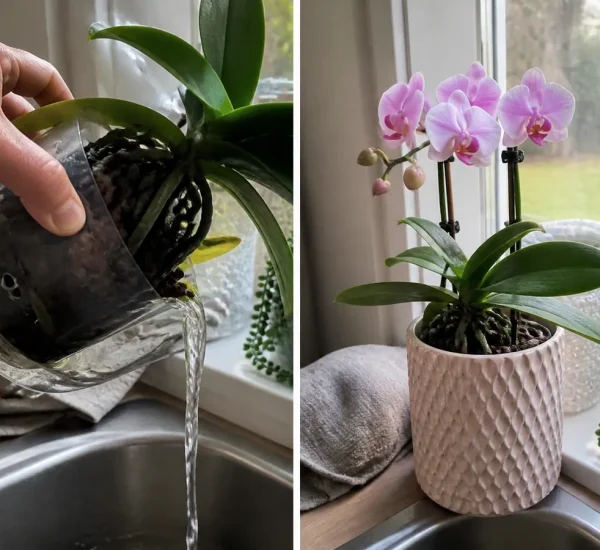
With the nearby area clear, discard sour broken bark and standing cachepot water, then wash the pot or choose a clean ventilated replacement sized to the roots that survive.
Low-clutter Correction: Cut Only Dead Spreading Tissue
Before using more materials, use a disinfected sharp tool between cuts, preserve firm functioning roots, and avoid coating open tissue with garlic paste or untested powders.
Smallest Effective Step: Dry and Secure the Living Plant
For the smallest useful change, let clean wounds air as appropriate, set the crown above fresh airy orchid medium, and anchor the plant so fragile new tips will not rub.
Contained Trial: Rebuild Moisture without Saturation
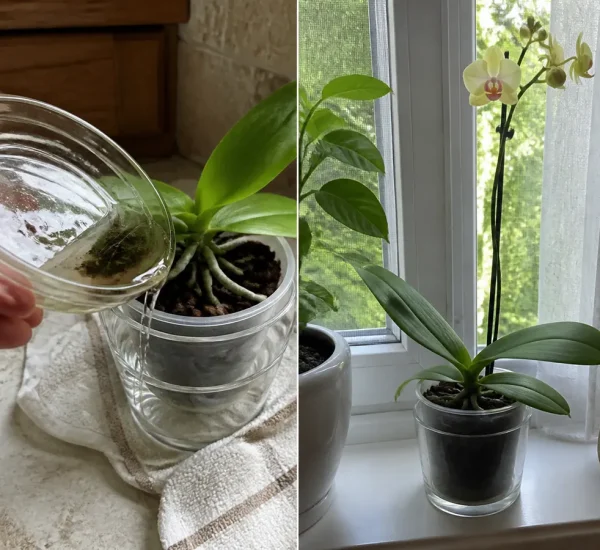
Keep the trial contained: provide bright filtered light, stable warmth, moderate humidity, airflow, and careful root-zone water only when the reduced system is ready.
Clean Finish: Wait for Proof Before Feeding
To finish the small-space test, photograph the crown and roots weekly, hold fertilizer while the plant is unstable, and resume weak complete nutrition only after active roots establish.
Prove the Orchid Rot-Line Rescue Result With More Than One Signal
Use one plant or container as the first orchid rot-line rescue trial. Mark it discreetly and keep neighboring plants out so runoff, pests, shade, or a second treatment cannot confuse the result.
Repeat only after the test plant stays stable through normal care. In a small space, the best proof is a firm living crown and clean new root tips that can rebuild the plant with easy cleanup and no spillover into the rest of the room or garden.
A Believable Timeline for a Firm Living Crown and Clean New Root Tips That Can Rebuild the Plant
Plan the wait as carefully as the work: removing rot stops further contact immediately, but recovery is slow. A living crown may hold steady for weeks before a new root tip appears, and useful root mass can take months. Existing flowers may be sacrificed so limited reserves support survival.
Keep the orchid rot-line rescue setup steady while you wait. Repeatedly moving, feeding, watering, or repotting can hide which action helped and add fresh stress.
Avoid These Orchid Rot-Line Rescue Errors Before Repeating the Method
- Trying to heal dead roots with garlic. It can spread residue, stress, or pests beyond the first orchid rot-line rescue test.
- Cutting every pale firm root. It hides the orchid rot-line rescue cause and makes the next decision less reliable.
- Burying the recovering crown. It can create damage before a firm living crown and clean new root tips that can rebuild the plant has time to appear.
- Fertilizing before new roots function. It changes too many orchid rot-line rescue conditions to show what truly worked.
Stop the Orchid Rot-Line Rescue Test if Any Limits Are Crossed
In a shared small space, wear gloves around moldy medium, disinfect blades, and keep cutting paths away from hands. Do not mix peroxide, bleach, garlic, cinnamon, wax, or household disinfectants on open orchid tissue; isolate the plant from healthy orchids.
Keep the orchid rot-line rescue area tidy, control runoff, and store every material away from food, children, and pets. Clean the work zone before normal care resumes.
Use Garlic This Way and Watch Damaged Orchids Recover Fast: The Result Worth Keeping
The best small-space transformation is impressive because it stays controlled. Begin with the step map the rot line before cutting, change one important condition at a time, and keep the routine only when it delivers a firm living crown and clean new root tips that can rebuild the plant. It should not create extra work nearby.