“Terrace Triumph: A Special Method for Abundant Butternut Squash Harvest”
Imagine stepping onto your terrace to harvest a bounty of fresh, homegrown butternut squash. While growing this delicious and nutritious vegetable on a terrace might seem challenging, a special method can make it not only possible but also remarkably fruitful. Let’s explore the secrets to cultivating a flourishing butternut squash crop right at your doorstep.
The Terrace Advantage:
Terrace gardening offers unique opportunities for growing vegetables, including butternut squash. Limited space doesn’t have to mean limited harvests; with the right approach, your terrace can become a thriving haven for this versatile and hearty vegetable.
Step-by-Step Guide:
- Choose the Right Containers: Opt for large containers with a minimum depth of 12 inches to accommodate the deep roots of butternut squash plants. Make sure the containers have drainage holes to prevent waterlogging.
- Select the Right Butternut Squash Varieties: Some butternut squash varieties are more suitable for container gardening. Choose compact or bush varieties that are well-suited for limited spaces. Examples include “Honeybaby” or “Butterscotch.”
- Quality Soil and Compost: Use a well-draining, nutrient-rich potting mix combined with compost. Butternut squash plants thrive in soil that retains moisture while allowing excess water to drain away.
- Sunlight Requirements: Ensure your terrace receives at least 6-8 hours of direct sunlight each day. Butternut squash plants love the warmth, and adequate sunlight is crucial for robust growth and fruit development.
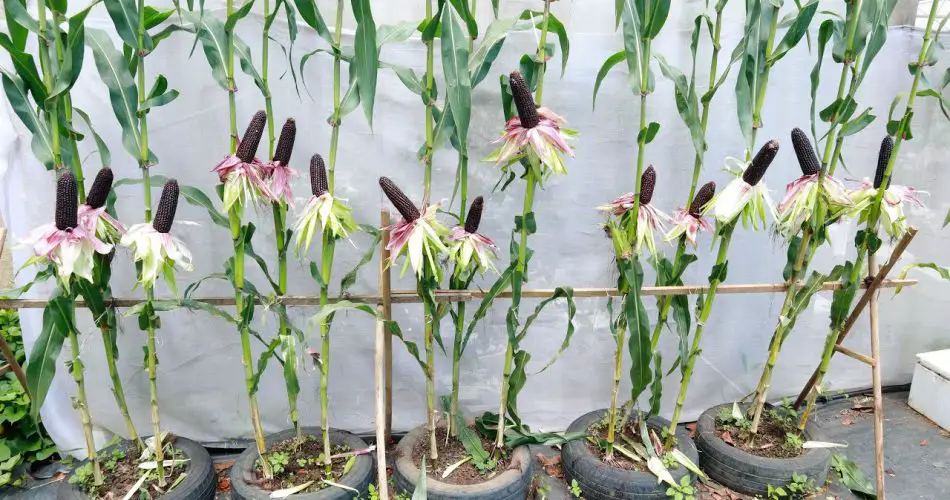
- Support Structures: Butternut squash plants produce long vines, and providing sturdy support structures is essential. Consider using trellises or vertical gardening techniques to maximize space and encourage upward growth.
- Regular Watering: Keep the soil consistently moist, especially during the flowering and fruit-setting stages. Be cautious not to overwater, as soggy soil can lead to root rot. Water deeply when the top inch of soil feels dry.
- Fertilize Wisely: Feed your butternut squash plants with a balanced, water-soluble fertilizer every 2-3 weeks during the growing season. Follow the package instructions for proper application rates.
- Pollination Assistance: Butternut squash plants produce separate male and female flowers. To aid pollination and increase fruit set, consider hand-pollinating by transferring pollen from male to female flowers using a small brush or cotton swab.
- Harvesting: Butternut squash is ready for harvest when the skin hardens, and the vine begins to wither. Use sharp scissors or pruners to cut the squash from the vine, leaving a couple of inches of stem attached.
With this special method tailored for terrace gardening, you can enjoy a bountiful harvest of butternut squash right outside your door. Embrace the joy of cultivating this versatile vegetable in a limited space, and soon you’ll be savoring the delicious rewards of your terrace-grown butternut squash.