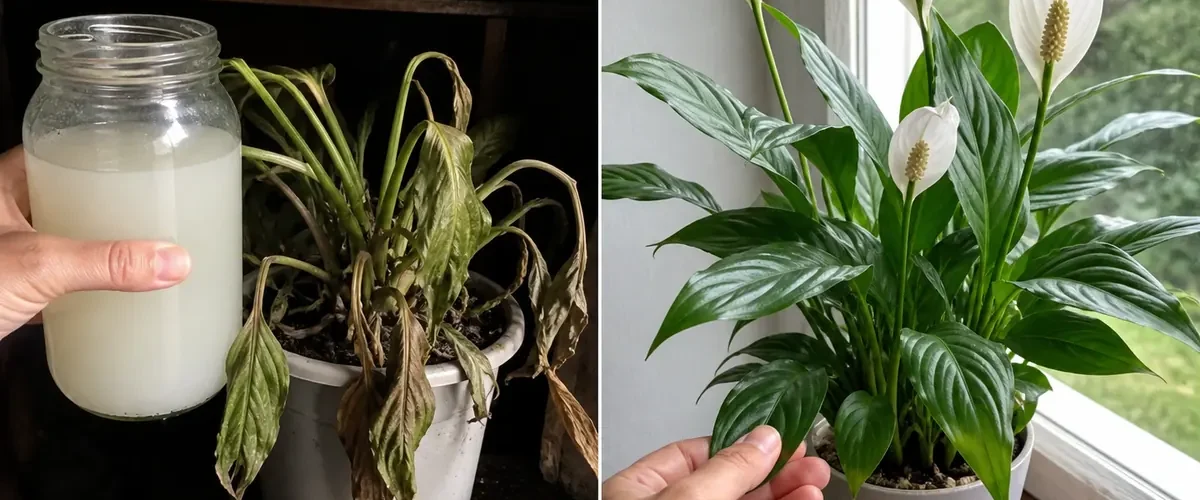
A peace lily without flowers can make a favorite window feel unfinished. The source starts with thick blended rice water being poured into a peace lily two or three times every week to force countless flowers all year and promises that one cup of rice water makes a peace lily produce countless flowers throughout every season.
There is room for a dramatic return, but not for a sour pot or clouds of gnats. This small-space plan directs light, roots, moisture, and feeding toward firm green leaves and a reliable seasonal flush of white blooms.
One Careful Peace Lily Blooming Check Changes the Whole Plan
At one tidy work station, confirm plant maturity and cultivar, then inspect daily light, leaf color, root crowding, drainage, soil moisture, room temperature, old flower stalks, pests, and the recent feeding record.
Clear a small peace lily blooming work zone and protect nearby floors, fabrics, plants, food, and shared air. Test one subject or one hidden area before treating the entire space.
What the Bold Peace Lily Blooming Claim Leaves Out
For a compact setup, the practical limit is clear: rice water is not a complete fertilizer and frequent starch can encourage odor, mold, or fungus gnats. Mature peace lilies bloom when bright filtered light, healthy roots, steady moisture, warmth, and balanced nutrition align.
In limited space, a weak method creates odor, clutter, runoff, or repeated work very quickly. A cleaner sequence can still reach firm green leaves and a reliable seasonal flush of white blooms. It should not add a second problem.
Why These Moves Create Firm Green Leaves and a Reliable Seasonal Flush of White Blooms
A small plant setup improves when each correction earns its place. Start with move it into bloom-ready light, then use read moisture below the surface and check the crowded root ball to protect roots, leaves, and the limited space around them.
Contain the trial at test rice rinse water lightly and close the loop with track the next growth cycle. The result is worth keeping only when those compact moves produce firm green leaves and a reliable seasonal flush of white blooms. No fresh clutter or stress should follow.
Compact Setup: Six Peace Lily Blooming Moves That Make the Promise Believable
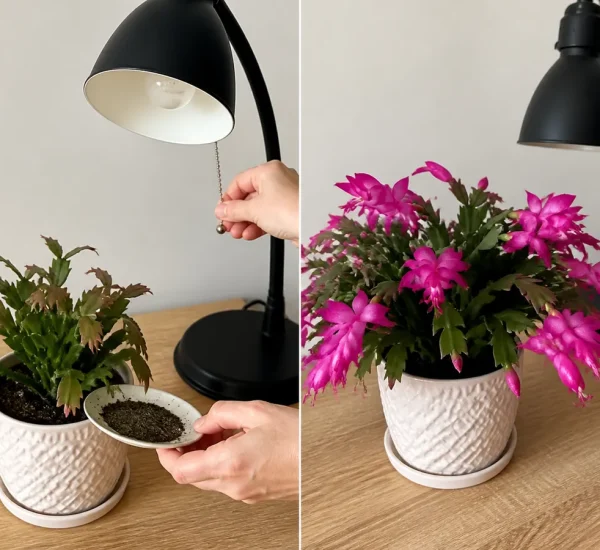
- Compact Start: Move it into bloom-ready light. On one test subject, place the plant in bright indirect light near a window, using a sheer curtain or greater distance if direct sun heats the leaves.
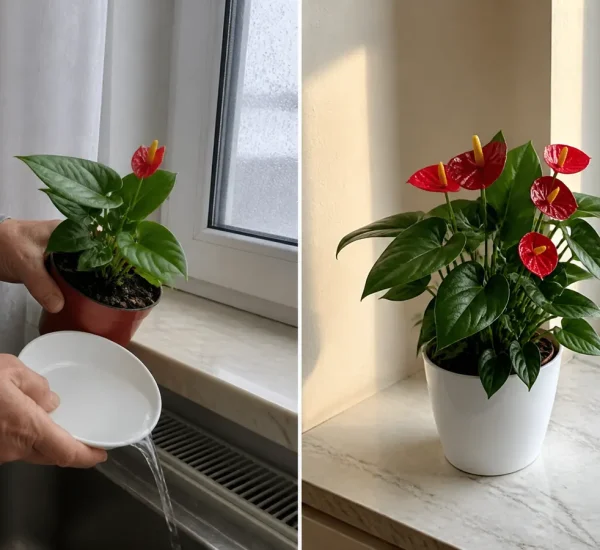
- Clear-Space Move: Read moisture below the surface. With the nearby area clear, water when the upper mix begins to dry, soak evenly, and empty the saucer so roots stay moist but never sit in stagnant water.
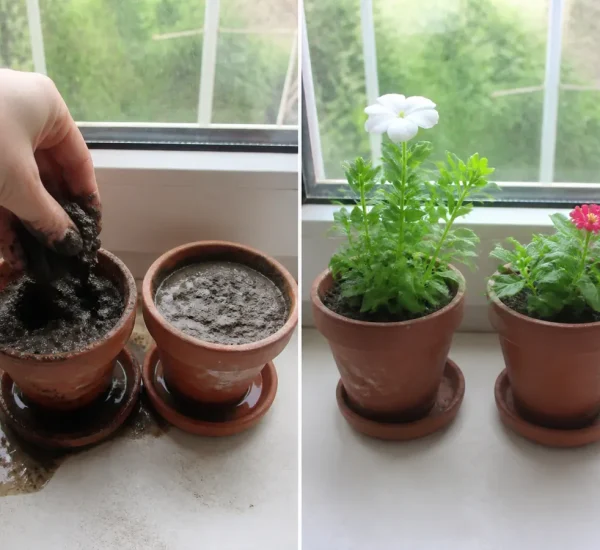
- Low-Clutter Correction: Check the crowded root ball. Before using more materials, repot only when roots are severely circling or drainage has failed, choosing a pot just slightly wider and an airy indoor mix.
Smallest Effective Step: Feed for Balanced Growth
For the smallest useful change, use a complete labeled houseplant fertilizer at a modest rate during active growth instead of relying on one kitchen liquid.
Contained Trial: Test Rice Rinse Water Lightly
Keep the trial contained: if trying the source idea, use fresh unsalted well-diluted rinse water infrequently on one healthy plant and stop if gnats, film, or odor appears.
Clean Finish: Track the Next Growth Cycle
To finish the small-space test, mark new leaves and flower stems by date, remove spent stalks at the base, and change only one care factor at a time.
Prove the Peace Lily Blooming Result With More Than One Signal
Use one plant or container as the first peace lily blooming trial. Mark it discreetly and keep neighboring plants out so runoff, pests, shade, or a second treatment cannot confuse the result.
Repeat only after the test plant stays stable through normal care. In a small space, the best proof is firm green leaves and a reliable seasonal flush of white blooms with easy cleanup and no spillover into the rest of the room or garden.
A Believable Timeline for Firm Green Leaves and a Reliable Seasonal Flush of White Blooms
Plan the wait as carefully as the work: corrected light and moisture can improve leaf posture within days or weeks. New roots and leaves take longer, and a mature plant may need several weeks or months to prepare its next flower stems.
Keep the peace lily blooming setup steady while you wait. Repeatedly moving, feeding, watering, or repotting can hide which action helped and add fresh stress.
Avoid These Peace Lily Blooming Errors Before Repeating the Method
- Pouring rice slurry into the pot. It makes the promised peace lily blooming finish harder to separate from normal change.
- Feeding several times each week. It risks trading a stable peace lily blooming result for a fast visual effect.
- Keeping the plant in a dark corner. It prevents a clean comparison with the original peace lily blooming baseline.
- Repotting repeatedly to force flowers. It can spread residue, stress, or pests beyond the first peace lily blooming test.
Stop the Peace Lily Blooming Test if Any Limits Are Crossed
In a shared small space, peace lily tissue can irritate the mouth if chewed, so keep the plant and runoff away from children and pets. Keep water out of electrical areas and discard any rice water that smells fermented.
Keep the peace lily blooming area tidy, control runoff, and store every material away from food, children, and pets. Clean the work zone before normal care resumes.
This One-Cup Trick Keeps Peace Lilies Flowering Every Season: The Result Worth Keeping
The best small-space transformation is impressive because it stays controlled. Begin with the step move it into bloom-ready light, change one important condition at a time, and keep the routine only when it delivers firm green leaves and a reliable seasonal flush of white blooms. It should not create extra work nearby.