Winter is approaching, and with it comes the ideal season for pruning your fruit trees as they enter dormancy. This essential task helps your trees withstand the cold and prevents potential health issues when temperatures drop. But which branches should you remove, and how do you identify them? In this guide, we’ll show you how to carry out your winter pruning effectively and keep your trees healthy.
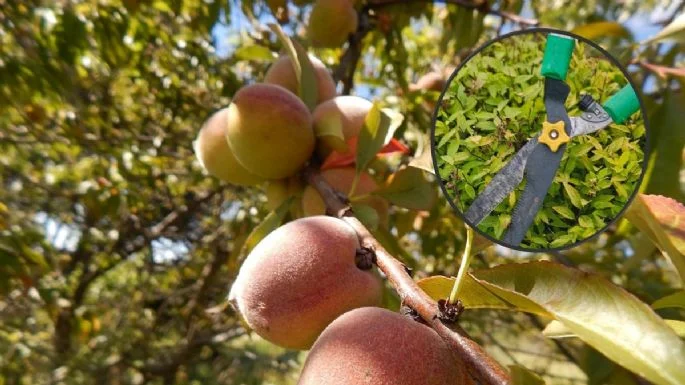
Preparing for Pruning: Tools and Safety
Before starting, ensure that you have all the necessary tools ready, including pruning shears, saws, machetes, knives, or any other equipment you may need. Make sure to clean and disinfect them properly before use to avoid transmitting diseases. Additionally, wear protective clothing, gloves, and safety glasses to ensure your safety while pruning.
What to Remove During Winter Pruning
The goal of pruning fruit trees is to remove any branches or growth that won’t contribute to the tree’s health or productivity in the upcoming season. Here’s what you should focus on:
- Suckers: These are branches that grow diagonally or upwards from the tree’s base or inside. They are called suckers because they drain nutrients that should be directed to the productive branches. Make sure to identify these before cutting, as they are the first candidates for removal.
- Vertical Branches: Vertical branches can often hinder the growth of the tree and create crowded conditions. These should also be removed to allow the tree to grow more evenly.
- Dry Branches and Leaves: Any dead or dried-out branches, along with fallen leaves, should be cleared away to reduce the risk of disease and pests.
- Low-Growing Branches: Branches that grow too low on the trunk should be removed. These can interfere with your tree’s overall shape and make it difficult for the tree to direct energy to higher, more productive branches.
How to Identify and Remove Suckers

Suckers are typically easy to spot as they grow from the interior of the tree or from the base. They tend to grow diagonally or upwards, competing for vital nutrients. These branches are not beneficial for fruit production, so it’s important to remove them. Be cautious not to remove branches that are necessary for the tree’s health and fruiting process.
Shaping Your Tree’s Crown
When pruning, you should also focus on shaping the tree’s crown. The objective is to maintain a balanced structure that will allow your tree to grow evenly, ensuring that the weight of the fruit does not cause any structural issues. Removing low and young branches allows the tree to focus its energy on the upper, productive branches where the fruit will develop.
By following these tips, you’ll ensure that your fruit trees remain healthy, productive, and well-shaped for the coming seasons. Happy pruning!